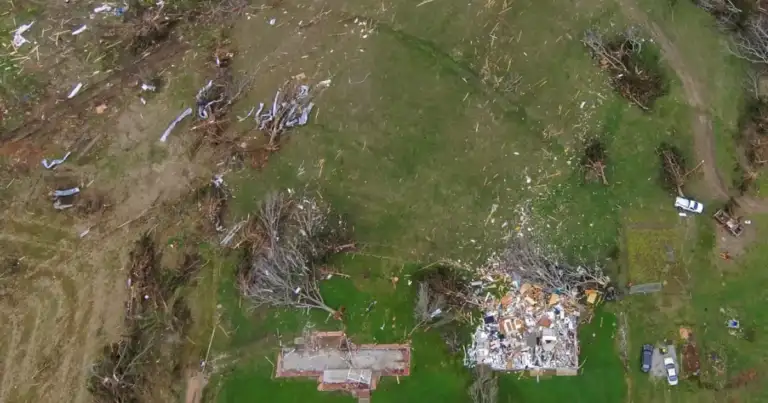

The familiar, dreadful roar returned to Mississippi just last week, tearing a ruthless path straight through the heart of Harmony Creek. This time, it wasn’t just homes or businesses; it was First Presbyterian Church, a bedrock institution, that bore nature’s unforgiving brunt.
With damages already exceeding $2 million, the images are gut-wrenching yet tragically familiar: twisted metal, splintered wood, and the gaping maw where stained-glass windows once stood. For Mississippians, it’s a scene etched into our collective memory, a brutal reminder of how quickly everything can be ripped away.

A church isn’t just bricks and mortar; it’s the very soul of a community, a sanctuary, a symbol of unwavering faith. When that symbol is shattered, the impact isn’t just structural; it’s a seismic blow to the spirit, a wrenching disruption to weekly rhythms, and a stark, undeniable visual of our shared vulnerability.
Picking Up the Pieces: Beyond the Sermon
The immediate aftermath is a predictable whirlwind: first responders, tireless volunteers, and local officials swarming the wreckage. The calls for donations, the heartfelt promises of support, the rallying cry of ‘Mississippi strong’ – they’re all inevitable, and yes, they’re necessary. But let’s be blunt: sentiment, no matter how genuine, doesn’t rebuild steeples.
The brutal truth is, the long, arduous road to recovery isn’t paved with good intentions; it’s paved with cold, hard cash and relentless, often thankless, effort.
Congregations, particularly in Mississippi’s smaller, often economically strained communities, face an almost insurmountable uphill battle. Insurance claims are a labyrinthine nightmare, frequently proving woefully insufficient. Fundraising isn’t just a marathon; it’s an ultra-marathon against public fatigue.
The initial shock and sympathy, as potent as they are, inevitably fade. The desperate need for sustained resources can linger for months, even years.
This isn’t merely about finding a temporary spot for Sunday service. It’s about painstakingly reconstructing a vital hub that provides everything from spiritual solace to critical community outreach and support.
The Cycle of Disaster and Recovery
Mississippi, tragically, knows this devastating drill better than any other state. We are perpetually in the crosshairs of severe weather, season after brutal season. Each time, the same heartbreaking narrative unfolds: swift devastation, a flurry of immediate aid, and then the long, often forgotten, grind of rebuilding.
While the national news cycle inevitably pivots to the next crisis, our local communities are left to painstakingly piece together lives, homes, and the very institutions that define them.
The real question isn’t just ‘how will they rebuild?’ but ‘how can they rebuild stronger, smarter, and with truly lasting support?’ Make no mistake, the next storm isn’t just looming; it’s a certainty.
For a church, the challenge is profoundly compounded by its immense symbolic weight. Crucially, its often meager financial reserves pale compared to a robust commercial enterprise. This isn’t about God’s will; it’s about insurance adjusters, construction bids, and the cold, hard reality of fundraising.
So, let’s cut through the platitudes. Don’t let heartfelt pleas and genuine community spirit blind you to the brutal truth: rebuilding a church after a tornado is a massive, multi-million-dollar financial undertaking.
While the mainstream narrative will laud unity and the ‘Mississippi strong’ spirit, the actual metric of recovery isn’t how many volunteers clear debris. It’s how many dollars are raised and, more importantly, sustained over the long haul.
The real struggle here isn’t solely spiritual; it’s profoundly logistical and relentlessly monetary. For countless smaller churches across our state, the ‘community’ that matters most in the aftermath is the one with the deepest pockets.
Ultimately, that’s what truly determines if they rise again, a beacon of renewed hope, or quietly, tragically, fade away. This isn’t about divine intervention; it’s about the cold calculus of insurance adjusters, construction bids, and the enduring generosity – or lack thereof – of those who can afford to give.
Source: Google News