
Tragedy at Marana Airport: A Call for Renewed Focus on Aviation Safety
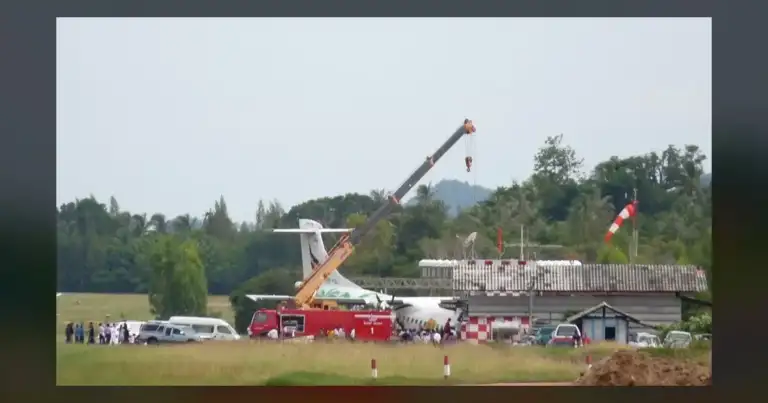
In the early hours of April 7, 2026, tragedy struck Marana Regional Airport when a small private airplane crashed, claiming the lives of two local residents. This devastating incident has sent ripples of sorrow and concern through the community and highlights pressing issues that deserve our attention—not only in Marana but across the broader aviation landscape in Arizona and beyond.
A Grim Reminder of Aviation Risks
The loss of two lives is a sobering reminder that, despite technological advancements and rigorous regulations, aviation—particularly general aviation—remains inherently risky. Marana Airport, a bustling facility handling approximately 60,000 operations annually, predominantly serves general aviation flights. While this sector is vital for business, travel, and recreation, it also bears a disproportionate share of accidents and fatalities compared to commercial aviation.
According to recent Federal Aviation Administration (FAA) data, Arizona witnesses 15 to 20 small aircraft accidents annually, with a fatality rate hovering between 10% and 15%. The small plane that tragically crashed at Marana is part of this larger statistical reality, underscoring the need for continuous vigilance and improvement.
Community Impact and Emotional Toll
The victims, confirmed as local residents whose names are withheld to respect the grieving families, represent the human face of this tragedy. Their families and loved ones are left grappling with profound loss and the daunting quest for answers. The community too mourns, shaken by the event and concerned about the safety protocols that govern operations at their local airport.
“We are deeply saddened by the loss and are committed to full cooperation with the National Transportation Safety Board (NTSB) and FAA as they investigate this incident,” Marana Regional Airport officials have stated. This dedication to transparency and safety reflects the serious responsibility that airport authorities bear towards their communities.
Eyewitnesses reported seeing the plane struggling shortly before impact, a harrowing image that will linger in the minds of those present. First responders, who acted swiftly, now face the emotional aftermath alongside the families and neighbors affected.
Questions of Safety and Oversight
The incident arrives amid increased scrutiny on Arizona’s general aviation sector, where aging aircraft and pilot training standards have raised concerns. Safety advocates emphasize that maintenance diligence and rigorous pilot education are non-negotiable pillars that must be strengthened and consistently enforced. The FAA’s ongoing review of the aircraft’s maintenance records and the NTSB’s investigation into the precise cause will hopefully bring clarity and guide future prevention.
Yet, beyond technical causes, this tragedy raises larger questions about regulatory oversight and emergency preparedness within smaller communities. How ready are local airports for emergencies? Are safety measures keeping pace with operational demands? And importantly, what support systems are in place for witnesses and first responders who endure such traumatic experiences?
A Call to Action
Every life lost in an aviation accident reverberates far beyond the crash site. The Marana community’s grief is shared by all who use or live near general aviation airports. We must treat this tragedy as a catalyst for meaningful change—strengthening safety protocols, enhancing pilot training, updating maintenance standards, and ensuring robust emergency response plans.
Moreover, mental health resources should not be overlooked. Witnesses, families, and emergency personnel require comprehensive support as they process the emotional aftermath of such events.
In honoring the memories of those lost at Marana Regional Airport, let us commit ourselves not only to mourning but to action—ensuring safer skies for all who depend on aviation, whether for livelihood, travel, or leisure.
Lucia Castillo
Photo: Photo by soma-samui.com on Openverse (flickr) (https://www.flickr.com/photos/75924977@N00/3787875093)
Source: Google News