
Colorado’s Wildfires: A Stark Reminder of Our Changing Climate and Urgent Need for Action
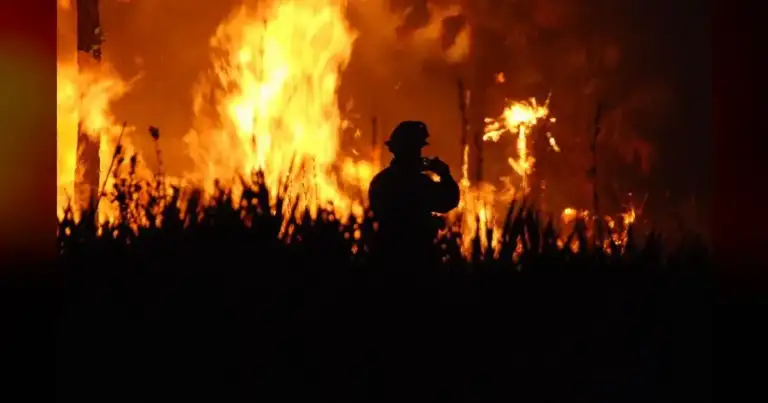
Over the past several days, Colorado has been gripped by a series of wildfires sweeping rapidly across multiple counties, forcing mandatory evacuations and raising red flag warnings that speak to a broader and deeply troubling trend. The “Pine Ridge Fire,” which erupted near Fort Collins on April 7, has already scorched approximately 4,500 acres, displacing more than 1,200 residents and placing enormous strain on emergency responders.
These fires are not isolated incidents. They are symptoms of a larger environmental and societal challenge—one that demands urgent attention, coordinated action, and a reexamination of how we prepare for and mitigate wildfire risks.
Dry Conditions and Rapid Spread: A Dangerous Combination
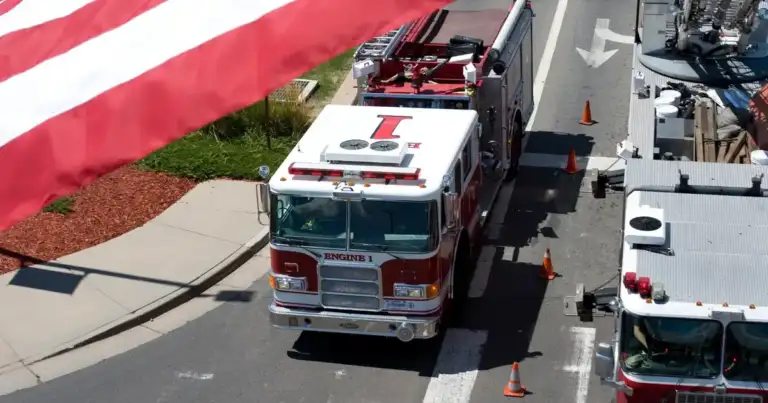
Colorado’s recent wildfires have been fueled by a dangerous cocktail of extremely dry vegetation, low humidity, and gusty winds. These critical fire weather conditions, declared through red flag warnings until at least April 10, have made containment difficult despite the valiant efforts of more than 300 firefighters battling the flames with air tankers and helicopters.
The rapid expansion of the Pine Ridge Fire and others across Larimer, Boulder, and Jefferson counties highlight how vulnerable the state is during these dry, windy spells. Several highways, including US-287 and CO-93, have been temporarily closed to protect the public from the advancing fires and the hazardous smoke that has led to poor air quality conditions in nearby urban areas like Denver and Boulder.
The Human Cost Beyond the Flames
Wildfire is not just an environmental issue—it is a human crisis. Over 1,500 displaced individuals find themselves in evacuation centers, grappling with the trauma of sudden displacement and the fear of losing homes and possessions. Local businesses suffering from reduced foot traffic and disrupted supply chains face economic hardship, compounding the community’s distress.
Meanwhile, firefighters and emergency responders are stretched thin, juggling multiple blazes with limited resources in a demanding and high-stakes environment. Their dedication is commendable, but the frequency and intensity of these fires underscore the urgent need for increased support and better preparedness.
A Climate Wake-Up Call
Colorado’s wildfire season, traditionally peaking in late summer, has begun earlier and lasted longer in recent years. This shift aligns with scientific warnings that climate change is intensifying heatwaves, drying out vegetation, and increasing wildfire risks across the western United States.
“The trend toward drier springs and hotter summers is making wildfire management increasingly difficult,” experts warn, urging stronger mitigation strategies and sustainable forest management.
Environmental advocates stress the importance of addressing climate change at its root, while some critics point to the need for reform in forest management practices to reduce “fuel loads” that enable fires to spread so rapidly.
Learning from the Past, Preparing for the Future
Colorado’s history includes devastating fires such as the 2020 Cameron Peak Fire, which burned over 208,000 acres and prompted significant investment in wildfire prevention and response. Yet, as the current situation shows, these investments must keep pace with evolving risks.
The recent evacuations have also highlighted past gaps in communication and infrastructure resilience, lessons that authorities are now applying to improve emergency response and public safety.
Why Should You Care?
Wildfires in Colorado are not just a regional issue—they hold personal and economic significance for every resident. Beyond the immediate danger to life and property, fires degrade air quality, affecting vulnerable populations such as children, the elderly, and those with respiratory conditions. Smoke pollution can travel, impacting health far beyond the burn area.
Property values, insurance premiums, and local economies all bear the burden of recurring wildfires. As insurance companies face increased claims, premiums may rise statewide, placing additional financial pressure on families and businesses.
A Call to Collective Action
The ongoing wildfires serve as a stark reminder that preparation, investment, and responsible environmental stewardship are more critical than ever. The state’s increased firefighting budgets—up 15% over the past two years—are a start, but they are not sufficient to counter the growing wildfire threats fueled largely by climate change.
Colorado’s residents, policymakers, environmentalists, and emergency responders must come together to enact policies that reduce risk and build resilience. Whether it is through stricter forest management, climate action, or community education, the time to act is now.
Wildfires are a warning flare on the horizon — dismissing them risks not only Colorado’s landscapes and homes but the health and safety of its people. We owe it to ourselves and future generations to heed this warning seriously and commit to meaningful change.
Photo: Photo by USFWS/Southeast on Openverse (flickr) (https://www.flickr.com/photos/41464593@N02/4971832860)
Source: Google News