
Forget the history books, Colorado. Whooping cough, once relegated to forgotten diseases, is back with a vengeance, tearing through our communities like never before.
The Colorado Department of Public Health and Environment (CDPHE) just dropped the numbers, and they’re not just a wake-up call – they’re a full-blown alarm. As of late May 2026, we’re grappling with a staggering 185 confirmed cases of pertussis statewide.
That’s a terrifying jump from a mere 35 cases in all of 2025 and a paltry 12 in 2024. Pandemic-era lows, once hailed as a silver lining, were nothing but a dangerous mirage.
Now, with masks off and life back to “normal,” old threats aren’t just re-emerging; they’re exploding. Dr. Eleanor Vance, CDPHE’s Chief Medical Officer, isn’t sugarcoating it:
“This serves as a critical reminder that diseases like whooping cough are still a threat, especially to our youngest and most vulnerable.”
The Denver Metro Hot Zone
This surge isn’t some random, scattered event; it’s hitting home, hard. Over 60% of these new infections are concentrated right in our backyard: Denver, Arapahoe, and Jefferson counties.
Smaller clusters are bubbling up in El Paso and Larimer, but the metro area is the undeniable epicenter. We’re seeing cases pop up in daycares and elementary schools – a direct assault on our most vulnerable.
It’s the unvaccinated and under-vaccinated infants and school-aged children bearing the brunt. This tragic outcome is entirely predictable when vigilance isn’t just waning, but actively abandoned.
Parents are, understandably, on edge, their anxiety a raw nerve. Questions about vaccine efficacy are circulating, fueled by misinformation and fear.
Healthcare providers are scrambling, urging prompt testing and treatment. They’re hammering home the non-negotiable importance of Tdap vaccination for pregnant women – the only real shield for newborns too young to be fully immunized.
This isn’t just a statistical blip on a chart; it’s a terrifying, real-world crisis unfolding in our homes, our schools, and our hospitals.
The Cost of Forgetting
Colorado’s statewide Tdap vaccination rate for adolescents hovers around 87%. This figure, while seemingly decent, still sits slightly below the national average – and that’s a problem.
Childhood DTaP rates for kindergarteners are better at 93%, but don’t be fooled. Those numbers mask dangerous, irresponsible pockets of lower vaccination in specific communities, creating easy targets for this disease.
Immunity from vaccines isn’t a lifetime guarantee. Coupled with the explosion of social mixing post-COVID, we haven’t just created fertile ground for pertussis to flourish – we’ve practically rolled out the red carpet.
Let’s be brutally honest: this isn’t some inexplicable mystery or “unfortunate resurgence.” This is a direct, damning consequence of collective societal complacency and the real-world impact of vaccine hesitancy.
We patted ourselves on the back for beating back COVID, but in doing so, we let our guard down on older, equally dangerous foes.
Yes, “waning immunity” and “increased social mixing” are factors, and the mainstream narrative will lean on them. But the hard truth is that a segment of our population actively chose to opt out of essential protections, or simply forgot about them.
They bet on herd immunity to cover their bases. That bet is now coming due, and the price is being paid by the most vulnerable among us: infants who can’t choose for themselves.
We’ve been here before, Colorado. A significant outbreak in 2012 saw over 1,000 cases.
This current rise, while not yet at those catastrophic levels, follows a disturbing, predictable pattern of post-lull resurgence. The question isn’t if it will get worse, but how much worse we’re willing to let it become.
This isn’t just a public health issue; it’s a stark reminder that individual choices have profound community consequences. The system is left to manage the fallout.
So, what’s it going to be, Colorado? Will we continue to gamble with the health of our children, or will we finally remember the lessons of the past and act decisively? The choice, and the consequences, are ours.
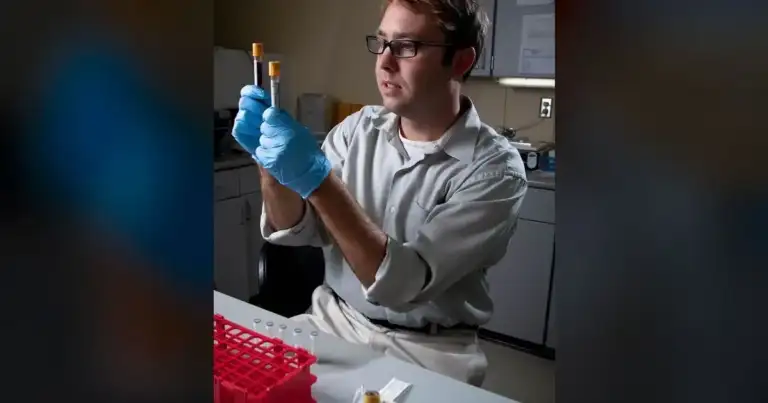
Photo: Loren Rodgers
Source: Google News