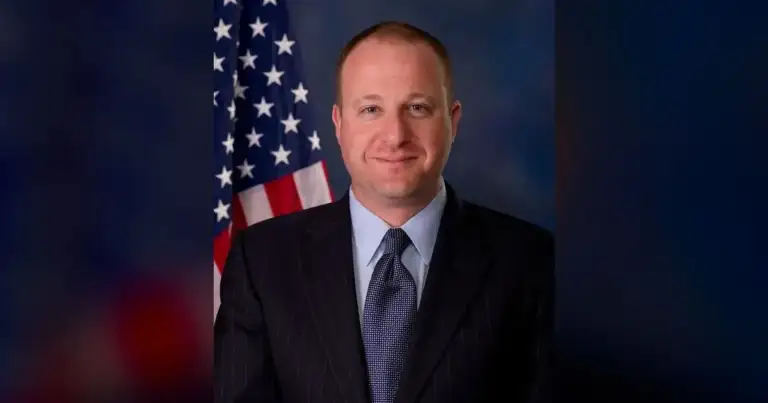

Forget the polite press releases. When Governor Polis issues another “emergency declaration” for drought, don’t mistake it for a new crisis.
Here in Colorado, we’re not facing a sudden catastrophe. We’re enduring a slow-motion strangulation, a relentless water deficit that has been tightening its grip for years. The state’s latest move isn’t a fresh panic button; it’s just another grim reminder that we’re still deep in the same weary fight.

The Perpetual Dry Spell: A Chronicle of Scarcity
This isn’t a headline-grabbing event from the last 48 hours. It’s a persistent, relentless squeeze on our vital water supplies.
Governor Polis has extended these declarations dozens of times since 2021. Our snowpack, the lifeblood of the Colorado and Arkansas basins, remains stubbornly below average—often hovering around 70-80% of median in critical areas.
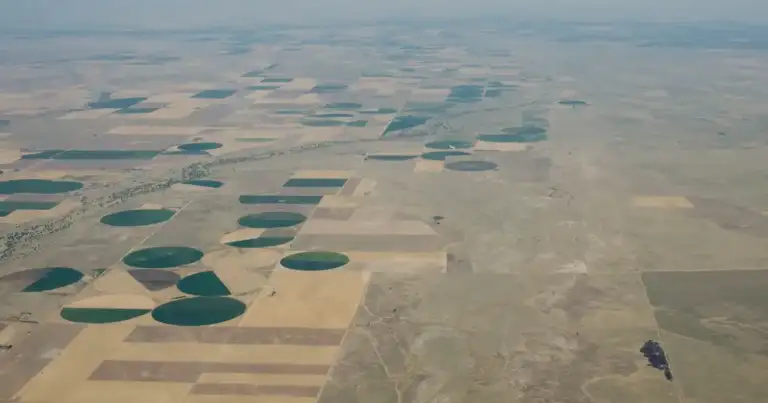
That means less runoff and dangerously low reservoir levels at places like Blue Mesa and Lake Pueblo. This escalating stress impacts everyone from the Eastern Plains’ struggling farmers to the thirsty lawns of the Front Range.
Let’s be blunt: Polis isn’t “declaring” a new emergency because conditions suddenly worsened dramatically this week. He’s maintaining an existing state of emergency because the problem hasn’t vanished.
This isn’t a moment of fresh crisis; it’s a continuous political and financial maneuver to manage a chronic environmental deficit.
The real motive isn’t a sudden awakening to dry conditions. It’s the practical necessity of keeping the state’s hands on the levers of power for water management, allowing continued resource allocation and justifying ongoing conservation programs without legislative hoops. This is about maintaining control over a long-term, expensive problem, not solving it with a single pronouncement.
What this “emergency” status really does is strip away bureaucratic red tape, keeping the state’s existing toolkit active.
It’s not about new, sweeping mandates suddenly dropped on your doorstep. Instead, it gives state agencies the muscle to continue monitoring, enforcing conservation strategies, and mobilizing resources already in play.
This isn’t a flashing red light. It’s the doctor admitting the patient is still gravely ill, perpetually managing symptoms because the underlying disease shows no signs of remission.
Beyond the Declarations: The Hard Truth on the Ground
While politicians issue their proclamations, the actual impact hits home every single day.
Ranchers face agonizing decisions about culling herds. Farmers stare down devastating cuts to water allocations, sometimes as high as 30% or more in key agricultural districts.
Even city dwellers are being pushed to consider xeriscaping and stricter water habits, not because of a sudden edict, but because the writing has been scrawled on the wall for decades.
Our state’s population growth continues unabated, a relentless tide of new residents, while the very lifeblood of our economy—water—steadily dwindles. How long can we truly sustain this?
The conversations behind closed doors aren’t about if the drought is bad; they’re about how long Colorado can possibly sustain this precarious balancing act. They’re about the escalating, multi-billion-dollar costs of water infrastructure, the endless legal battles over interstate compacts, and the uncomfortable, undeniable truth that there’s simply not enough to go around for everyone’s soaring expectations. We are living on borrowed time, and the bill is coming due.
This isn’t just about “conservation” anymore; it’s about survival.
It’s about fundamental shifts in how we live, grow, and plan for a future where water isn’t a given, but a precious, dwindling commodity.
What will it take for us to truly wake up? A dry tap? A barren field? Or will we finally confront the hard truth that our future depends on a radical re-evaluation of our most vital resource, before it’s too late?
Source: Google News