
Michigan Man Arrested in Wife’s Mysterious Disappearance During Bahamas Boat Trip: Who’s Really Protecting Our Own?
When Lynette Hooker vanished during a Bahamas boat trip, the clock started ticking—not just on a desperate search, but on Michigan’s glaring failure to protect its own citizens abroad. This isn’t just another tragic headline to scroll past; it’s a wake-up call about how vulnerable Michiganders are once they leave home soil.
The Arrest That Raises More Questions Than Answers
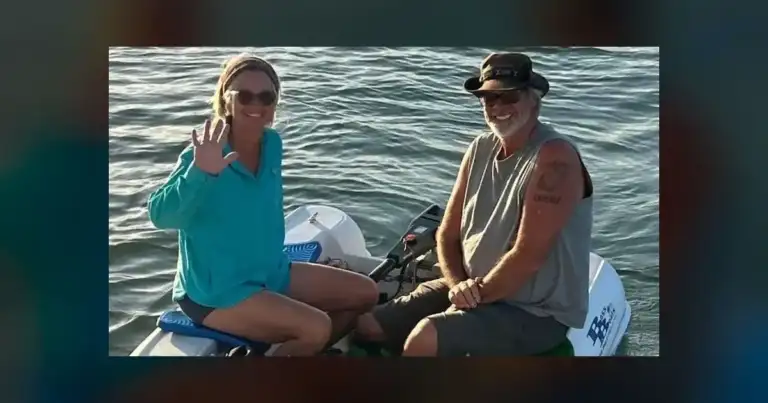
Brian Hooker, a Michigan man, was arrested by Bahamian authorities just days ago in connection with the disappearance of his wife, Lynette. According to official reports, the couple’s main boat engine failed after Lynette accidentally dropped the ignition key overboard. She then took a dinghy out to retrieve it and was swept away by strong currents. Brian allegedly paddled back alone and waited a staggering eight hours before reporting her missing.

Eight hours. Alone. In the dark. On an 8-foot dinghy. In rough seas and high winds. Does that timeline add up? It doesn’t, and the public isn’t buying it.
The Public Outcry: Suspicion and Skepticism
Online forums from Reddit’s true crime boards to X threads are alive with skepticism. Why the delay in calling for help? Why move from Michigan to the Bahamas chasing a “sailing dream” only to have this suspicious “accident”? And most damningly, why did Brian wait until 4 a.m. to alert authorities?
Lynette’s daughter has come forward alleging a history of domestic abuse, casting a dark shadow over the official narrative. Yet, many local and national media outlets have largely echoed the Bahamian police’s version without digging deeper. The U.S. State Department has long warned about boating dangers in the Bahamas—but where is the real protection for Michigan citizens when tragedy strikes in foreign waters?
Michigan’s Response: Support or Smoke and Mirrors?
Michigan State Police claim they’re working closely with Bahamian officials and the U.S. consulate. But cooperation sounds hollow when the bigger systemic issues remain ignored. Over one million Michiganders travel internationally each year, many to high-risk Caribbean destinations. Despite a 20% spike in consular assistance requests, Michigan still lacks a comprehensive strategy for traveler safety abroad.
Why hasn’t Michigan mandated traveler education, trip registration, or real-time emergency support? The Hooker case exposes a brutal truth: Michigan’s traveler protections are reactive at best, dangerously absent at worst.
Who’s Really Accountable?
- Brian Hooker: Arrested and maintaining innocence, but public doubt and family accusations cloud his story.
- Lynette Hooker: Missing, presumed lost to the sea, with haunting questions left unanswered.
- Michigan Officials: Appear more focused on damage control than proactive citizen safety.
- Media Outlets: Too cautious, often parroting official lines instead of demanding transparency.
This isn’t just a missing person case—it’s a glaring indictment of a system that abandons Michiganders when they need protection most. Why did it take eight hours to report a disappearance? Who is holding authorities accountable for traveler safety policies? And when will Michigan stop treating these tragedies as isolated incidents?
Time for Michigan to Step Up or Step Aside
Families deserve more than sympathy—they deserve action. Communities demand answers, and travelers deserve real protection. The Hooker case should ignite a statewide overhaul of how Michigan supports its citizens abroad. Without urgent reform, the next Michigan family could face the same nightmare in silence and darkness.
Why wait for another tragedy? Michigan must act now—before it’s too late.
“We are working closely with Bahamian law enforcement and the U.S. consulate to ensure a thorough investigation. Our priority is the safe return of the missing woman and support for her family.” — Michigan State Police Spokesperson
Words alone won’t save lives. Michigan officials, stop playing catch-up. Start protecting your people before the next crisis hits home.
Source: Google News