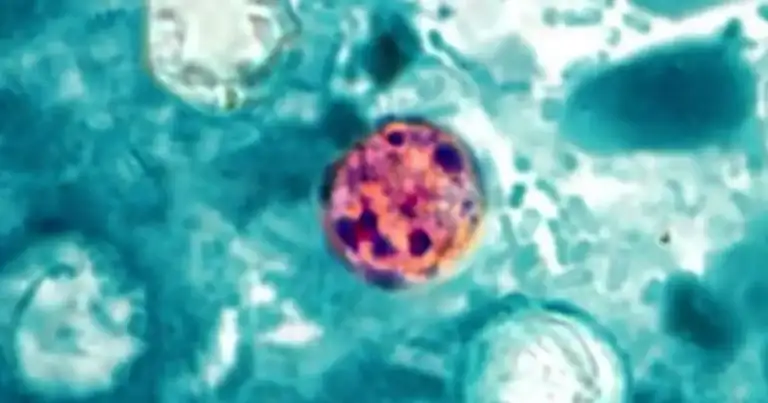

Forget the summer heat; a far more gut-wrenching problem is sickening over 100 people across Southeast Michigan and Northwest Ohio. Cyclosporiasis, a parasitic infection, has exploded, with 57 new cases hitting Michigan’s Oakland, Macomb, and Wayne counties in just 72 hours. Call it what you want, but this isn’t a “surge” – it’s a public health failure, plain and simple.
Health officials are scrambling, yes, but their message is as tired as the victims are. The Michigan Department of Health and Human Services (MDHHS) and the Ohio Department of Health (ODH) assure us they’re “investigating every lead.”
Meanwhile, families are getting hammered with severe diarrhea, nausea, and crushing fatigue – a living nightmare. And here’s the kicker: these outbreaks aren’t some rare fluke; these parasitic invasions are “not uncommon,” according to the very same officials charged with protecting us. What does that tell you about their “protection”?
Blaming the Consumer, Protecting the Chain
The official line? The same old song and dance: “Wash your produce thoroughly.” Dr. Natasha Bagdasarian, MDHHS Chief Medical Executive, delivered the predictable advice:
“We urge residents to be vigilant, wash produce thoroughly, and seek medical attention if they develop symptoms.”
Dr. Bruce Vanderhoff, ODH Director, dutifully chimed in with more of the same:
“We remind everyone that proper food handling, especially with fresh produce, is crucial in preventing parasitic infections like Cyclosporiasis.”
Are they serious? This is insulting.
Cyclospora parasites laugh at chlorine. They aren’t routinely tested for in our food supply.
So, after a contaminated salad mix, potentially grown thousands of miles away, hits your grocery shelf, the burden falls squarely on you, the consumer, to miraculously scrub away something disinfectants can’t kill. It’s not just a joke; it’s a dereliction of duty.
The preliminary culprit? “Pre-packaged salads or fresh herbs.” This isn’t rocket science; it means the contamination likely happened far up the supply chain, potentially thousands of miles away, long before it reached your local grocery cart.
Yet, the official solution always points back to your kitchen sink. What about the source? What about real accountability?
The Real Price of Neglect
While the food industry, including restaurants and grocery stores, claims to “cooperate,” their primary concern is clear: “potential scrutiny and economic impact.” That’s a sanitized way of saying they’re terrified of hitting their bottom line.
But let’s talk about the actual human cost. We’re talking weeks, often months, of debilitating illness. We’re talking millions in healthcare bills. Lost wages, lost productivity, unimaginable suffering.
Who pays for that? Not the multi-billion-dollar corporations whose lax standards or poor sourcing allowed contaminated food to reach our tables. No, you do. Every single time.
This isn’t just about some unlucky roll of the dice. This is about a broken system, one that consistently prioritizes cheap food and complex, often untraceable, global supply lines over the fundamental right to public safety.
When these outbreaks inevitably happen, the public health response is always reactive, never preventative. They tell you to be “vigilant” – essentially, to fend for yourself – instead of demanding real, tangible accountability from the growers and distributors who repeatedly let contaminated food flood our markets.
This Cyclosporiasis outbreak is more than just a public health nuisance; it’s a stark, sickening reminder that when the food supply chain fails, the public pays the price – in pain, in lost income, in medical bills.
Health officials offer platitudes about washing produce, essentially telling you to scrub away systemic problems with your dish soap. This isn’t just passive advice; it’s a deliberate shift of accountability from the multi-billion-dollar food industry and its often-opaque sourcing practices directly onto the consumer.
The supposed “shared interest” in identifying the source is less about preventing future illness and more about restoring “consumer confidence” to protect corporate profits. Until we demand more than just “vigilance” from our public health guardians – until we demand actual, proactive testing, rigorous standards, and complete transparency from food suppliers – these “uncommon” outbreaks will keep showing up on our plates, year after year.
Don’t wait for another warning to start demanding better. This isn’t a call for caution; it’s a call for consequences. It’s time to make them pay, not us.
Source: Google News