
Mississippi’s Winter Storm Tragedy: A Stark Reminder of Vulnerability and Urgent Need for Resilience
Over the past several days, Mississippi has been gripped by an unforgiving winter storm that has once again exposed the state’s vulnerabilities to extreme weather events. The recent news of five additional winter weather-related deaths and the persistence of approximately 61,000 unresolved power outages paints a somber picture of the challenges faced by residents, utility companies, and emergency services alike. These facts, though stark, should galvanize a deeper conversation about preparedness, infrastructure resilience, and community support in the face of increasingly volatile weather patterns.
The Human Toll Behind the Numbers
The loss of five lives is more than just a statistic—it is a heartbreaking reminder of the storm’s severe impact on families and communities. These fatalities have been attributed largely to traffic accidents on icy roads and hypothermia resulting from prolonged exposure to cold temperatures, exacerbated by power outages that leave homes without heating. Vulnerable populations, including the elderly, children, and individuals with pre-existing health conditions, have been disproportionately affected. For these groups, even a few hours without power can translate into life-threatening conditions.
For many Mississippians, this storm is not just about inconvenience but survival. Stories are emerging of residents braving freezing temperatures in unheated homes, rationing scarce supplies, and relying on community shelters. The reality is stark: when essential services falter, the most vulnerable bear the brunt of the consequences.
Utility Companies and the Herculean Restoration Efforts
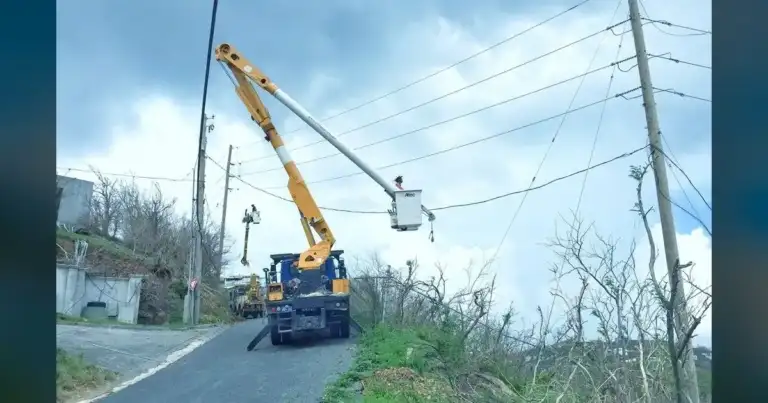
Utility companies, such as Entergy Mississippi, have been working tirelessly to restore power, deploying over 500 repair crews statewide despite hazardous conditions. These crews face dangerous icy roads and freezing temperatures that slow progress and heighten safety risks. The reduction from a peak of over 120,000 outages to around 61,000 is a testament to their efforts, but significant challenges remain.
However, calls for faster restoration must be balanced against the realities of safety and the physical limitations posed by the storm. Repair crews must navigate downed power lines and damaged infrastructure, all while ensuring their own well-being in treacherous conditions. The pressure on these workers, combined with the urgent needs of customers, creates a complex dynamic that utility companies must manage carefully.
Emergency Services and Government Response
Local government officials and emergency services have been active in their response, issuing travel advisories and encouraging residents to remain indoors unless absolutely necessary. Shelters have been opened to provide refuge for those without power or adequate heating. Yet, in rural and isolated areas, as well as among homeless populations, access to such support remains inadequate.
Mississippi’s emergency management agencies must now evaluate whether current systems are sufficient to protect all citizens during such severe weather events. The challenges of reaching remote communities and providing sustained assistance highlight gaps in preparedness that must be addressed moving forward.
Infrastructure Gaps and the Need for Future Resilience
Historically, Mississippi has been ill-prepared for winter storms of this magnitude. While the state experienced a similar crisis during the 2014 ice storm, the persistence of significant outages and fatalities today suggests that lessons have yet to be fully learned or implemented. The storm has exposed enduring weaknesses in power infrastructure, emergency response coordination, and public safety messaging.
The urgency of upgrading grid resilience and emergency protocols cannot be overstated. As climate change increases the frequency and severity of extreme weather events, states like Mississippi must invest in modernizing power systems to withstand such stresses. This includes hardening electrical grids, expanding community warming centers, and ensuring equitable access to emergency services across all demographics.
A Call to Action
Mississippi’s recent winter weather crisis is not merely an isolated incident but a warning signal. As the state recovers and mourns, decision-makers at every level must prioritize comprehensive strategies that protect lives and maintain critical services during extreme weather.
“The human toll and infrastructural damage underline a pressing need to rethink how Mississippi prepares for and responds to winter storms—because the cost of inaction is measured in lost lives and shattered communities.”
For the residents currently without power, the struggle continues. For policymakers and utilities, the imperative is clear: build back smarter, faster, and fairer. Mississippi deserves no less.
Photo: Photo by Western Area Power Admin on Openverse (flickr) (https://www.flickr.com/photos/86561000@N05/36783066713)
Source: Google News