
Oklahoma’s Wake-Up Call: Four Tornadoes Mark the Start of Severe Weather Season
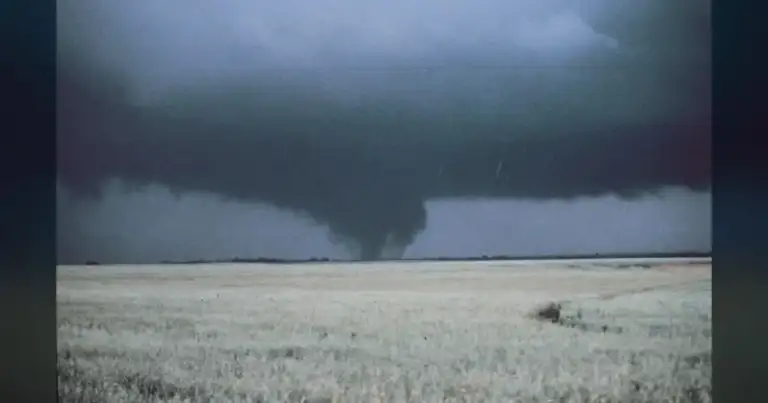
Four tornadoes ripped through Oklahoma on the evening of April 4th and into the early morning of April 5th, 2026, confirming what every Oklahoman already knew in their gut: severe weather season isn’t just knocking, it’s kicked the door wide open. While, thankfully, no significant injuries or fatalities were reported, this cluster of storms is a stark, swirling reminder that our annual dance with Mother Nature has begun.
A Familiar Pattern, A Crucial Reminder
The confirmed tornadoes include an EF-1 near Minco (Grady County) and another EF-1 near Prague (Lincoln County), both causing damage to outbuildings, trees, and minor structural impacts. Two EF-0 tornadoes were also confirmed, one near Blanchard (McClain County) and another near Stroud (Lincoln County), primarily resulting in tree damage and minor property impacts.
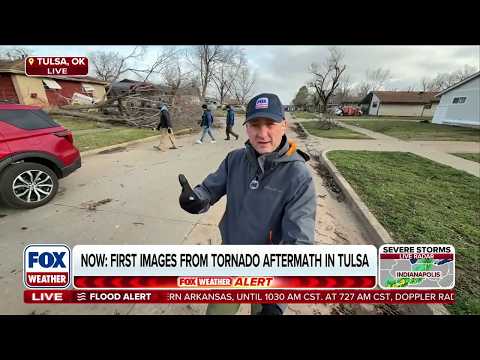
Power outages, while widespread initially, have largely been restored, allowing communities to begin the assessment of damages. For us Oklahomans, this isn’t some freak occurrence; it’s the predictable, albeit terrifying, overture to spring.
Our state, smack dab in the heart of “Tornado Alley,” averages around 57 tornadoes annually, with April and May historically being the peak months. This consistent threat has undeniably forged a culture of preparedness, but it also risks breeding a dangerous complacency.
As Rick Smith, Warning Coordination Meteorologist at the NWS Norman office, emphasized in an April 5th press briefing, “Spring is here, and so is our severe weather season. Don’t let your guard down.” Are we really listening, or are we just shrugging it off as “another Tuesday”?
Beyond the Damage: The Unseen Toll
While the immediate focus is always on property damage and the scramble for physical recovery, the psychological and emotional toll on residents, especially those who have weathered countless storms, is profound. Each wailing siren, each blaring warning, doesn’t just signal danger; it reopens old wounds and ratchets up anxiety.
Small, rural communities, in particular, often bear a disproportionate burden. They’re often left with fewer resources to manage the long, arduous recovery efforts and support their affected citizens. It’s a quiet crisis unfolding in the wake of every storm.
The financial impact, even from seemingly minor EF-0 and EF-1 tornadoes, quickly adds up. These events, while not generating the headline-grabbing billion-dollar losses of an EF-5, still rack up tens to hundreds of thousands of dollars in repairs per incident.
This consistent drain impacts insurance rates, property values, and the overall economic stability of our towns. It’s a perpetual cycle that demands not just immediate response, but a long-term strategic resilience that our state often seems to be playing catch-up on.
Preparedness is Paramount
This early-season activity isn’t just news; it’s a blaring alarm. It underscores the critical, non-negotiable importance of preparedness. Every single Oklahoman must have a well-rehearsed tornado safety plan.
This isn’t optional; it’s survival. That includes multiple methods to receive warnings—not just relying on the distant wail of a siren, but investing in a weather radio, signing up for phone alerts, and having a designated safe space.
Whether that’s a storm shelter, a reinforced safe room, or simply an interior room away from windows, know your spot and get there fast. While we are all collectively breathing a sigh of relief that these recent tornadoes caused no major casualties, they are a clear and present “wake-up call.”
Stronger, more destructive storms aren’t a possibility; they are an inevitable part of our Oklahoma spring. The time for complacency is over. Now is the time to ensure you are ready, because the next one could be right over your head.
Photo: Photo by pingnews.com on Openverse (flickr) (https://www.flickr.com/photos/39735679@N00/426174337)
Source: Google News