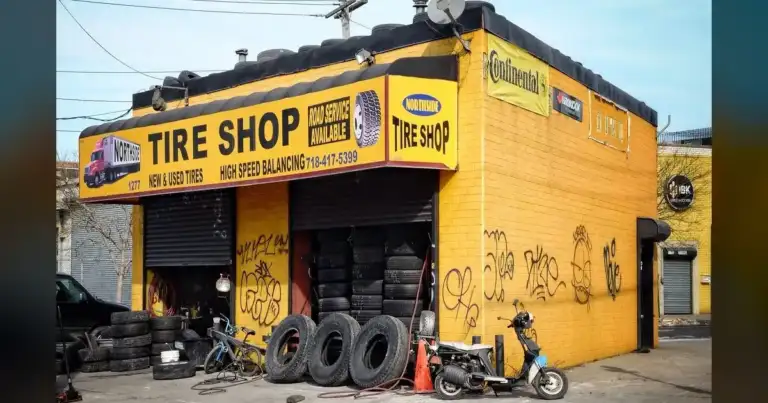

Columbus City Attorney Zach Klein just dropped the hammer. On March 29, 2026, Klein’s office didn’t just cite a southeast Columbus tire shop; they ordered its immediate, emergency shutdown. The official line? “Dangerous” conditions – unsafe storage, electrical hazards, structural integrity issues. Sounds dire, doesn’t it? But let’s cut through the bureaucratic jargon: this isn’t just about public safety. This is about raw power, political optics, and who gets steamrolled when the city decides it’s time to “clean house.”
Klein’s office declared an “immediate and demonstrable danger,” a claim swiftly echoed by the Columbus Division of Fire. The shop is now padlocked, plastered with official notices. But what about the human cost? What about the employees who woke up to find their livelihoods snatched away? This isn’t just a building; it’s a community fixture, a source of income, and for many, a lifeline.

The “Dangerous” Justification: Convenient Timing or Calculated Move?
The city’s exhaustive list of violations reads like a pre-emptive strike: structural issues, fire hazards, unsanitary conditions, electrical code violations, lack of permits. Every box checked, every “i” dotted. But let’s get real: how long have these alleged dangers truly existed? Did they spontaneously materialize on March 29th, or has the city been biding its time, waiting for the opportune moment to act?
Klein’s office certainly benefits from appearing tough on urban blight and crime. It’s a clear win for “urban revitalization” narratives. It’s a nod to residents who “complained.” But this isn’t a victimless victory. This shutdown leaves a local business owner scrambling and workers jobless. Is this genuinely about preventing an impending disaster, or is it about making a stark example out of a small business?
The financial burden of code violations can easily climb into the tens of thousands. For most small businesses, especially those operating on razor-thin margins, such costs are simply insurmountable. Columbus issued over 1,500 commercial property citations in 2025 alone. How many of those resulted in an emergency shutdown order? This tire shop, it seems, became a political pawn in a much larger game.
The Unasked Questions: Who Profits, Who Pays the Price?
The official narrative is deceptively simple: the city protects its citizens. But anyone who’s lived in Columbus knows the real story is always far more intricate. What specific complaints truly triggered this investigation? How many warnings, if any, did the shop owner actually receive? Was any genuine city assistance offered to help them come into compliance before the axe fell?
The city preaches safety, yet often offers precious little in the way of tangible support for businesses to actually achieve that safety. Small, independent shops in underserved areas are frequently running on fumes, lacking the deep pockets for corporate lawyers or the political leverage of city council connections. They just have bills, employees, and a dream.
This shutdown reverberates far beyond the owner’s ledger. It impacts customers who relied on affordable, accessible service. It tears a hole in the neighborhood’s economic fabric. Is the city genuinely prepared to fill that void, or are they content with simply creating one?
A Tale of Two Columbuses: Gentrification by Bureaucracy
Here’s the stark truth: this isn’t just about one tire shop. This is about selective enforcement. It’s about how code violations in affluent, developing areas might get a polite nudge or a lenient timeline, while those in lower-income neighborhoods face immediate, unforgiving closure. This is gentrification by bureaucratic decree, pure and simple.
Why this shop, and why now? Are we to believe there are no other businesses in Columbus with “structural integrity concerns” or “fire hazards”? Of course there are. But they aren’t in the crosshairs. This shutdown sends an unmistakable message: comply or be crushed. And if you’re a small business in a neighborhood slated for “revitalization,” your window for compliance just got a whole lot shorter.
“Our priority is always the safety of our residents and the integrity of our neighborhoods,” Zach Klein declared, according to reporting from local news outlets.
But priority for whom? The residents who suddenly find themselves jobless? The business owner who loses everything they’ve built? Or the city officials who get to tout their “decisive action” in press releases? This isn’t public safety; it’s a carefully crafted public relations stunt. The hardworking people of Columbus deserve better than politically motivated closures masked as community protection. This tire shop is just the latest casualty in Columbus’s relentless march towards a sanitized, corporate future, and we should all be asking: who’s next?
Photo: Photo by Dirk De B! on Openverse (flickr) (https://www.flickr.com/photos/40965914@N00/12259390353)
Source: Google News