
Florida’s restaurants are at it again, serving up a steaming pile of deception. It seems the Sunshine State’s eateries can’t resist the temptation to pass off cheap, imported shrimp as the genuine, local article. WFTV may have broken the story, but this isn’t news to anyone who’s lived here for more than a minute. This isn’t a “scandal”; it’s standard operating procedure in Florida’s tourist traps, a brazen rip-off that leaves diners fleeced and our hardworking local shrimpers out in the cold. And the Florida Department of Agriculture and Consumer Services (FDACS)? They’re just playing along, pretending to care while the grift continues.
FDACS recently “slapped” five more restaurants with citations, bringing their grand total to over 20 establishments caught in the act. But here’s the kicker: they won’t tell us who these offenders are. Why the secrecy? Because these “citations” are nothing more than a pat on the wrist. Fines range from “a few hundred to several thousand dollars.” That’s pocket change for restaurants that are charging premium prices for what amounts to pond scum from halfway across the globe.

The Shell Game: Who Profits, Who Pays?
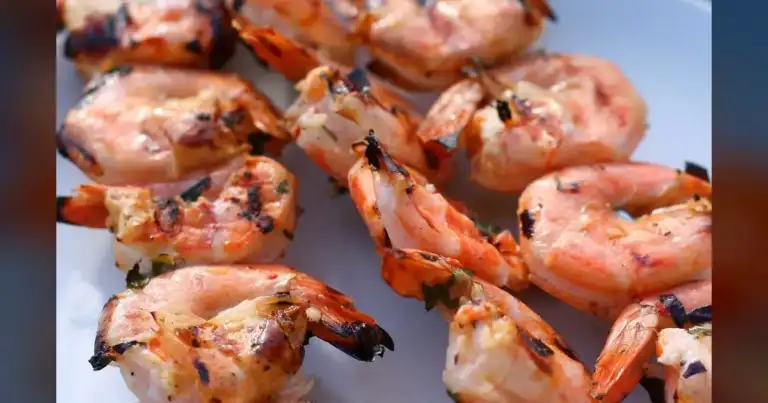
This isn’t an accident, folks. This is a deliberate, calculated move. Restaurants knowingly buy imported shrimp for a staggering 30-50% less than local product. Then, with a straight face, they slap “Florida Shrimp” on the menu and pocket the difference. It’s a classic bait-and-switch, pure and simple. Maria Rodriguez, a Tampa resident, perfectly encapsulated the public’s frustration:
“I ordered ‘Gulf shrimp’ specifically because I wanted to support local. To find out it was probably from halfway across the world makes me feel completely ripped off.”Her outrage is shared by countless others who believed they were supporting our local economy and getting a quality product.
The Florida Restaurant and Lodging Association (FRLA) even chimed in, issuing a statement that was as transparent as murky pond water. Carol Johnson, FRLA President & CEO, “urged” members to “review their sourcing.” Then, predictably, she started whining about “fluctuating local seafood availability.” Translation? It’s cheaper to lie, and the FRLA is more interested in protecting its members’ bottom lines than in protecting consumers or the integrity of Florida’s seafood industry. They are, effectively, protecting the grift.
Meanwhile, Florida’s shrimpers are being driven to the brink. Captain Joe Smith, President of the Florida Gulf Coast Shrimpers Association, didn’t mince words:
“This isn’t just about shrimp; it’s about integrity. Our shrimpers work incredibly hard, facing unpredictable weather and rising costs, to bring fresh, local seafood to tables. To have it undercut by cheap imports masquerading as local is a slap in the face. It’s destroying our livelihoods.”Their dedication and hard work are being sacrificed on the altar of restaurant profits, and it’s a disgrace.
Legislative Lip Service and Public Cynicism
Now, State Representative Anna Eskamani (D-Orlando) is calling for “legislative measures.” While her intentions might be good, this feels like political theater. Seafood mislabeling is not a new problem; it’s an ancient one. Studies by Oceana have repeatedly exposed the rampant fraud, and Florida has seen “sporadic reports” of this exact issue for years. The consequences? A few paltry fines, some “reputational damage” that quickly fades, and absolutely zero systemic change. Why should we expect anything different this time?
The public, frankly, sees right through this charade. Social media platforms like Reddit and X are ablaze with users torching Florida’s seafood scene. “57% bait-and-switch? That’s not a scandal, that’s Tuesday in Jax,” one user posted, perfectly capturing the weary resignation many Floridians feel. Another, clearly cynical, called the Southern Shrimp Alliance’s efforts “shrimper welfare propaganda,” suggesting that “elite lobbyists” are funding DNA tests simply to “guilt-trip menus.” This isn’t just skepticism; it’s a deep-seated belief that the system is rigged, and consumer protection is an afterthought.
Why such profound cynicism? Because nothing ever truly changes. Restaurants get caught, pay a pittance that barely registers as a business expense, and then, inevitably, continue the fraud. Texas and Alabama are actually passing real, impactful labeling laws to protect their consumers and industries. Florida? We get empty promises, toothless enforcement, and the same old song and dance.
The Real Cost of Fake Shrimp
This isn’t just about the disappointment of getting ripped off at dinner. This is about gutting Florida’s economy. The commercial fishing industry, including shrimping, is a vital economic engine, worth hundreds of millions of dollars and supporting thousands of jobs across our state. When you order “Florida shrimp” that’s actually from overseas, you’re not supporting Florida families; you’re funding corporate greed and undermining our local producers.
Beyond the economic impact, there’s the critical issue of food quality and safety. Imported shrimp often comes from countries with notoriously lax regulations. Antibiotics, questionable farming practices, and unsanitary conditions are not just abstract concerns; they are very real risks that can impact your health. But who cares about public health or ethical sourcing, as long as the restaurant makes a quick buck?
FDACS spokesperson Sarah Jenkins claimed the department is “committed to ensuring fair trade practices.” But where is this commitment? Where are the names of the offending establishments? Where are the significant, deterrent penalties? This entire situation is a colossal joke at the expense of Floridians and our legitimate businesses.
Florida deserves better. Our shrimpers, who brave the elements to bring us fresh, delicious seafood, deserve better. Consumers deserve honesty and transparency. Until FDACS grows a spine and our legislators pass meaningful, enforceable laws, expect more fake shrimp on your plate and more broken promises from those who are supposed to protect us. This “scandal” will simply be another Tuesday in the Sunshine State, and that’s a bitter pill to swallow.
Photo: Photo by mccun934 on Openverse (flickr) (https://www.flickr.com/photos/51035597937@N01/2604494983)
Source: Google News