

Kotek’s Drought Declaration: Too Little, Too Late, or Just Political Theater?
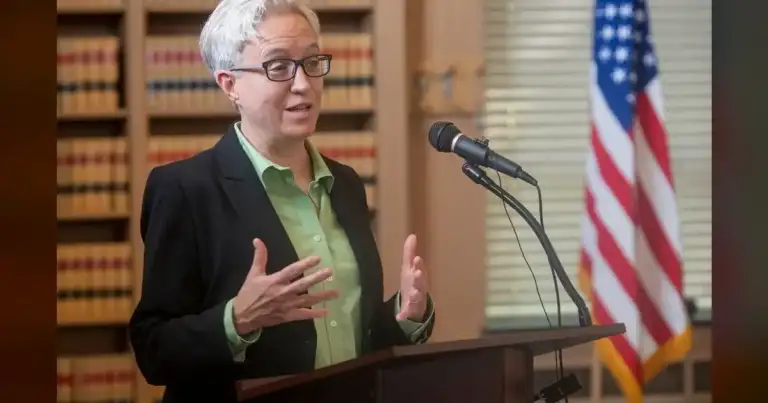
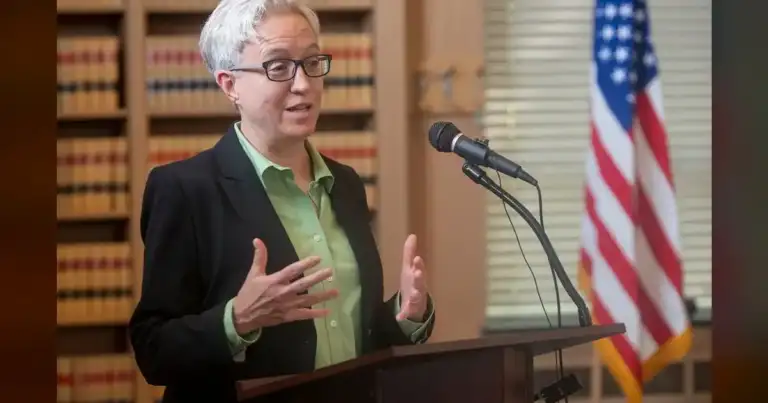
Governor Tina Kotek finally pulled the trigger on a drought emergency declaration, but this isn’t foresight. This is a knee-jerk reaction to the inevitable. Covering Deschutes, Klamath, and Lake counties until March 31, 2026, it’s a grim acknowledgment that snowpack levels are pathetic, reservoir levels are plummeting, and farmers face financial ruin. The question isn’t if this was coming, but why now? The numbers, stark and undeniable, left her no choice. Kotek’s office is quick to trumpet “critical resources” and “managing immediate impacts,” but Oregonians have seen this song and dance before.The Real Casualties: Oregon’s Farmers and Our Fragile Ecosystem
Our farmers and ranchers are desperate. Mark Smith, President of the Deschutes County Farm Bureau, stated, “Every drop of water counts right now.” They’ll get expedited water transfers, a temporary lifeline to survive this season. Environmental groups will be “monitoring” the situation with bated breath. Their concerns about instream flows and endangered species are critical. Expedited water rights for agriculture almost always mean less water for our rivers, and less water means dead fish, compromised habitats, and a further degraded ecosystem.“The low snowpack and precipitation levels in Deschutes, Klamath, and Lake counties present a serious challenge to our agricultural communities and natural resources. This drought emergency declaration will unlock critical resources…” – Governor Tina Kotek, KTVZ, March 31, 2026“Unlocking critical resources” is political speak for “we’ll throw some taxpayer money at it.” Money doesn’t conjure rain or magically refill dwindling reservoirs. It merely delays the inevitable reckoning, pushing the true cost onto future generations.
Follow the Money: Who Really Benefits from Crisis?
The Oregon Department of Agriculture projects a staggering $50 million to $100 million in agricultural losses. This is a gut punch to our local economy. Small, family-owned farms, already teetering on the brink, will bear the brunt. Large agricultural corporations, with deeper pockets and powerful lobbyists, often handle these crises with preferential treatment, leaving smaller players to fend for themselves. State agencies are, predictably, “mobilizing resources.” The Oregon Water Resources Department is expediting permits – a move that often sidesteps crucial environmental reviews. The Department of Agriculture is “exploring financial aid,” which will come directly from our tax dollars. Sarah Jenkins, a Klamath County Commissioner, stated, “We need more than just temporary fixes. We need a long-term strategy.” We hear promises of it after every drought, only for it to vanish with the first significant rainfall.The Unasked Question: Are We Truly Serious About Water Security?
Oregon has faced drought after drought: 2015, 2021, and now 2026. Each time, our response is reactive, never proactive. We don’t innovate or invest in robust, future-proof water infrastructure. This latest declaration isn’t a sign of strong leadership; it’s an admission of systemic failure. It’s a stark recognition that Oregon’s water management is stuck in a perpetual state of reaction, not foresight. It proves that our leaders are content to merely manage crises rather than prevent them from happening. This drought emergency is not a surprise. It is a predictable, devastating consequence of years of inaction and short-sighted policy. Don’t let Kotek’s declaration fool you into thinking this is a proactive measure. This is a crisis they saw coming from a mile away, and did precious little to stop.Source: Google News