
Kotek’s $102 Million: A Band-Aid on a Gaping Wound?
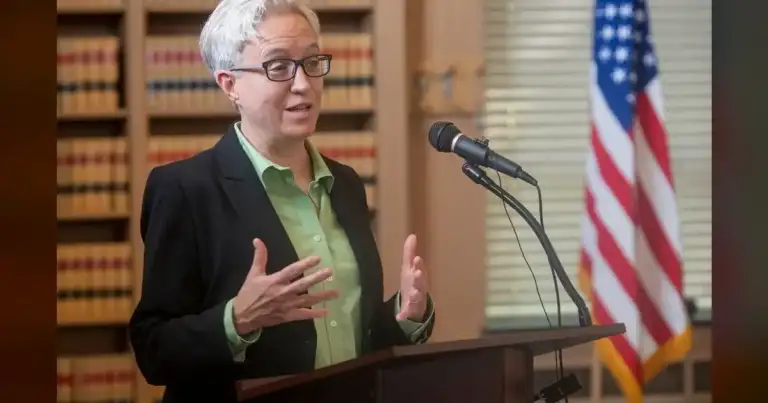
Governor Tina Kotek just unveiled a $102 million statewide shelter funding package, spread across 26 counties for 75 projects. It sounds like a lifeline, a massive commitment to Oregon’s raging homelessness crisis, promising new beds, expanded services, and a pathway to stability for thousands. State officials are quick to hail it as a “vital step” and a “compassionate safety net.” But for Oregonians staring down the barrel of an ever-worsening situation, let’s be brutally honest about what this really means.
This fresh infusion of cash, part of a larger $200 million package, is designed to rapidly deploy hundreds, potentially thousands, of new shelter beds. It aims to get people off the streets, offering immediate relief – a crucial need, absolutely.
Director Andrea Bell of the Oregon Housing and Community Services (OHCS) talks about “building pathways to stability.” For those shivering in tents tonight, any bed is a godsend. But is this $102 million, or even the full $200 million, truly enough to make a lasting dent in a crisis that has festered for well over a decade? Or is it simply delaying the inevitable?
Oregon’s Homelessness Reality: Deeper Than Dollars
Oregon consistently ranks among the worst states for unsheltered homelessness per capita. This isn’t a new problem that materialized overnight; it’s a systemic failure, a deep wound rooted in a severe, chronic lack of affordable housing, stagnant wages that fail to keep pace with living costs, and a woefully inadequate mental health and addiction treatment infrastructure. Kotek declared an emergency, and this funding represents her administration’s defining move. But an emergency shelter, no matter how well-funded or efficiently run, remains a temporary fix for a permanent, structural problem.
Here’s the brutal truth: shelters offer immediate safety, yes, but they don’t build a single home. They don’t magically reverse the economic forces pushing people out of their homes, nor do they fully address the complex, intertwined health issues – mental illness, addiction, chronic disease – that so often accompany homelessness.
Local governments, the very entities tasked with deploying these funds on the ground, still face the brutal reality of contentious site selection and inevitable community pushback. They also face the sheer impossibility of keeping pace with the relentless inflow of newly homeless individuals. It’s like trying to bail out a sinking ship with a teacup.
The Red Marker Verdict
Let’s call this what it is: a necessary political maneuver and a short-term public relations victory. Governor Kotek has to show action on her signature issue, and $102 million for shelter beds delivers immediate optics. It provides a visible, tangible response to a crisis that is literally spilling onto our streets and into our parks, undeniably easing some immediate suffering.
However, this isn’t a solution; it’s a very expensive bandage slapped onto a gaping wound. The motive is starkly clear: manage the symptom – unsheltered homelessness – without truly committing to the multi-billion-dollar, multi-decade overhaul required to fix the root causes.
It allows the state to pat itself on the back for “doing something” while blatantly sidestepping the far more difficult, politically unpopular, and astronomically expensive task of building tens of thousands of genuinely affordable housing units. It also avoids massively expanding mental healthcare access and tackling economic inequality head-on. This funding might keep the crisis from exploding further, but don’t confuse it with actually solving it. The problem will persist, ensuring future governors will have to announce similar “investments” down the line, perpetuating a cycle of crisis management.
The Real Cost of “Doing Something”
Oregon’s homelessness crisis isn’t a ‘moving target’; it’s a relentless force, constantly exacerbated by skyrocketing housing costs and unchecked inflation. While this $102 million will undoubtedly offer critical, immediate relief for many, it’s a damning indictment of our collective failure that such a sum is still just a drop in the bucket. We are not paying to end this crisis, Oregon. We are merely paying to manage its symptoms, ensuring the cycle continues, and the true solutions remain stubbornly out of reach. When will we demand more than just expensive bandages?
Source: Google News