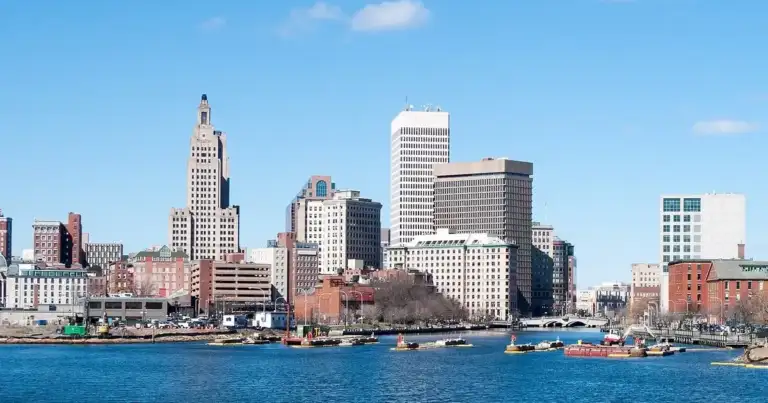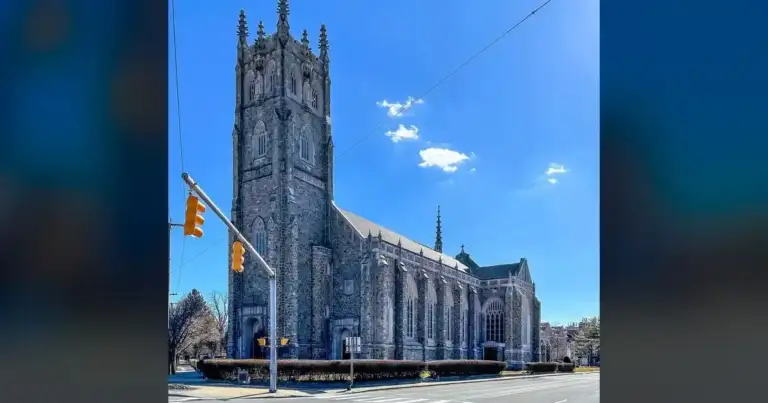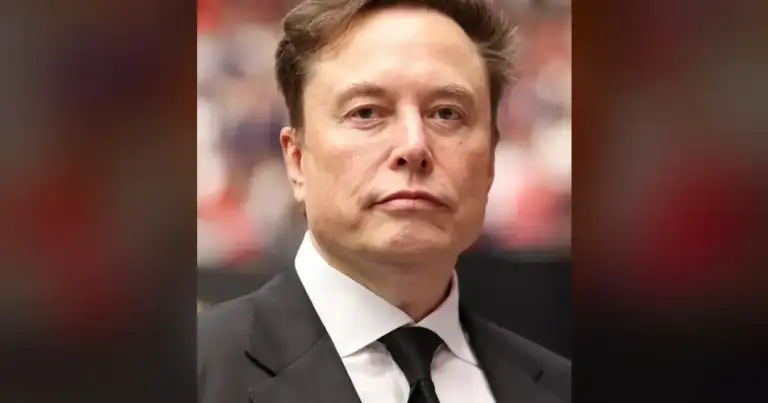

America is officially trading its soul for Elon Musk’s millions, and Providence, Rhode Island, is the latest battleground. Mayor Gina Rodriguez, with all the grace of a politician caught with her hand in the cookie jar, is moving to dismantle a powerful mural honoring slain refugee Aisha Khan. This isn’t some random act of civic housekeeping; it’s happening with suspicious timing, right after Musk, the self-proclaimed free speech absolutist, dumped tens of millions into the city’s coffers. The message? Crystal clear: money talks, principles walk, and the uncomfortable truths of our society are for sale.
This isn’t about “community healing” or “urban revitalization.” It’s about bowing to a tech billionaire whose every move seems calculated to dominate, control, and, when convenient, erase.

The Price of ‘Philanthropy’: A Faustian Bargain?
Mayor Rodriguez, suddenly an art critic, claims the mural is “divisive” and fuels “social unrest.” Funny, isn’t it, how this profound concern about public harmony only bubbled to the surface after Elon Musk’s “unconditional” donation materialized? Sources close to City Hall whisper figures in the tens of millions—a sum large enough to make even the most principled city official develop a sudden case of amnesia regarding their constituents’ wishes. For a city like Providence, that’s not just a chunk of change; it’s a game-changer, or perhaps, a soul-changer.
The mural in question is no ordinary street art. It’s a vibrant, poignant tribute to Aisha Khan, a 19-year-old Syrian refugee brutally murdered in a hate crime in August 2025. More than just a memorial, the artwork is a defiant cry for refugee rights, a stark condemnation of xenophobia, and a powerful reminder of the human cost of hatred. Yet, in the wake of Musk’s largesse, it has somehow transformed from a beacon of remembrance into a civic problem.
- Mayor Rodriguez wants the mural gone.
- Her stated reason? Its “divisive nature.”
- The undeniable context? A huge Elon Musk donation.
- The stated purpose of the donation? Vague “urban revitalization projects.”
Let’s not mince words. This isn’t philanthropy; it’s a power play. Musk’s money isn’t just buying buildings or parks; it’s buying influence, shaping local policy, and dictating what art gets to stay and what inconvenient truths must be whitewashed from public view. Is this the future of our cities? Where every public space, every memorial, every narrative is subject to the whims of the highest bidder?
Silencing the Uncomfortable Truth: A Betrayal
The human cost of this political maneuvering is devastating. Khan’s family is, understandably, heartbroken. They see the mural as Aisha’s voice, a permanent reminder of her life and the injustice of her death. Its removal, to them, is not just an aesthetic decision; it’s a profound betrayal. Fatima Khan, Aisha’s mother, articulated this pain with chilling clarity:
“This mural is Aisha’s voice. It is our voice. To remove it now, after all the pain we have endured, is to silence us again. It is a betrayal. Is money more important than justice for my daughter?”
Her question hangs heavy in the air, a damning indictment of a system that prioritizes wealth over human dignity. Refugee advocates are equally incensed. Dr. Lena Hassan of the Refugee Rights Coalition of Rhode Island didn’t hold back:
“This is a clear case of a wealthy donor influencing local politics to erase a narrative that challenges the status status quo. The mural isn’t divisive; the hate crime that killed Aisha Khan was divisive. The Mayor’s decision, coming so soon after a major donation, is deeply concerning.”
They are absolutely right. The mural itself isn’t divisive; the truth it tells is. It forces us to confront a brutal hate crime, highlights ongoing societal issues, and demands uncomfortable conversations about xenophobia and intolerance. And some folks, especially those accustomed to wielding immense power and influence, simply don’t like uncomfortable conversations. They prefer a sanitized, agreeable narrative, even if it means erasing history and silencing the marginalized.
Public Opinion vs. Political Expediency: Who Does the Mayor Serve?
Here’s the kicker: the people of Providence largely stand with the mural. A recent Providence Journal poll revealed that a resounding 55% of residents want it to remain, while a mere 15% are in favor of its removal. So, Mayor Rodriguez isn’t listening to her constituents; she’s listening to the seductive siren song of Musk’s money. This isn’t about what the community wants; it’s about what a tech titan demands. It’s about a city selling out its values, its memory, and its very soul for a cash injection. And for what, exactly? “Urban revitalization”? Or just another high-profile vanity project for Musk, a man whose public persona often overshadows any genuine philanthropic intent?
Consider the grim irony: the city saw a staggering 15% increase in hate crimes last year. This mural stands as a direct counter-narrative, a powerful symbol against that very hate. Its removal sends an insidious, dangerous message: that hate can be swept under the rug, that inconvenient memories can be erased, and that money can buy silence. It’s a chilling precedent for any community grappling with its own difficult past or present.
The Real ‘Divisiveness’: Hypocrisy and Control
The true divisiveness here isn’t the mural; it’s the rank hypocrisy of those in power. It’s the blatant double standard, the way powerful figures manipulate narratives to push their agendas, all while silencing dissent and pretending it’s for “unity.”
Musk’s foundation, predictably, claims their donation is “unconditional” and that they don’t “dictate specific projects.” But actions, as they say, speak louder than words. The Mayor’s sudden, inexplicable flip-flop on a widely supported public memorial is no mere coincidence. It reeks of a quid pro quo, a silent agreement where public memory is traded for private gain.
This isn’t just about a mural in Providence; it’s a chilling blueprint for how wealthy donors can exert undue control over public spaces, rewrite history, silence victims, and turn art into a political football. It’s a stark reminder that even in a supposed democracy, the loudest voices often belong to those with the deepest pockets.
The Human Cost of Corporate Influence: A Call to Arms
What happens to free expression when a city takes Musk’s money? Does it also take his marching orders, his worldview, his selective memory? This isn’t merely about paint on a wall; it’s about the very soul of a city, its integrity, and its commitment to justice and truth. It’s about whether we, as a society, will allow wealth to dictate our cultural memory, to sanitize our public spaces, and to erase the stories that challenge us.
It’s about whether we stand up for justice, for the marginalized, for the uncomfortable truths that make us grow. Or do we simply roll over for the highest bidder, allowing our collective conscience to be bought and sold? The people of Providence, and indeed every city facing similar choices, must decide. The stakes could not be higher.
This situation is a stark warning. The war on masculinity, the war on truth, and now, the war on public memory are not abstract concepts; they are playing out in our streets, on our walls, and in our city halls. Don’t let them erase the stories that matter. Fight back. Demand accountability. Defend the truth, even when it’s inconvenient. Because if we don’t, what will be left of our collective soul?
Source: Google News