Rhode Island: Six Rabid Animals, Zero Public Alarm. What the Hell Are We Waiting For?
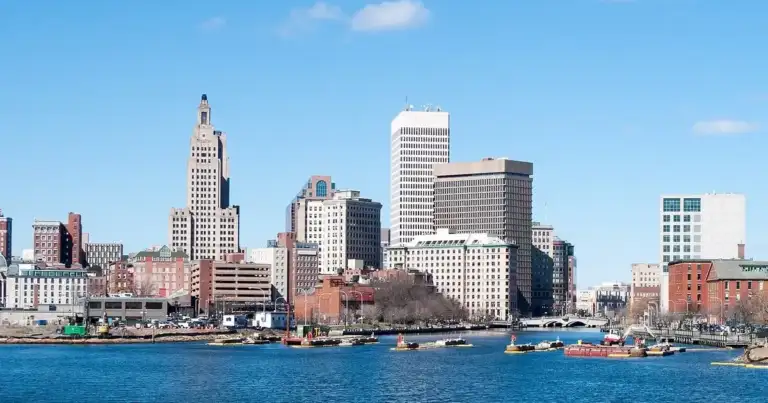
Six rabid animals confirmed in just 72 hours across Cranston, Warwick, East Providence, North Kingstown, Providence, and Woonsocket. This direct, snarling menace threatens our pets, our children, and our peace of mind right here in Rhode Island. What is the public’s response? A deafening, dangerous silence. A rabid raccoon tangled with a dog in Cranston on April 24, 2026. Two skunks, a fox, a bat, and another raccoon were confirmed rabid across Warwick, East Providence, North Kingstown, Providence, and Woonsocket between April 23-25. This isn’t a trickle; it’s a terrifying surge. Rhode Island typically logs only 10-15 rabies cases annually across the entire state. Six confirmed in a mere handful of days doesn’t just ‘demand attention’ – it screams for immediate, widespread alarm.RIDOH’s Empty Warnings
Dr. Alexander Jones, Chief Epidemiologist for RIDOH, dutifully issued standard warnings. He urged Rhode Islanders to be extremely cautious around unusual wildlife and to ensure domestic animals are vaccinated. This is sage advice, of course. But what good are such warnings if the public isn’t just ignoring them, but actively pretending the problem doesn’t exist? Local animal control agencies, like Cranston’s, are seeing a spike in calls, indicating a tangible threat. Yet online, on social media, in our everyday conversations? Crickets. There’s zero public outrage, no viral panic, not even a sarcastic meme. Just a collective, dangerous shrug as if this isn’t happening in our own backyards.The Real Cost of Apathy
This isn’t just about wildlife; it’s about public health with a crippling price tag. Rabies is almost always fatal once symptoms appear, a death sentence, not a cold. Avoiding that horrific outcome means expensive post-exposure prophylaxis (PEP) treatment, often costing thousands of dollars per person. Are we really prepared to foot that bill, multiplied by potentially dozens of exposures, because we couldn’t be bothered to pay attention? Our healthcare system will buckle under the strain. Local animal control and public health agencies will also face increased operational costs, paid straight out of our pockets. Rhode Island might boast “well-established protocols,” refined since the early 90s. But protocols are utterly useless without public engagement, without a community that understands the threat. This silence isn’t a sign of calm; it’s a chilling indicator of dangerous, potentially deadly, indifference.Stop Waiting for the Body Count
So, what exactly are we, the people of Rhode Island, supposed to do? It’s not quantum physics; it’s basic, life-saving common sense. * Do Not Approach: Don’t go near any wild or unfamiliar animal. PERIOD. No exceptions, no excuses. * Report Immediately: See something strange? An animal acting erratically? A bite? Call your local animal control or police immediately. For human exposure, call RIDOH at (401) 222-2577 without delay. * Vaccinate Pets: Get your dogs, cats, and ferrets their rabies shots. This isn’t optional; it’s essential. If a vaccinated pet gets exposed, it’s typically a booster shot and observation. Unvaccinated? You’re looking at euthanasia or a costly, lengthy quarantine. The choice, and the responsibility, is yours. * Secure Property: Seal up gaps in your house, garage, or shed. Lock down your trash cans with tight-fitting lids. Don’t leave pet food outside where it can attract unwanted wildlife. Make your property as inhospitable as possible to these potential carriers.Red Marker Verdict: We’re Playing Russian Roulette with Rabies
The true scandal here isn’t merely the terrifying escalation of rabid animal encounters. It’s the absolute, deafening, infuriating silence from the public. We are sleepwalking through a serious public health emergency, actively ignoring the flashing red lights until someone – maybe a child, maybe a beloved pet, maybe you – gets infected. This isn’t a problem for “officials” to quietly manage; it’s a collective failure of vigilance. It’s a dangerous gamble with our community’s health, where apathy will cost us not just tax dollars, but potentially lives. The warning has been delivered, loud and clear. Ignore it at your peril. The next rabid animal might not just be in ‘a’ backyard; it could be in yours.Photo: Kenneth C. Zirkel
Source: Google News