
Ohio Drowning: DeWine Declares Emergency, But Are We Just Bailing Out a Sinking Ship?
Another summer, another deluge. Southwest Ohio didn’t just get hit over the weekend of August 15-16; it got hammered again.
Montgomery, Greene, and Clark counties were swallowed by flash floods, with some localized areas recording over six inches of rain in a terrifying 12-hour window.

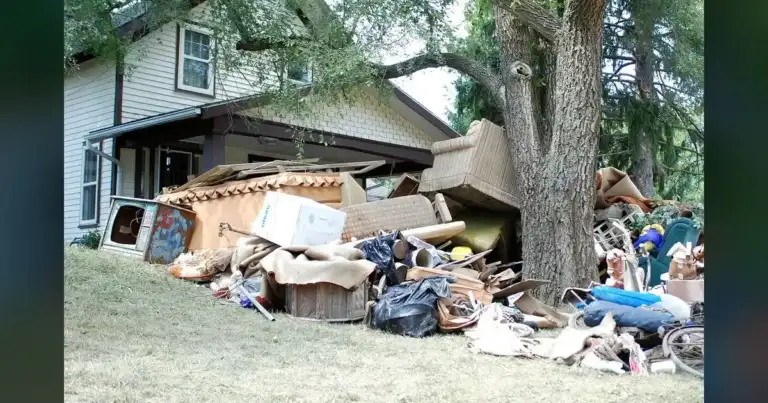
The Mad and Little Miami Rivers didn’t just surge; they exploded past flood stage, transforming familiar streets into raging, muddy torrents and homes into waterlogged ruins.
This isn’t a surprise anymore; it’s a grim, soul-crushing annual ritual that leaves our communities gasping for air.
The State’s Swift Hand: A Pat on the Back or Business as Usual?
Governor Mike DeWine moved with predictable speed, declaring a state of emergency late on August 16th.
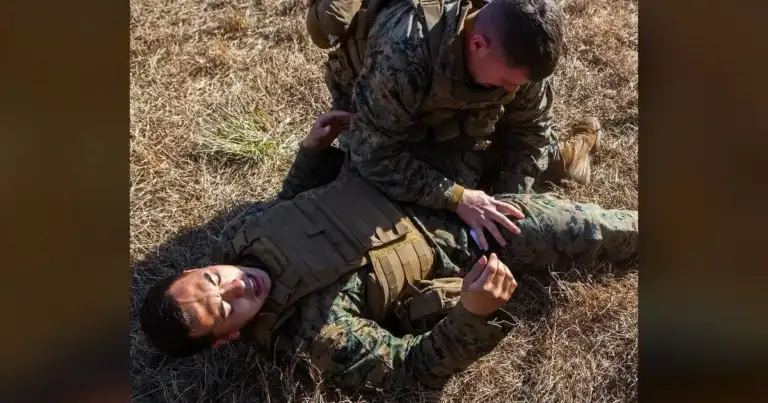
The Ohio National Guard immediately deployed high-water rescue teams, ODOT crews grappled with dozens of road closures—including critical sections of I-70, bringing interstate traffic to a grinding halt—and the Ohio Emergency Management Agency (EMA) rushed to establish shelters.
Chief Robert Smith of the Dayton Fire Department, understandably, lauded the state’s rapid assistance, calling the National Guard “invaluable” in plucking residents from submerged homes and vehicles.
Over 150 people were evacuated, and at its peak, 5,000 households found themselves plunged into darkness without power.
“My basement is completely flooded, everything is ruined,” lamented Maria Rodriguez, a Xenia resident, her voice heavy with despair. “It happened so fast. We’re grateful for the help, but it’s hard to know where to even start cleaning up.”
On the surface, it paints a picture of a well-oiled, efficient machine.
DeWine’s office wasted no time issuing a press release, trumpeting Ohio’s “preparedness.” And yes, compared to the fiascos of yesteryear, the immediate response was rapid.
This isn’t the state’s first rodeo; we’ve collectively absorbed over $75 million in damages from 2024 floods alone, not to mention the significant agricultural losses that crippled our farmers in 2025.
Clearly, lessons have been learned, but only when it comes to reacting to a crisis, not preventing one.
The Red Marker: Beyond the Headlines, What’s Really Going On?
Let’s be blunt. The state’s rapid deployment isn’t just about saving lives, though that’s certainly the convenient, feel-good narrative spun for the evening news.
It’s about meticulously managing public perception and, let’s be honest, trying to avoid a federal handout by demonstrating Ohio can handle its own mess – at least in the immediate aftermath.
Governor DeWine, like any politician, needs to project decisiveness, especially as the climate change alarm bells aren’t just ringing; they’re blaring louder than ever across the heartland.
We know the money is there: the state approved a hefty $500 million “Resilient Ohio” fund in 2025, and the EMA is currently sitting on a cool $85 million. Sounds like a solution, doesn’t it?
But here’s the brutal truth, the real rub: While state-level response has undeniably sharpened, the actual infrastructure in our smaller municipalities and rural areas remains, frankly, a pathetic joke.
These are the communities getting swamped repeatedly, left utterly exposed, lacking any semblance of comprehensive flood mitigation plans and, critically, the local cash to implement them.
The state, for its part, swoops in, cleans up the visible damage, and then, predictably, declares victory.
But the underlying, existential threat—a staggering 20% rise in extreme rainfall since 2020, with projections of even more through 2050—is not merely a ticking time bomb; it’s already detonating.
This isn’t just about “preparedness” for the next disaster; it’s about finally acknowledging that Ohio is fundamentally, catastrophically unprepared for a future that’s already upon us.
The funds are readily available for the cleanup crews and the immediate fixes, but the systemic, proactive changes that would actually protect all Ohioans from being repeatedly washed out? That’s a much harder, far less politically satisfying fight, and one that still feels like it’s being deliberately kicked down the road until the next round of unavoidable, desperate rescues.
So, let’s be clear: it’s time to stop admiring the quick Band-Aid and start demanding a surgical solution.
Because if we don’t, Ohio won’t just be bailing out a sinking ship; we’ll be watching our communities drown, one devastating flood after another, while those in power congratulate themselves on a job half-done.
How many more times must we rebuild before we finally decide to build right?
Source: Google News