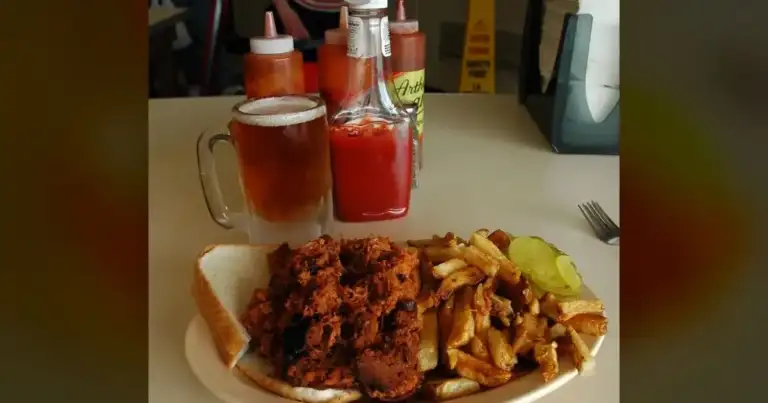

Lilly’s Cantina, a beloved Kansas City institution for Mexican cuisine, has once again been forced to strip lettuce from its menu. For the third time in as many years, the culprit is Cyclospora, that insidious parasite making its all-too-familiar annual pilgrimage through our fresh produce supply. This isn’t just a temporary inconvenience; it’s a glaring symptom of a food system failing us, year after infuriating year.
Cyclospora’s Annual Encore
For Kansas City, this isn’t news; it’s a recurring nightmare. Lilly’s Cantina, a local dining cornerstone, has again posted signs explaining a “temporary menu adjustment.” They frame it as a precaution, but when a diligent restaurant repeatedly pulls lettuce, it signals a systemic failure far beyond their kitchen doors.
This problem isn’t unique to Lilly’s. It’s a grim echo of actions taken by countless other establishments in previous years when these invisible bugs decide it’s time for their annual regional tour. What’s truly galling is the predictable lack of specific detail from our public health authorities. While Lilly’s is forced to act decisively, the Kansas City Health Department, under Dr. Evelyn Reed’s direction, remains largely silent on specific, confirmed case numbers for our immediate area. This leaves consumers, and local businesses like Lilly’s, flying blind, forced to make critical decisions based on whispers, past traumas, and the sheer absence of transparent information.
A Broken Chain, Local Business Pays the Price
Consider the immediate financial and reputational hit. A local restaurant like Lilly’s must scramble to adjust menus, absorb lost sales, and manage customer disappointment – all because, somewhere far upstream in the labyrinthine supply chain, the most basic checks and balances against a known, persistent pathogen have failed. Again. This isn’t a ‘proactive measure’ taken out of an abundance of caution; it’s a desperate defensive maneuver in a game where the rules are constantly shifting, and the local players always seem to pay the steepest price.
How many more times must Kansas City endure this predictable cycle? Cyclospora is a persistent, well-documented menace, and annual outbreaks prove that supposed solutions at the source aren’t cutting it. Praising a restaurant for being ‘responsible’ often glosses over the truth: they’re cleaning up a systemic mess that should have been prevented.
RED MARKER VERDICT: Here’s the cold, hard truth: this isn’t about Lilly’s Cantina being a hero. It’s about a supply chain that’s clearly not up to scratch, forcing local businesses to bear the brunt of public health responsibility and the associated economic hit. While health departments are slow-walking specifics, it’s the Kansas City restaurants and their customers who are left playing Russian roulette with their romaine. The common refrain will be to pat Lilly’s on the back for being ‘vigilant.’ The stark reality, however, is that they’re simply fighting to survive another predictable failure upstream. Who’s actually holding the growers and distributors accountable for this annual lettuce lottery? Not our local authorities, apparently, who prefer to operate in a fog of general concern rather than specific, actionable intelligence.
It’s time for our health officials, from Dr. Reed’s office at the Kansas City Health Department to the state level, to stop merely observing and start demanding answers. Who is truly responsible for this annual ‘lettuce lottery’ that puts our health and local businesses at risk? Until that accountability is enforced, Kansas City diners will remain caught in this infuriating, stomach-churning cycle, wondering not if the next outbreak will hit, but when.
Source: Google News