
Forget what Washington D.C. says. When it comes to protecting Arizona’s $4.5 billion livestock industry, our state is drawing its own, unyielding line in the sand.
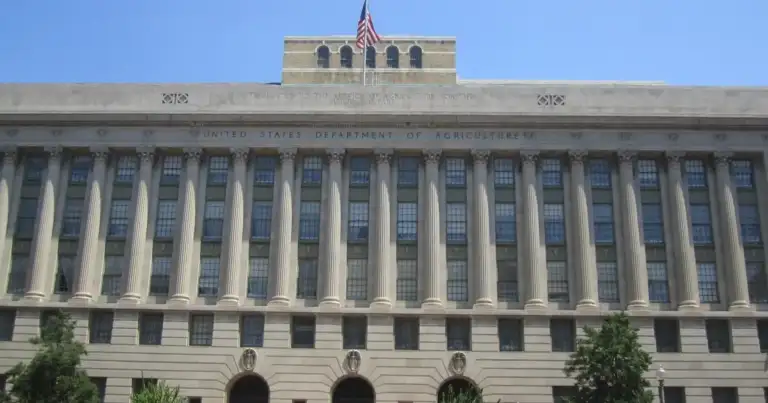
Just as the USDA, with its usual bureaucratic fanfare, announced the resumption of live cattle imports from northern Mexico this week, Arizona’s Department of Agriculture (AZDA) wasted precisely zero time declaring its own, far more stringent, screening protocols.
This isn’t just a simple procedural update; it’s a strategic bulwark. It’s a clear declaration that Arizona will not gamble its economic bedrock on federal assurances alone.
The United States Department of Agriculture, on July 28, 2026, trumpeted the reopening of these borders. They cited a 12-month review and the promise of “economic benefits” for both sides of the border.
Lower-cost calves for feedlots, they say. More trade, they promise.
It’s the kind of broad-stroke economic policy that sounds good on paper in Washington D.C. However, it often ignores the gritty, on-the-ground realities of a border state like Arizona.
A State’s Uncompromising Commitment to Biosecurity
Arizona knows better. How could we not?
Our history with cross-border cattle trade isn’t just riddled with devastating disease outbreaks; it’s scarred by them. We’ve seen millions of dollars vanish into thin air from Bovine Viral Diarrhea (BVD), Bovine Spongiform Encephalopathy (BSE) scares, and relentless tick-borne illnesses.
Ranchers here, the backbone of our rural economies, remember the herd culling, the market closures, and the sheer financial ruin. They’re not about to forget those lessons for the sake of a federal trade initiative.
That’s why the AZDA’s swift action on July 29, 2026, is not just commendable; it’s absolutely essential. State Veterinarian Dr. Sarah Chen didn’t mince words:
“Our priority is to protect the health and economic viability of Arizona’s livestock. While we respect federal trade decisions, we must implement all necessary safeguards to prevent disease transmission across our border.”
This isn’t just rhetoric; it’s an operational mandate.
What does that look like on the ground? It means increased veterinary inspections at every port of entry, mandatory 30-day quarantine periods for certain high-risk herds, and additional state-specific health certifications that go far beyond what the feds are asking for. John Miller of the Arizona Cattle Growers’ Association echoed the sentiment, stating:
“We’ve seen the devastating impact of disease outbreaks in the past. We welcome the USDA’s efforts to open markets, but Arizona’s enhanced screening is a crucial layer of protection that our ranchers depend on.”
The Red Marker Verdict: Protecting Our Own Premium Value
Let’s be brutally honest about what’s happening here. The USDA, in its pursuit of broader trade and abstract “economic benefits,” has clearly left a gaping hole in the biosecurity net.
Arizona, with its direct border exposure and hard-won experience, is stepping in to patch it. This isn’t about state “overreach”; it’s about state self-preservation.
The financial motive is stark: Arizona is safeguarding a $4.5 billion industry.
The USDA’s decision, while framed as beneficial, carries inherent risks that Arizona’s ranchers cannot afford to absorb.
The real value for ordinary Arizonans isn’t just cheaper beef (which is debatable given the costs of disease); it’s the long-term stability of our food supply, the thousands of jobs tied to ranching, and the health of our rural communities.
The “mainstream narrative” might praise the USDA for fostering trade, but the reality is that Arizona is cleaning up a potential mess before it starts. This ensures our state’s premium agricultural assets are not undermined by federal expediency.
This is Arizona asserting its sovereignty and demanding the highest standards for what crosses its borders, because no one else will do it quite like us.
This isn’t just about cattle; it’s about control, responsibility, and an uncompromising commitment to protecting Arizona’s economic bedrock. It’s a powerful reminder that when federal assurances fall short, our state will always step up, stand firm, and draw the lines necessary to protect our own. And frankly, that’s exactly what every Arizonan should expect.
Source: Google News