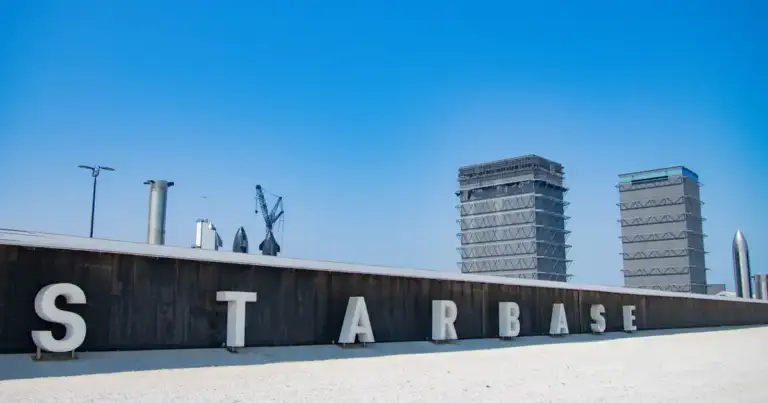

Forget the starry-eyed dreams of Mars for a moment. The thunderous roar of Starship launches from Boca Chica isn’t just about humanity’s next giant leap; it’s the opening salvo in a high-stakes corporate negotiation that could gut Texas’s economic future. Right now, the fate of Elon Musk’s multi-billion dollar Starbase expansion hangs precariously on the decisions of local school boards, especially the Point Isabel Independent School District (PIISD).
SpaceX, with typical corporate swagger, has laid its cards on the table. Their representatives have made it crystal clear: without competitive tax abatements from these local districts, the mammoth plans for Starship production and launch infrastructure will be redirected outside of Texas. This isn’t a veiled threat; it’s a direct challenge, forcing our communities to choose between immediate educational funding and the distant promise of a global aerospace giant.

The Premium Dilemma for Texas Schools
The dilemma facing districts like PIISD is stark, almost cruel. Their annual budget hovers around $40-50 million. Property tax revenue from a fully assessed Starbase, without abatements, could be in the tens or hundreds of millions annually.
To grant SpaceX the desired tax breaks means consciously accepting a reduction in critical funds for teachers, facilities, and educational programs. These are funds our kids desperately need.
Yet, to refuse means risking the company scaling back or relocating. This would take thousands of high-paying jobs and a huge economic ripple effect with it. What kind of choice is that?
“Our priority is always the students,”
an anonymous PIISD board trustee reportedly remarked, perfectly capturing the impossible bind. But how does one prioritize student needs when the economic bedrock of the entire region is on the line? It’s a classic Texas standoff, but with rockets and textbooks instead of cattle and oil wells.
Carlos’s Red Marker Verdict: The True Cost of Ambition
Let’s strip away the starry-eyed rhetoric about Mars and the future of humanity. This isn’t some delicate ballet of economic development; it’s a raw display of corporate leverage, plain and simple.
SpaceX, like any shrewd corporation, is exploiting the competitive vacuum left by the expiration of Texas’s Chapter 313 program. They know Texas wants them, needs them, and they are using that necessity to gorge itself on local tax dollars.
The mainstream will frame this as a necessary negotiation to keep Texas competitive. Don’t buy it for a second. This is a corporate shakedown, where a multi-billion dollar entity is effectively asking local school children to subsidize its expansion. Maria Rodriguez, a local parent, spoke the unvarnished truth to KBTX:
“Our schools are already struggling. Why should our kids’ education pay for a rocket company’s tax break?”
She cuts directly to the heart of the hypocrisy, doesn’t she?
SpaceX’s playbook is well-worn, almost predictable. They’ve previously secured substantial incentives for their operations in Florida.
You can be certain that the Sunshine State’s Space Coast, with its established launch infrastructure and a hungry aerospace industry, stands ready to court Starship development should Texas balk.
We’re not just talking about Florida, either. Other states like Mississippi or Alabama are always looking for a piece of the pie, eager to roll out the red carpet and offer their own concessions.
This isn’t just a threat; it’s a calculated business strategy. They aim to squeeze every last cent out of local coffers, leveraging regional competition against our own communities.
The true cost of this entire saga isn’t just the thousands of jobs SpaceX provides; it’s the premium on local educational funding and community autonomy that is being gambled away. The state of Texas, by shamefully failing to provide a coherent, statewide economic development framework, has abandoned its local school districts to fend for themselves against a global titan. This isn’t just bad policy; it’s a dereliction of duty.
This isn’t just a local skirmish over property taxes; it’s a litmus test for Texas. Will we allow the pursuit of the stars to overshadow the education of the next generation, or will we finally demand a more equitable path forward?
The decision rests not just with a few beleaguered school board members. It rests with the collective will of Texans who claim to value both innovation and the future of their children.
It’s time to choose: rockets or classrooms. What kind of Texas do we want to build?
Photo: Wikimedia Commons (query: SpaceX texas)
Source: Google News