
The Premium Peach, Now a Luxury
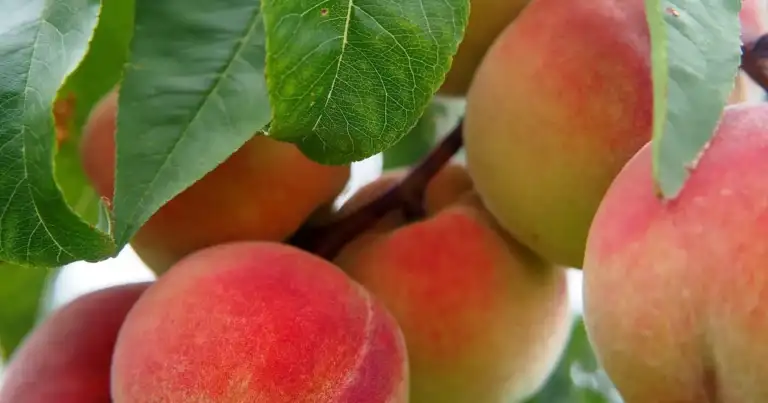
For those who cherish the distinct flavor of a genuine Hill Country peach – a true Texas delicacy – prepare for a rude awakening. The scarcity means one thing: **exorbitant prices**. What was once a summer staple will now be a luxury, a symbol of the unpredictable whims of nature and the harsh realities of agricultural economics. Farmers’ markets from Fredericksburg to Dallas will feel the pinch, their vibrant displays noticeably thinner. This isn’t just about fruit; it’s about the very fabric of the Hill Country’s allure. Agritourism, a cornerstone of the regional economy, will suffer. Think of the local restaurants, the roadside stands, the entire ecosystem built around that annual harvest. The ripple effect will touch local employment and revenue, turning what should be a bustling summer into a lean season for many. Tim Jenschke of Jenschke Orchards put it plainly: “We’re looking at probably 80-90% crop loss. It’s heartbreaking to see all that hard work just vanish overnight.”The Red Marker Verdict: Natural Selection, Texas Style
Let’s strip away the sentimentality. This isn’t merely a “challenge” for our resilient farmers; it’s a brutal economic culling. The mainstream narrative often focuses on the plucky spirit, but the cold, hard truth is that this late freeze acts as a powerful, albeit tragic, accelerant for **market consolidation**. Those who survive will be the ones with deep pockets, diversified operations, or perhaps, the sheer luck of microclimates. Smaller, less capitalized family farms, for whom peaches are the primary income, are now staring down the barrel of financial ruin. Crop insurance, even when available, rarely covers the full spectrum of loss for specialty crops, and government disaster aid is a slow drip, not a flood. This isn’t just about supporting local; it’s about recognizing the inherent fragility of a single-crop focus in an increasingly volatile climate. The “hidden value” here becomes painfully clear: the land itself. When the crops fail repeatedly, the value proposition of agricultural land shifts, opening the door for other uses, other investments. The romance of the peach orchard gives way to the relentless logic of the balance sheet. This summer, when you finally track down a precious few Hill Country peaches, remember the true cost. This isn’t just a fruit; it’s a symbol of a local economy teetering on the edge, and a stark reminder that even premium experiences come with an increasingly hefty price tag, both for the grower and the consumer. It’s time to recognize that the future of Texas agriculture will be defined not just by resilience, but by radical adaptation and diversification, or by who can simply outlast the elements.Photo: Larry D. Moore
Source: Google News