
North Texas, brace yourselves. This isn’t just another warm spell; it’s a direct assault.
Starting Monday, June 8th, and holding through Wednesday, June 10th, our region is set to bake under its first brutal test of summer heat.

The “feels like” temperature — the heat index — will scorch us with a brutal 105 to 110 degrees Fahrenheit. This isn’t just an inconvenience; it’s a direct threat to our health, our infrastructure, and our wallets.
Anyone pretending otherwise isn’t paying attention, or worse, doesn’t care.
The Heat is On: Health and Habits Under Siege
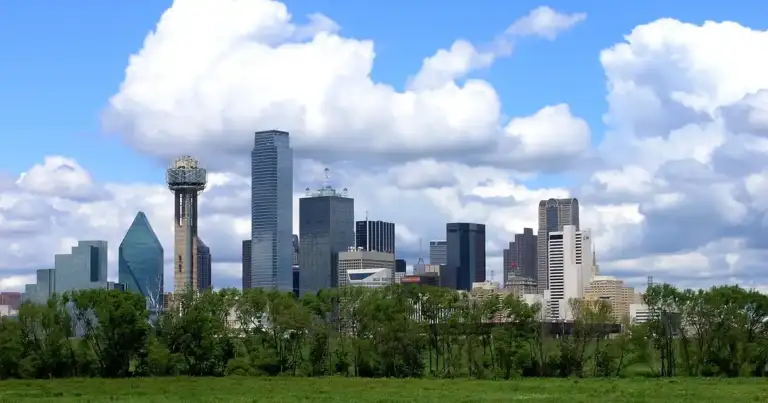
The National Weather Service hasn’t just issued a warning; they’ve slapped a dire Heat Advisory across Dallas, Fort Worth, Denton, and McKinney, and for damn good reason.
Actual air temperatures will hover in the upper 90s, but with humidity clinging stubbornly above 60%, the air will feel less like a blanket and more like a suffocating vice. Dr. Emily Carter, the straight-talking Director of Dallas County Health and Human Services, isn’t mincing words:
“This is not just about being uncomfortable; it’s about life and death for some of our most vulnerable residents. We urge everyone to take this Heat Advisory seriously: stay indoors, drink plenty of fluids, and check on elderly neighbors.”
She’s absolutely right. The elderly, the very young, and those with existing health conditions aren’t just ‘at risk’; they’re directly in the crosshairs.
What about the backbone of our economy, our outdoor workers? They’re already scrambling, adjusting schedules to avoid the worst of the afternoon sun, risking heatstroke just to make a living.
Local shelters are gearing up for a surge in demand for cooling centers and basic hydration. But are we doing enough to protect everyone?
The Grid, Your Wallet, and the Usual Assurances
As the mercury climbs, so does the insatiable demand for air conditioning. Oncor Electric Delivery, the state’s largest utility, is projecting electricity demand to approach peak summer levels, potentially pushing past a staggering 25,000 megawatts.
What’s their immediate response? They’re quick to trot out the usual assurances, telling everyone the grid is “prepared.” Oncor spokesperson, Maria Rodriguez, offered this boilerplate statement:
“Our crews are ready, and our system is prepared for the anticipated increase in demand. We encourage all customers to conserve energy where possible, especially during peak hours, to help maintain grid stability.”
But let’s be honest, those ‘assurances’ ring hollow to anyone who’s lived through past summers.
Meanwhile, local water utilities expect a 20-30% jump in residential water usage as we all try to cool down. All of this translates directly to higher utility bills, hitting household budgets that are already stretched precariously thin.
It’s a double whammy: sweat now, pay more later.
The Hard Truth: Who Pays When the Heat Hits?
Let’s be brutally clear: this “early season test” of the grid is nothing new. It’s a cynical annual ritual.
Every single year, we’re fed the same bland assurances from utilities and ERCOT. This happens even as the chilling ghosts of 2011’s widespread blackouts and 2023’s prolonged suffering loom large and unaddressed.
Those ‘conservation’ pleas aren’t just about ‘maintaining stability.’ They’re a thinly veiled attempt to avoid a political catastrophe and, more importantly, to pass the buck for years of systemic underinvestment directly onto the backs of consumers.
This isn’t about unexpected weather. It’s about a predictable, escalating pattern of extreme heat becoming the grim new norm.
The grid system brazenly relies on voluntary compliance from its citizens to avoid forced outages.
The real story here is the predictable financial and physical toll this takes on ordinary Texans. It’s the one no one in power wants to tell.
We are told, year after year, to grin and bear it, pay more for the privilege, and simply hope the lights stay on.
We’re not “bracing” for heat; we’re enduring a predictable, annual shakedown. The risk is entirely ours, and the profits, undeniably, are theirs.
When will enough be enough?
Source: Google News