

The Silent Predator: A Rancher’s Nightmare
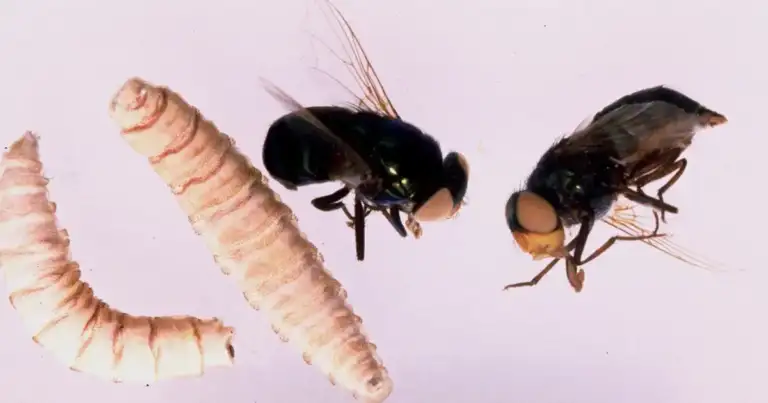
Forget cute, forget harmless. The screwworm is a biological weapon, a silent predator that preys on the most vulnerable. These insidious flies lay eggs in open wounds. Once hatched, the larvae literally devour the host alive from the inside out. Cattle, sheep, goats, horses, even our beloved pets, are all potential victims. In rare, horrifying cases, humans too. The initial eradication campaign, a triumph of science, banished this terror from the U.S. by 1966. But vigilance, it seems, has clearly waned. This second confirmation isn’t just a tick mark; it’s a chilling declaration. It unequivocally means the first case was not isolated, and the initial response was catastrophically insufficient. We are staring down widespread infection and massive livestock losses. Texas ranchers already face razor-thin margins and unpredictable markets. This will be an unbearable financial burden. What does that mean for their livelihoods? For the future of farms passed down generations?Bureaucracy vs. Biology: The Real Stakes
The USDA and state agencies claim they are scrambling, issuing advisories and setting up surveillance. But let’s be blunt: the glacial pace of bureaucracy *never* matches the explosive speed of biological invasion. Every day without aggressive, widespread action allows this parasite to multiply exponentially. It digs its grotesque tendrils deeper into our state’s economic bedrock. While officials hold meetings, our ranchers are on the front lines. They inspect their herds with a palpable, growing sense of dread. This isn’t just about animal health, folks; it’s about billions of dollars underpinning rural Texas economies. It’s about countless jobs supported by our beef and dairy industries, and the very stability of our food supply chain. Can we afford to wait?Red Marker Verdict: The Cost of Complacency
The second screwworm confirmation isn’t just a bug problem; it’s a glaring symptom of a larger, systemic vulnerability. Let’s cut through the official statements: the screwworm is back because someone, somewhere, unequivocally dropped the ball. The mainstream narrative will undoubtedly focus on “containment efforts.” But the underlying financial reality is stark. A full-scale eradication campaign could run into billions, as the original 1960s efforts did. This contrasts sharply with the perceived “manageable” cost of isolated incidents. The hypocrisy is galling. Downplaying the first case as an anomaly was a dangerous gamble. The biological reality of these relentless pests demands immediate, overwhelming force, not bureaucratic hand-wringing. The real point everyone’s missing? That “second case” means the initial perimeter failed. Our ranchers face a potential economic catastrophe. Meanwhile, the powers-that-be play catch-up, seemingly more concerned with budget lines than proactive defense. This isn’t just about a fly; it’s about the financial vulnerability of an entire industry. It’s about the predictable, slow-rolling government response that always seems to arrive too late and cost too much. This isn’t a problem that will simply “go away.” It won’t be cheap, and it won’t be quick. Every Texan, from the biggest cattle baron to the smallest backyard gardener, will ultimately pay the bill for this complacency. The question isn’t *if* we act, but *how* decisively. Are we going to let a resurrected nightmare unravel decades of hard-won victory? Or are we going to demand the immediate, overwhelming response our state and its vital industries deserve?Photo: Lance Cheung
Source: Google News