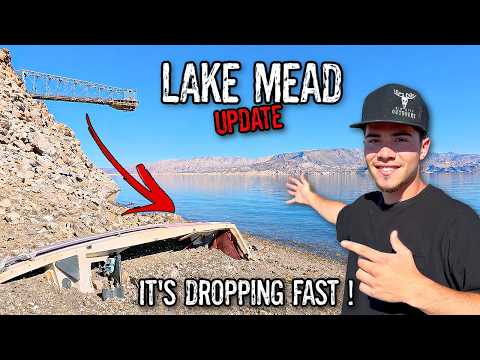
Let’s not mince words: Lake Mead isn’t just low; it’s a rapidly shrinking puddle, teetering at a pathetic 28% capacity. And while politicians in Carson City, Sacramento, and Phoenix have been dragging their feet for years, the latest ultimatum from the Bureau of Reclamation is crystal clear: agree on deeper, painful cuts by late 2027, or the feds will wield the axe for you. This isn’t some distant threat anymore; it’s a ticking clock, and Nevada is squarely in the crosshairs.
High-Stakes Talks: The Lower Basin Scramble
In the last 72 hours, the backroom deals and hushed conversations between Nevada, California, and Arizona have hit a fever pitch. Sources close to the negotiations on June 7, 2026, confirm new proposals are on the table for ‘voluntary’ water reductions.
Don’t let the word ‘voluntary’ fool you. This isn’t about some sudden epiphany of environmental stewardship or an outbreak of goodwill. This is a desperate scramble to avoid a forced federal hand, and more importantly, to shift the financial burden.
We’re talking about frameworks for compensated conservation programs, where someone gets paid to use less water. Sounds nice, until you ask who’s holding the checkbook – and whether it’s just another federal bailout for decades of inaction.
Nevada, through the Southern Nevada Water Authority, has been screaming for years about its unparalleled conservation efforts. We’ve dropped our per capita use like a hot potato, proving that responsible management is possible.
Now, our representatives are pushing hard for an agreement that acknowledges we’ve already done the heavy lifting. The message is loud and clear: don’t punish the states that actually planned ahead.
Are we truly expected to shoulder more of the burden while others continue their profligate ways? Nevada wants “demand management” — essentially, paying people to cut back — rather than blanket cuts that disproportionately hurt those who’ve already sacrificed.
California’s Grip, Arizona’s Grumbles
Then you have California, the behemoth, sucking up 4.4 million acre-feet annually. Their Imperial Irrigation District holds those ‘senior water rights,’ which in plain English means they get first dibs, period.
You think they’re going to give that up without a brutal fight? Not a chance. They’ll talk ‘fallowing programs’ and ‘infrastructure investments’ to save face and secure federal funding, but their core aim is to protect their agricultural empire, damn the consequences for everyone else downstream.
Nevada’s legitimate plea for recognition of its conservation efforts is largely falling on deaf ears when California’s senior water rights serve as a convenient shield for avoiding deeper, truly painful reductions.
Arizona, meanwhile, has already been hit with significant cuts to its 2.8 million acre-feet. They’re wary, and rightly so, of taking more disproportionate hits.
They want the burden spread, and they want federal cash to soften the blow. It’s a classic move: resist real change for decades, then demand federal taxpayers pick up the tab for your historical overreach.
Everyone wants the federal government to pick up the tab for their historical overreach, effectively bailing out powerful agricultural interests that have resisted real change for decades.
The Environmental Echo Chamber
Environmental groups like the Environmental Defense Fund (EDF) and the Sierra Club are, predictably, calling for even more aggressive conservation and prioritizing the river’s ecological health. While their warnings are undeniably true and the river desperately needs real help, in the brutal political cage match currently unfolding, these calls often get drowned out by the clamor for dollars and the protection of entrenched interests. The real fight isn’t about environmental stewardship; it’s about who gets how much, and who pays for it.
Let’s be brutally honest: these ‘intensified discussions’ and ‘compensated conservation programs’ are not about some sudden epiphany of environmental responsibility. They are about delaying the inevitable and, more importantly, shifting the financial burden away from the biggest historical users.
The ‘voluntary’ cuts, if they even materialize, will likely be funded by federal dollars, effectively bailing out states and powerful agricultural interests that have resisted real change for decades.
The mainstream narrative will undoubtedly spin this as cooperation, but the reality is a desperate scramble to avoid federal mandates, with the biggest users still holding disproportionate power and the bill for ‘saving’ the river ultimately landing squarely on the American taxpayer.
Nevada has done its part; now it’s time for the big players to stop playing games before Lake Mead becomes nothing more than a dusty memory.
Source: Google News