











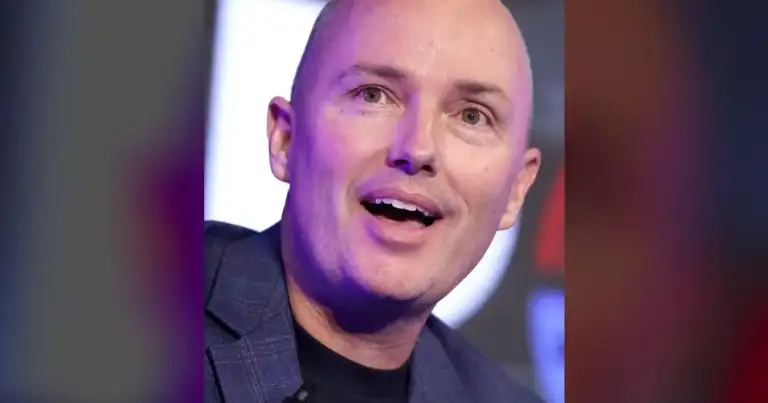

Utah is dying of thirst, and Governor Spencer Cox’s emergency declaration, issued just weeks ago on May 15th, feels less like a proactive solution and more like a desperate, long-overdue acknowledgment. His now-familiar refrain, “We can’t control the weather, but we can control the tap,” might sound good in a press conference, but to anyone living through this crisis, it rings hollow. This isn’t breaking news; it’s a stark reality we’ve watched unfold for years, and while conservation is vital, the timing of this official emergency declaration feels more like political theater than genuine leadership.
The Grim Reality on the Ground
Let’s be brutally honest: Utah is not just parched; it’s a dust bowl in the making. Our snowpack, once our lifeblood, plummeted to a dismal 58% of normal earlier this year, a figure that sends shivers down the spine of any long-time Utahn.

Coupled with unseasonably warm temperatures that melted what little snow we had far too quickly, we’re witnessing a recipe for ecological and economic disaster. Major reservoirs like Lake Powell and Flaming Gorge are languishing at just 28% and 50% of capacity respectively, historic lows that scream crisis.
The latest U.S. Drought Monitor update reveals a staggering 99.8% of the state grappling with severe to extreme drought, with 43% in exceptional drought. The Great Salt Lake, our ecological barometer and economic engine, recently hit a historic low of 4188.5 feet, a stark, undeniable warning that we’re teetering on the edge.
State officials are, predictably, trotting out the “collective responsibility” narrative, urging us to tighten our belts and save every precious drop. For urban residents, this means more outdoor watering restrictions, higher rates, and the familiar guilt trip about green lawns.
Honestly, how many more times can we hear it? A palpable fatigue has settled over Utahns who have been diligently conserving for years.
But let’s be clear: while every drop does count, this individual burden-shifting conveniently sidesteps the elephant in the room. The agricultural sector, consuming a staggering 80% of our developed water, faces devastating cuts that will impact not just their livelihoods but our entire food supply. They’re caught in an impossible bind, trying to feed a growing population while the very source of their existence dwindles.
Who’s Really Controlling the Tap?
Governor Cox’s declaration, while technically necessary, is a classic political maneuver, pushing the onus squarely onto individual Utahns. “Control the tap,” he says, but for whom?
It’s far easier to tell suburbanites to ditch their lawns than to confront the entrenched interests of large-scale agriculture or slam the brakes on the ravenous, often unchecked, development that continues to draw down our finite water resources.
This isn’t solely about the weather; it’s about political will. For far too long, our state leadership has prioritized relentless growth over genuine, long-term water security. The real question isn’t whether we can control the tap, but whether they—our elected officials and powerful lobbies—have the guts to control the spigots that matter most.
The Uncomfortable Truths We Avoid
For decades, we’ve watched the Great Salt Lake shrink. Its receding shores clearly show our collective inaction and the shortsightedness of past policies.
The diversion of water for agriculture and urban development, while essential for a growing state, has come at an unsustainable cost. We can no longer afford to ignore the fact that our water laws, many dating back to the 19th century, are ill-equipped to handle 21st-century realities of climate change and population boom.
The conversation needs to shift from blaming individual gardeners to a serious, uncomfortable discussion about modernizing water rights, investing in infrastructure that prevents massive losses, and fundamentally rethinking our growth models.
So, when Governor Cox urges us to “control the tap,” let’s ask ourselves: whose tap are we really talking about?
Until our leaders are willing to make the politically difficult decisions to rein in the biggest water users and challenge the relentless pursuit of growth, all the individual conservation efforts in the world will feel like bailing out a sinking ship with a teaspoon.
The time for platitudes is over. The time for courageous action, even if it’s unpopular, is now. Our future, and the future of this parched land, depends on it.
Photo: Gage Skidmore
Source: Google News

Nate Blouin caught denigrating Latter-day Saints in old posts