











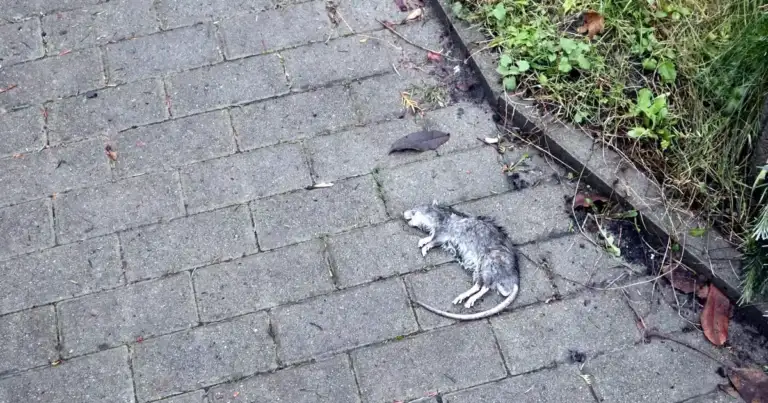


The Unseen Price Tag for Arkansans
The $5.5 million settlement, while a headline-grabber, is merely a fraction of the story. It undeniably marks a victory for AG Griffin, who commendably championed the protection of our citizens. As he rightly declared:“No Arkansan should have to worry about rodent-infested products.”He’s absolutely correct. Yet, for a retail giant like Family Dollar, boasting billions in annual revenue, this sum, while certainly not negligible, is hardly a crippling blow. It’s little more than a calculated cost of doing business, a regulatory slap on the wrist for a systemic, deeply ingrained failure. The real price, however, was silently borne by countless Arkansans—especially in our rural communities where Family Dollar stores often serve as essential lifelines. These are the families who unknowingly brought home potentially contaminated products, trusting the very stores meant to serve them. It’s the corrosive erosion of trust, the gnawing, persistent doubt about the safety of everyday necessities. Our communities deserve an elevated standard, a guarantee of safety, not just the bare minimum offered as a reactive measure after a crisis. They deserve to feel utterly confident that the food they feed their children, the medicine they rely on, hasn’t been compromised by blatant corporate indifference.
Beyond the Settlement: A Red Marker Verdict
Family Dollar has, predictably, issued public statements committing to “hundreds of millions of dollars” in improvements since the FDA’s initial, damning findings. A spokesperson claimed they’ve been “working diligently to address the issues.” But let’s be honest: why does such “diligence” only materialize after widespread public exposure, federal intervention, and the threat of severe penalties? This isn’t proactive consumer care; it’s a desperate, reactive scramble to salvage a tarnished brand and protect the bottom line. The motivation isn’t a sudden, noble epiphany about public health; it’s a cold, calculated response to overwhelming regulatory pressure and the looming specter of financial ruin. Here’s the unvarnished Red Marker verdict: This settlement, while a necessary step, serves as a stark, undeniable reminder that the relentless, often ruthless, pursuit of rock-bottom prices inevitably creates dangerous vulnerabilities in the supply chain. When profit margins are squeezed razor-thin, corners aren’t just cut—they’re often left wide open, and sometimes, those dark corners house entire, thriving colonies of rats. The mainstream narrative will undoubtedly laud this settlement as justice served, but the deeper, more unsettling truth is that it merely highlights a systemic issue: companies are only truly caught when their neglect becomes so utterly egregious it can no longer be hidden. It’s a penalty for getting caught, not for the initial, underlying, and often long-standing negligence itself. So, is Family Dollar truly “fixed” now? The mandated compliance plans, independent audits, and ongoing FDA scrutiny certainly offer a degree of reassurance. They are compelled to report regularly to the AG’s office. But let’s be clear: genuine vigilance must be constant, proactive, and deeply ingrained in corporate culture, not merely a reactive scramble in the wake of a public health disaster. We, as Arkansans, should never, ever have to compromise our health, our families’ well-being, or our peace of mind for the sake of affordability. It’s time we demand more—far more—from the corporations that profit from our communities. Demand unwavering commitment to quality, integrity, and safety. Demand that these fundamental standards are a given, a non-negotiable right, not a hard-won settlement extracted only after rats have already run rampant through our grocery aisles.Photo: Erica (Thorp) de Berry / Courtesy of National Park Servic / Manuscript letter in the Henry W
Source: Google News
