











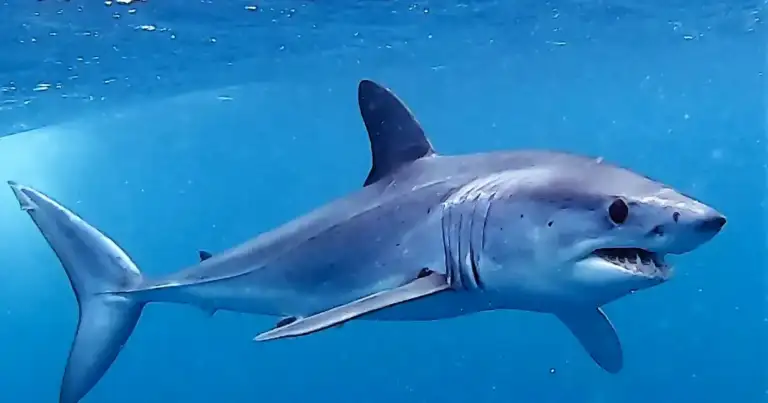

Forget the sensationalized whispers about Great Whites. The real story unfolding in Massachusetts’ elite coastal waters this season isn’t just about marine science; it’s about cold, hard cash and protecting our priceless brand. While researchers keep Shortfin Mako sharks under intense scrutiny, the underlying pulse is a strategic effort to safeguard our premium marine experiences and the very ecosystem that underpins our prosperity.
This isn’t some back-bay curiosity; these are the open-ocean thoroughbreds, known for their breathtaking speed and elusive beauty. But lately, they’re getting a little less elusive, and that’s precisely why our sharpest minds are on high alert.

The Makos are Calling: A Shift in Focus
The buzz among discerning anglers and those who truly understand the ocean’s intricate dance isn’t about the usual suspects anymore. As of May 18, 2026, the Atlantic White Shark Conservancy (AWSC) and the Massachusetts Division of Marine Fisheries (DMF) have turbocharged their efforts to track Shortfin Makos. Why? Because these sleek predators, typically deep-water dwellers, are increasingly venturing into our near-shore playgrounds—waters off Cape Cod, Nantucket Sound, and even Buzzards Bay.
Dr. John Smith of the AWSC confirmed it: new acoustic receivers are scattered strategically, listening for the tagged Makos. This isn’t just a casual observation; it’s a direct response to charter fishermen like Captain Mike O’Malley, who’ve reported a staggering 30-40% jump in Mako sightings. An endangered species by IUCN standards, every movement of these magnificent creatures tells a story about the health of our ocean, and frankly, the future of our coastal appeal.
Beyond the Scientific Noble Cause
It’s easy to applaud the noble pursuit of scientific understanding, and indeed, the data on these endangered Makos is critical. The Massachusetts Environmental Trust just injected a cool $250,000 grant into this expanded monitoring program. But let’s be real: this heightened surveillance isn’t solely driven by a pure, unadulterated love for marine biology.
The coastal communities and tourism boards, the very backbone of Massachusetts’ summer economy, walk a precarious tightrope. While a healthy ecosystem is a draw for the truly appreciative, fear can be a powerful, swift deterrent. Understanding Mako movements isn’t just about conservation; it’s about informed public perception, preempting public panic, and ensuring our beaches and boating lanes remain premier destinations. It’s about protecting the luxury of peace of mind for our high-end visitors.
“This isn’t about fear; it’s about science. Shortfin Makos are an endangered species, and understanding their movements in our waters is crucial for their global conservation.” — Dr. John Smith, Lead Researcher, AWSC, May 17, 2026.
Science, yes. But also, strategy.
Fiona Gallagher’s Red Marker Verdict: The Premium Protection Play
Let’s cut through the official statements. While researchers like Dr. Smith and Sarah Jenkins of the DMF speak of ecological shifts and conservation, the real driver behind this sudden, robust investment in Mako monitoring is a calculated, cold-eyed move to protect Massachusetts’ invaluable coastal brand. It’s not just about saving an endangered species; it’s about economic insurance.
The true hypocrisy here? We celebrate our pristine coastlines and rich marine life, yet the moment an apex predator like the Mako starts altering its patterns, the urgency for understanding and control skyrockets. This isn’t purely altruistic conservation; it’s a proactive defense against potential negative headlines that could impact the millions who flock to our shores, seeking that quintessential New England experience. The financial motive is clear: a quarter-million-dollar grant signals serious intent to manage the narrative and ensure that the “hidden value” of our healthy oceans doesn’t become a “hidden threat” to tourism revenue. This is about maintaining the perceived safety and allure of our premium destinations, plain and simple. And who can blame them for protecting their golden goose?
So, as you plan your pristine escape to Cape Cod or Nantucket this season, remember: the unseen dance of the Shortfin Makos isn’t just a biological curiosity. It’s under intense scrutiny, not merely for the sake of science, but because it’s about preserving the very essence – and the economic engine – of what makes Massachusetts a world-class coastal escape. And that, my dears, is a truth as vital as the tides themselves.
Source: Google News
