
Paxton’s Latest Power Play: Texas City and Kemah Get a Taste of State Control
Another week, another power grab from Austin. Attorney General Ken Paxton isn’t just sending polite letters; he’s firing a direct shot across the bow of Texas City and Kemah, challenging local ordinances and once again asserting the state’s heavy hand over our communities. In the last 48-72 hours, formal notices have landed, not as a suggestion, but as a thinly veiled threat: fall in line, or face the legal machine.
These official notices, now circulating, aren’t vague. They pinpoint regulations Paxton’s office claims either clash with the Texas Local Government Code or simply overstep what cities are allowed to do.

We don’t have the full list of targeted ordinances for Texas City and Kemah yet, but the message screams loud and clear: Paxton sees “local overreach” and he’s coming for it.
His spin? He’s protecting Texans from “burdensome” rules and ensuring a “uniform application” of state law. But let’s be honest, anyone who’s been paying attention knows this isn’t about protecting you; it’s about control. This playbook is as old as Paxton’s tenure itself.
A Familiar Pattern of State Intervention
First rodeo? Please. Paxton’s entire career has been a relentless, aggressive march to impose Austin’s will on our towns.
Think back: the “bathroom bill” controversies that targeted local non-discrimination ordinances, the endless battles over tree rules, the fight against common-sense short-term rental regulations, and don’t forget the outright war on COVID-19 mask mandates.
Each time, his office steamrolled local decisions, waving the flag of “state preemption” and a rigid, conservative view of property rights. Texas City and Kemah aren’t anomalies; they’re simply the newest targets in a long, predictable campaign to strip power from our communities.
Right now, city halls in Texas City and Kemah are buzzing with frantic activity. Legal teams are undoubtedly burning the midnight oil, dissecting every line of these notices.
Their grim options? Either mount a costly defense, arguing their ordinances are vital for public safety and community well-being, or capitulate and gut their local laws.
Let’s be clear: non-compliance isn’t an option. Paxton’s office will unleash its legal machinery, dragging cities into protracted, expensive lawsuits that bleed local budgets dry and leave a trail of public relations damage. It’s a lose-lose for our towns.
The Stakes for Texans
So, what does this bureaucratic bullying mean for you, the residents, the small business owners, the families building lives in Texas City and Kemah? It means your future could be decided hundreds of miles away, not by the neighbors you elected to represent you.
Imagine local zoning laws that protect your property values, environmental safeguards that keep your water clean, or business regulations designed to foster local growth – all potentially swept away by a pen stroke from Austin.
This isn’t abstract policy; it’s your daily life, your community’s character, and your wallet on the line. It’s a chilling reminder: while local governments are meant to be closest to the people, the state wields an iron fist, ready to crush dissent.
Don’t get it twisted. This isn’t just about ensuring cities play by the rules. This is about power.
Ken Paxton’s office has a clear agenda: systematically dismantle local control in Texas, one ordinance at a time, to consolidate state power and ensure that Austin, not your city council, calls the shots.
It’s less about protecting Texans from “burdensome” laws and more about reminding everyone who’s really in charge. The message? Fall in line, or face the legal machine.
So, as these battles unfold, the real question for every Texan isn’t whether Texas City or Kemah will win, but how much local control we’re willing to surrender. Will we stand by as Austin dictates every aspect of our lives, or will we demand that our communities have the right to govern themselves? The fight for local autonomy is far from over, and its outcome will shape the very fabric of our state.
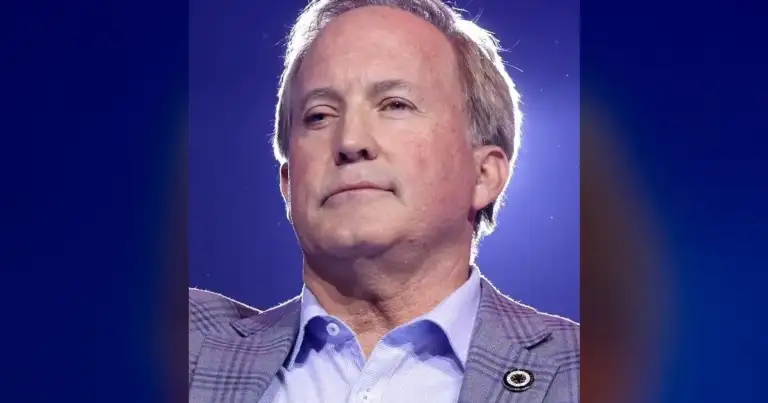
Photo: Wikimedia Commons (query: Ken Paxton)
Source: Google News