
Forget the patio furniture and early beach plans, Massachusetts. This past weekend, Mother Nature delivered a brutal, mid-May reality check, slamming the Commonwealth with a nor’easter that ripped through the state like a freight train. It wasn’t just unseasonable cold and driving rain; forecasters called it a “razor’s edge,” and they weren’t wrong.
May’s Bitter Surprise
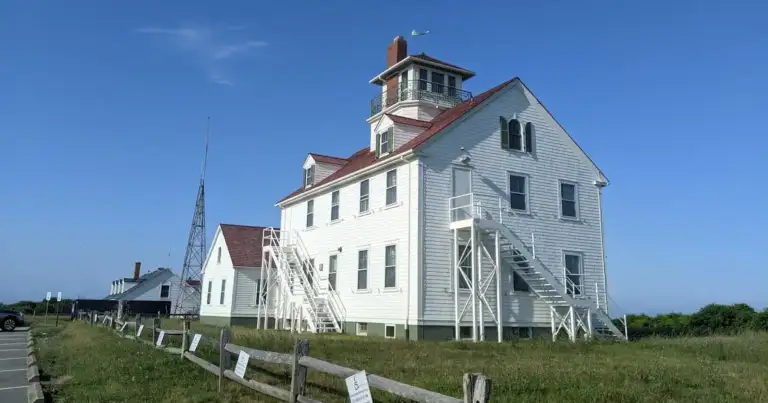
From Friday night through Sunday, this late-season beast unleashed its fury. Sustained winds screamed at 30-50 mph, with gusts pushing past 60 mph on the coast – a staggering 74 mph in Provincetown, 69 in Rockport, and 65 right here in Boston.

Is that a spring breeze, or hurricane-force punishment? While most of us were just getting soaked by 1.5 to 3 inches of rain, parts of the Berkshires were actually seeing wet snow pile up, 3-6 inches in higher elevations. Talk about a twisted sense of humor from the skies, delivering winter in May.
The fallout was immediate and widespread. By Sunday morning, over 150,000 customers across Eastern Mass, Cape Cod, and the Islands were plunged into darkness.
Why? Falling trees, saturated ground, snapped lines – the predictable culprits. Ferry services to the Islands were dead in the water, Logan airport saw delays and cancellations stack up.
Residents like Sarah Jenkins from Plymouth summed up the absurdity perfectly: “We just got our patio furniture out, and now we’re bundling up inside with no heat.” Welcome to May in Massachusetts, where the unexpected has become the norm.
The Predictable Aftermath
Governor Healey declared a limited state of emergency, urging folks to stay home – a familiar refrain. MEMA activated, and utility giants Eversource and National Grid mobilized “thousands of crews,” promising days, not hours, for full restoration.
The meteorologists, bless their hearts, chimed in, calling it “truly exceptional” and a “rare nature” for mid-May. But here’s the kicker: after years of these “exceptional” and “rare” events, when do we stop calling them anomalies and start recognizing a pattern?
“This was an unusual and powerful storm for mid-May,” Governor Healey stated. “Our emergency crews, utility workers, and first responders have been working tirelessly since the storm began, and we ask for continued patience as they work to restore critical services.”
The Red Marker
“Unusual for mid-May.” How many more times will we swallow that line? Every time a storm hits with a vengeance – whether it’s snow in October or a nor’easter in May – it’s always “unusual,” “exceptional,” a “razor’s edge.”
And every single time, we’re told to have “patience” while the power companies dispatch their “thousands of crews.” Let’s be brutally honest: calling these events “unusual” is a convenient dodge, a way to avoid discussing why our infrastructure, particularly the power grid, crumbles so predictably.
The utilities collect their rates, promise upgrades, and then consistently play catch-up, relying on mutual aid and your good graces. Your “patience” isn’t a virtue; it’s a blank check for them to keep reacting instead of actually investing in a grid that can handle what is, increasingly, becoming the usual “unusual” weather.
We pay top dollar for electricity, but get a third-world grid that can’t even handle a strong breeze. That’s not patience; that’s being taken for a ride. It’s time we demand more than platitudes and promises – it’s time for a grid that actually works.
Photo: Timothy Sandland
Source: Google News