
Four lives, extinguished in an instant. This week, the brutal reality of life and death in New Mexico’s vast, unforgiving terrain slammed into us again.
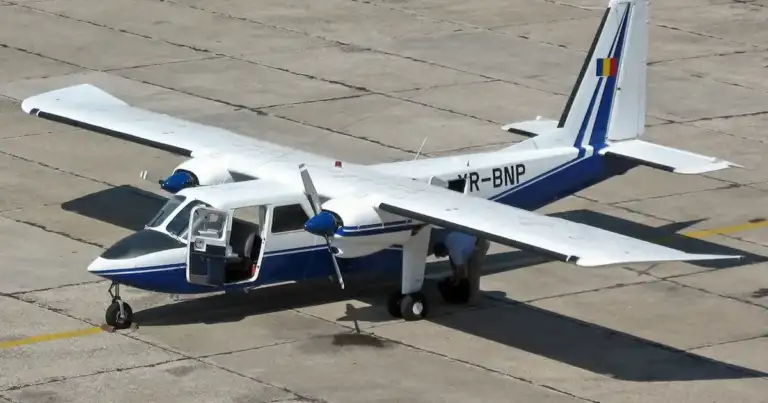
A small medical plane, a literal lifeline for someone desperately needing critical care, vanished from radar in our mountains. It was found hours later as a tragic wreck.

All four people aboard – the pilot, two dedicated medical personnel, and the patient they were racing to save – are dead. It’s a gut punch, a brutal reminder of the unseen, terrifying risks taken daily to bridge the immense distances in our state.
A Race Against Time, Cut Short in Our Skies
Details remain agonizingly sparse, as they always do in these initial, chaotic hours following a catastrophe.
What we do know is that the flight originated from a smaller regional airport. It was likely heading towards a major medical center in Albuquerque, carrying a patient whose condition demanded immediate, specialized attention.
The crash site, located in a remote, high-altitude section of the rugged Sangre de Cristo mountains, speaks volumes about the incredible challenges faced by these air ambulance crews.
They don’t fly in perfect weather, or over flat, open plains. They fly when lives hang by a thread, often through unpredictable mountain winds, treacherous low visibility, and in the dead of night. They are the last-ditch effort, the final hope.
The National Transportation Safety Board (NTSB) and local authorities are already on scene, or en route. They will meticulously pick through the wreckage.
They’ll scrutinize every detail: maintenance records, pilot experience, the precise weather conditions at the time, flight path data. Every piece of twisted metal, every fragment of data, will be analyzed to understand exactly what went wrong.
But for the grieving families involved, and for those of us who rely on these vital services in our sprawling state, the outcome is already tragically clear. Four lives extinguished, a community left reeling, and a harsh, unavoidable spotlight cast on the inherent dangers of these critical missions.
The Unsung Heroes of New Mexico’s Lifeline
These medical flight crews are not just pilots and paramedics. They are the literal last resort for countless individuals in our rural communities.
When a heart attack strikes in a remote village hours from a hospital, or a serious accident occurs miles from the nearest trauma center, it’s these planes and helicopters that become the only viable option.
They are the unsung heroes who routinely put themselves in harm’s way. They manage not just the treacherous skies, but the constant, crushing pressure of time and the fragility of human life itself.
We see the gleaming hospitals, the advanced equipment, but we too often forget the perilous, high-stakes journey that brings patients to them. These are the people who fly into the teeth of danger, day in and day out, so others might live.
This isn’t about blaming anyone. It’s about facing the cold, hard truth of what it takes to provide emergency medical care in a state as vast and challenging as New Mexico. We demand these services, expect them to materialize out of thin air regardless of the conditions, and then, when tragedy strikes, we act surprised. The “Red Marker” here is this: We pay lip service to supporting our frontline healthcare workers, but rarely do we truly acknowledge the actual, physical sacrifices made by those who fly these life-saving missions into the teeth of danger. The financial pressures on these small, often privately-run air ambulance companies are immense, constantly pushing them to maximize flights and routes. We want the service, but do we truly understand – or are we willing to pay – the real cost of making those flights as safe as humanly possible, every single time? — Elena Montoya
Our thoughts, whatever they’re worth, go out to the families of those lost. But thoughts aren’t enough.
It’s time to confront the brutal realities of these essential, high-risk operations. We must ensure that the heroes who undertake them are truly supported and protected, not just mourned after a crash.
We owe them more than just our condolences. We owe them a commitment to making their perilous work as safe as it can possibly be. The lives of our most vulnerable depend on it.
Photo: AB Engblom Ericka
Source: Google News