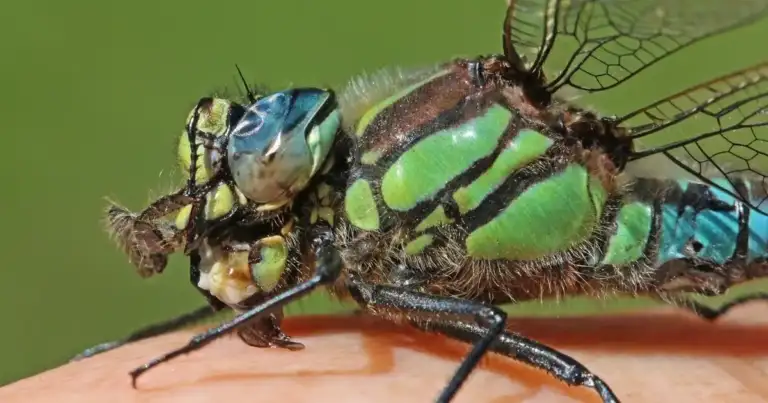

Look closely at your garden, your fields, even the windshield of your car. Something vital is missing in New Mexico, and its absence signals an ecological catastrophe unfolding right under our noses. While politicians and developers chase the next dollar, a new report, highlighted by the Las Vegas Optic, confirms what scientists have screamed for years: our insects are vanishing.
This isn’t some abstract scientific theory or a crisis unfolding in a distant rainforest. This is happening here, in our own backyards, our farms, and our beloved wild spaces.
A groundbreaking study released by UNM and NMSU on May 24, 2026, didn’t just ‘drop the hammer’; it sounded a deafening alarm. It reveals a shocking 40-50% decline in specific insect groups across New Mexico over the last decade.
Our iconic native bees in the Rio Grande corridor, the vibrant butterfly populations gracing our northern mountains – they’re not just declining, they’re vanishing. Erased. Fast.
Who’s Killing Our Bugs?
The culprits are no mystery. Habitat destruction from relentless urban sprawl and unchecked agricultural expansion is gutting their homes, paving over the very ground they need to survive.
Then there’s the chemical warfare: the sheer, overwhelming volume of pesticides. New Mexico’s pesticide sales surged a shocking 12% over the last five years. Let that sink in.
We are actively, knowingly, poisoning the very creatures that underpin our entire ecosystem, the silent workforce that ensures our chile grows and our water stays clean.
And as if habitat destruction and chemical warfare weren’t enough, climate change, with its brutal droughts and scorching extreme heat, is delivering the final, crushing blows. It’s a relentless, multi-front assault.
Dr. Elena Ramirez, lead entomologist at UNM, didn’t mince words. She spoke with an urgency that should shake us all:
“Insects are the foundation of our ecosystems. Their disappearance isn’t just an aesthetic loss; it’s a threat to our food security, water quality, and the very biodiversity that defines New Mexico.”
She’s right, and let’s be clear: these aren’t just ‘annoying little critters’ to swat away. They pollinate our chile, our pecans, our apples – the very staples of our economy and culture.
They clean our soil, decompose waste, and control pests naturally. Without them, our agriculture collapses.
The U.S. relies on insect pollination for an estimated $29 billion annually. New Mexico’s slice of that economic pie isn’t just ‘huge’; it’s critical to our agricultural identity and prosperity.
The Hypocrisy of “Balance”
We hear the excuses, the convenient narratives. Maria Chavez from the New Mexico Farmers Alliance talks about “finding a balance.”
“We rely on certain chemicals to protect our crops. The challenge is finding a balance that supports both agriculture and the environment.”
“Balance”? While pesticide sales surge a staggering 12% and insect populations plummet by 50%? Who benefits from this ‘balance’?
It’s not our farmers, not our environment, and certainly not our future. This isn’t balance; it’s a slow-motion ecological mugging, a convenient, cynical narrative designed to protect immediate corporate profits, consequences for our state be damned.
Urban planners, too, often shrug with dismissive indifference. They’re too absorbed in greenlighting lucrative developments that pave over what precious little habitat remains. For them, insects are a mere ‘externality,’ an inconvenient footnote, not the existential crisis they truly represent.
Our Future, Paved Over and Poisoned
Let’s strip away the euphemisms. This isn’t about accidental harm, some unforeseen consequence of progress. This is about calculated, willful indifference.
The financial incentives for pesticide manufacturers and large-scale agriculture are glaringly clear. The political will to regulate them, to protect our shared natural heritage over corporate quarterly reports? Non-existent.
Our leaders, it seems, would rather watch our ecosystems crumble than dare to cut into a corporate bottom line.
And the public? We remain largely unaware, distracted by the daily grind, while the very foundation of our food, our water, and our environment is systematically ripped out from under us. This isn’t just a decline; it’s a planned obsolescence of nature, a deliberate dismantling of our life support system, driven by myopic, short-sighted greed.
We don’t need more studies to confirm the obvious. We need immediate, decisive action.
We need stringent pesticide bans, not just ‘guidelines.’ We need massive, state-funded habitat restoration, not just token ‘pollinator-friendly’ window dressing.
If New Mexico’s leadership truly cares about the legacy they leave, if they care about the food on our tables and the water in our rivers, they will stop hiding behind platitudes of ‘balance’ and start fighting for our very survival. The alternative? A silent, barren New Mexico, where the only thing thriving is regret.
Photo: Wikimedia Commons (query: New Mexico vanished)
Source: Google News