
Kansas City’s Next Big Play: Can Women’s World Cup Gold Be Mined in the Heartland?
Forget the 2026 Men’s World Cup; Kansas City isn’t waiting for the dust to settle. Our city, with its undeniable swagger, has already set its sights on the next global prize: the 2031 FIFA Women’s World Cup. This isn’t just an ambitious play positioning Arrowhead Stadium as a potential fortress for the U.S. Women’s National Team; it’s a calculated move that demands a closer look, far beyond the glossy press releases.
From 2026 Momentum to Global Ambition
The official narrative? Kansas City is simply leveraging its hard-won 2026 World Cup host city status. Mayor Quinton Lucas, ever the visionary, frames it as a long-term play, declaring, “Kansas City is not just looking at 2026; we are planning for decades of global engagement.” Katherine Holland, Executive Director of the KC2026 World Cup Bid, didn’t mince words, confirming, “The 2031 Women’s World Cup is absolutely on our radar – it’s a natural progression.”
And why wouldn’t it be? The momentum is undeniable. By 2026, the city will have poured monumental resources into infrastructure and logistics, making a 2031 bid not just efficient, but almost inevitable.
More importantly, our local women’s soccer scene isn’t just growing; it’s a legitimate powerhouse. The KC Current, our NWSL team, consistently packs CPKC Stadium, drawing over 11,000 fervent fans per match to the world’s first purpose-built stadium for a professional women’s team.
As Chris Long, co-owner of KC Current, plainly states, “The energy around women’s soccer in Kansas City is palpable.” This isn’t just enthusiasm; it’s a goldmine for FIFA, a ready-made audience eager to fill stadiums.
Arrowhead’s Pivotal Play
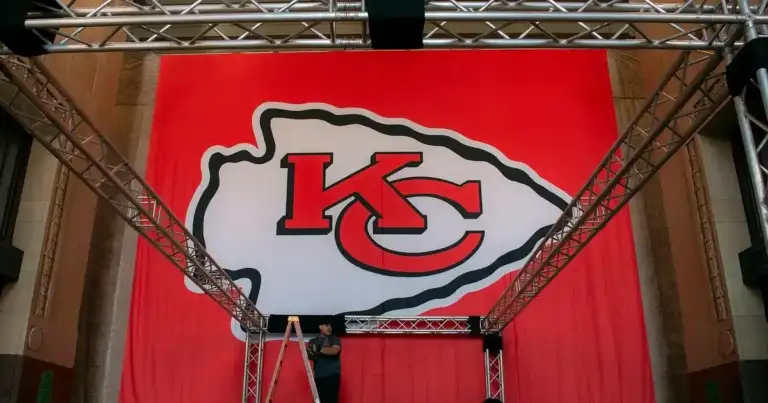
At the heart of this grand vision lies the Chiefs’ Arrowhead Stadium, a venerable titan currently undergoing significant, privately funded renovations. Once complete, its capacity will soar past 70,000, making it an undeniable prime candidate for high-profile matches, including the USWNT’s most crucial contests. These upgrades aren’t just cosmetic; they are specifically designed to meet stringent FIFA standards, transforming Arrowhead into an attractive, ready-made venue for global events.
The economic forecasts are, predictably, dazzling. The 2026 Men’s World Cup alone is projected to inject a staggering $600 million into our regional economy. A Women’s World Cup, while perhaps not quite matching those numbers, would still deliver a substantial, undeniable boost to tourism, hospitality, and countless local businesses.
The official line? It’s a chance to “cement global identity” and “inspire a generation.” Noble sentiments, indeed. But let’s be honest, there’s a lot more at play here than just inspiration.
“Kansas City is not just looking at 2026; we are planning for decades of global engagement. The success of our NWSL team, the investments in our stadiums, and the incredible passion of our fans make us an ideal candidate for future FIFA events, including the Women’s World Cup.” — Mayor Quinton Lucas
The Red Marker Verdict: Beyond the Hype
Now, let’s strip away the civic boosterism and confront the real motive. While the passion for women’s soccer in Kansas City is undeniably genuine—the KC Current’s meteoric rise is proof of that—this 2031 Women’s World Cup push isn’t merely about inspiration. It’s a shrewd, calculated maneuver to secure Kansas City’s economic future and cement its image as a global player, especially when the fate of its premier sporting venue, Arrowhead Stadium, remains a volatile moving target.
The Chiefs, let’s not forget, are actively exploring options for a new stadium. This 2031 bid, with a massively renovated Arrowhead as its proposed crown jewel, serves as potent leverage. It’s a compelling argument for the continued “value” and “necessity” of the stadium, even as the Chiefs’ long-term commitment to the site hangs in the balance.
This is a sophisticated play, masterfully dressing up deep financial and political maneuvering in the vibrant, progressive colors of women’s sports. The city is leveraging the undeniable, organic success of women’s soccer as an ingenious shield to anchor future economic development and civic prestige, all while the complex stadium math for its professional teams continues to shift beneath our feet.
Make no mistake: this isn’t just about hosting a game; it’s about holding onto a significant piece of the global pie and ensuring Kansas City remains indispensable, regardless of what unfolds with its resident NFL tenant.
Kansas City has proven time and again it can execute on a grand scale, and there’s no doubt a Women’s World Cup here would be a premium, unforgettable experience. But let’s be crystal clear: the pursuit of “global identity” is less about altruism and far more about ensuring the cash registers keep ringing and the city’s power brokers maintain their iron grip on leverage.
So, if you want to witness the future of global sports, and perhaps a masterclass in civic strategy, keep your eyes firmly fixed on Kansas City. This isn’t just a bid for a tournament; it’s a bold, calculated statement about who we are, what we value, and where we’re headed. The question isn’t whether we can host the Women’s World Cup, but why we really want to.
Source: Google News