

Upstate vs. Downstate: The Eternal Tug-of-War
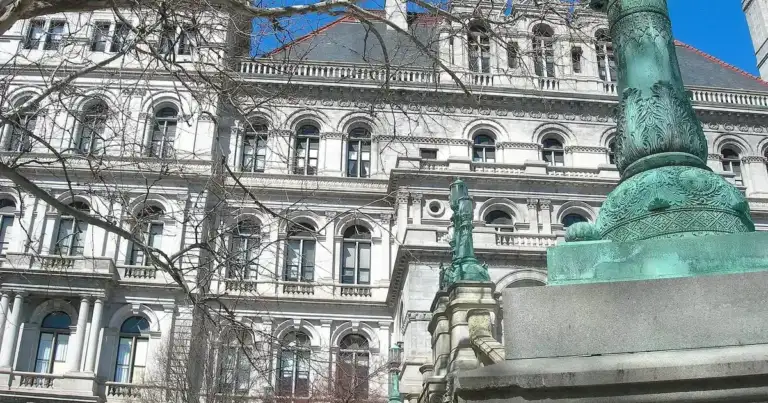
This $8 billion isn’t some benevolent, monolithic check. Instead, it’s a carefully fractured mosaic of allocations, each piece designed to serve a purpose beyond simple community support. How these pieces fall will dictate much about New York’s future, and frankly, who gets to call the shots. Historically, the distribution of state aid has been a brutal political football, with New York City often grabbing the lion’s share. This leaves Upstate regions to desperately clamor for crumbs. This time around, the scrutiny is even higher, and rightly so. Local officials aren’t just looking at the dollar amount; they’re scrutinizing the fine print, the insidious conditions, and the unfunded mandates. This aid is explicitly designed to foster long-term dependency. Is this a genuine investment in our struggling communities? Or is it a cynical deployment of taxpayer funds to shore up political strongholds ahead of the next election cycle? The “assistance” always comes with prescriptive requirements, effectively stripping local control and handing it directly to Albany, piece by agonizing piece.Let’s be absolutely clear: every dollar sent from the state capital is ultimately ripped directly from the pockets of state taxpayers. The notion that this is “free money” is not just a fantasy; it’s a dangerous delusion perpetuated by politicians who want us to forget who pays the bills. This is a redistribution, a shift in burden, or an investment with a very clear, often political, expected return. We, the people, need to be brutally clear-eyed about what this means for our skyrocketing property taxes. It impacts the quality of school programs our kids receive, and the fundamental services our towns struggle to provide. It’s never just about the gross number plastered on a press release. It’s about the net, often devastating, effect on our wallets and the slow, steady erosion of our local autonomy.“The state aid package, while substantial on paper, often serves as a stop-gap measure rather than a fundamental solution, perpetuating a cycle of dependency on Albany’s political will. It’s a classic divide-and-conquer strategy, keeping local governments perpetually looking to the capital for their next handout.”
The Real Cost of “Assistance”
So, what’s the real verdict on Albany’s $8 billion “assistance”? It’s less about genuine help and far more about strategic leverage. This is a classic Albany power play: inject a massive sum of money, cultivate a deep-seated dependency, and systematically solidify its control over local governance. It’s a convenient shield, allowing local politicians to boast about “bringing home the bacon.” Meanwhile, they conveniently sidestep their accountability for sustainable local financing. Don’t mistake this for genuine relief for our communities. This is a political tether, plain and simple, ensuring that local governments remain perpetually beholden to the state. The real, tough choices are made in the capital, not your county seat. It’s a clever way to buy quiet and maintain centralized control, all while leaving fundamental spending problems festering. Ultimately, the taxpayers are still on the hook, just with an extra, expensive layer of Albany bureaucracy standing between their money and their local needs. We deserve better than political maneuvering disguised as aid. It’s time our local leaders demand true autonomy, not just another handout.Source: Google News