
The sun might be peeking through the clouds, but don’t you dare let it fool you. Anyone breathing a sigh of relief right now needs a stark reality check.
The slow-motion disaster that was the Kona Low is finally drifting away. As of Friday, May 10, 2026, we see a gradual easing of the relentless deluge that hammered our islands for 72 hours.

The worst of the direct downpours, especially for Oahu and Maui, might be receding. But make no mistake: this isn’t over. Not by a long shot. The real battle is just beginning.
The Lingering Threat: Ground Zero for Flooding
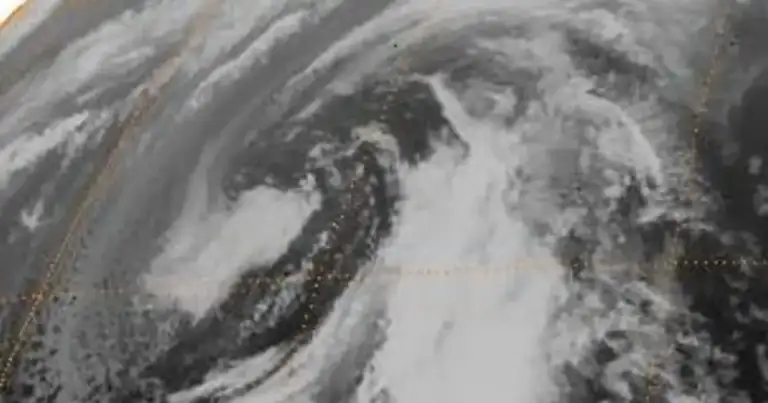
This sluggish Kona Low system relentlessly parked over us since Wednesday, May 8th. It unleashed an absolutely biblical amount of rain.
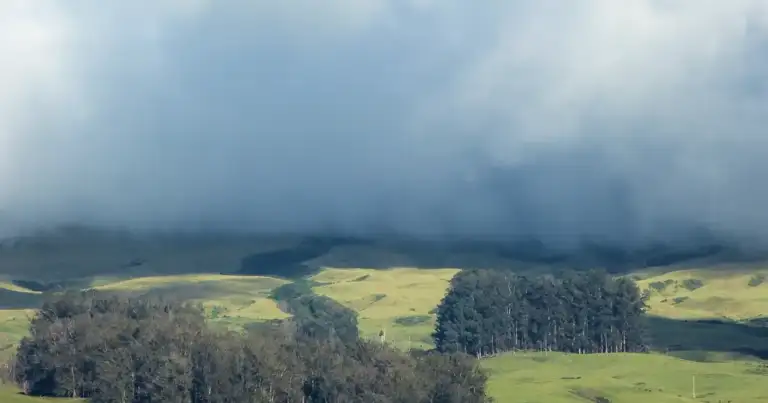
Windward and mauka areas bore the absolute brunt of it, as they always do. The ground is so saturated it feels like a sponge ready to burst.
Streams are overflowing their banks, and hillsides wait for the slightest tremor to give way. The immediate, torrential flash flooding might lessen, but the groundwork for widespread disaster is already laid deep within our soil.
Flood Advisories aren’t just bureaucratic boilerplate; they’re plastered across specific areas for a very real reason. The land cannot absorb another drop.
Every stream, gulch, and low-lying road is a disaster waiting for one more heavy shower. Water creeps relentlessly through an already overburdened, exhausted system.
This isn’t a “return to normal” yet. This is a fragile pause, a critical moment to assess damage and brace for inevitable secondary impacts.
The Unseen Costs: Beyond the Headlines
The immediate panic of the storm might recede from headlines, but the aftermath brings the true, grinding work. Devastating financial costs truly begin now.
Property damage assessments and critical infrastructure repairs are monumental tasks. Dealing with mudslides, debris, and pervasive disruption won’t magically vanish with clearing skies.
Countless residents face a grueling marathon of managing complex insurance claims. They must painstakingly clean up waterlogged homes and grapple with soul-crushing inconvenience.
This isn’t just about ‘getting back to normal’; it’s about rebuilding lives.
And let’s be blunt: the mainstream media narrative is already pivoting to “storm eases,” “sun returns.” Convenient, isn’t it?
This superficial reporting conveniently downplays the very real, ongoing threat to those living in saturated areas. It certainly doesn’t cover the profound financial hit our communities just absorbed.
The real story isn’t the clouds moving away. It’s the undeniable fact that our infrastructure, emergency services, and resilient residents are consistently pushed to their absolute limits.
These limits are tested by increasingly intense and unpredictable weather systems. When national cameras inevitably pack up and leave, who’s left to pick up the pieces?
Not the talking heads on dry, elevated ground discussing “easing conditions.” It’s the locals, plain and simple. They are always the last ones anyone truly looks out for once the immediate crisis passes. We know better.
Stay Vigilant, Stay Informed
While a glimmer of sun is certainly welcome, do not, under any circumstances, drop your guard. Keep a hawk’s eye on local advisories.
Immediately heed warnings from civil defense. Internalize this truth: “eased conditions” do not equate to “no danger.”
The ground is still utterly soaked, and streams are dangerously high. The potential for new trouble remains frighteningly real.
Be vigilant, Hawaii. Be smart. This fight isn’t over just because the rain stopped; it’s merely entered a new, equally critical phase. We must remain united and prepared.
Photo: Wikimedia Commons (query: Kona Low)
Source: Google News