











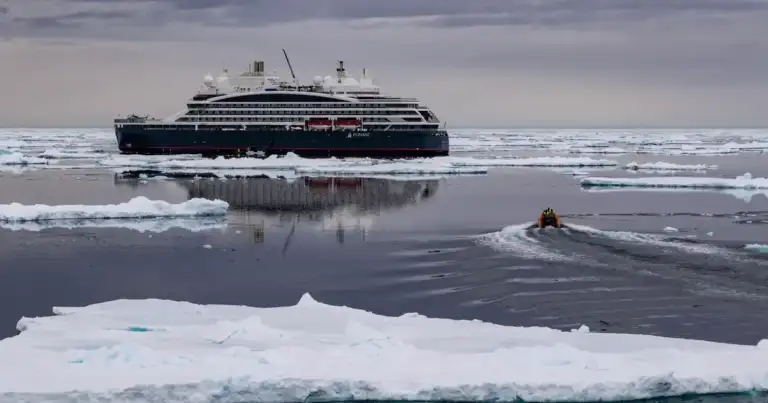

A deadly hantavirus, reportedly carried home by a Virginia traveler returning from a “premium” Antarctic expedition, has landed squarely on our doorstep, shattering the pristine image of luxury polar adventures. While WTVR.com’s details have been agonizingly scarce, the mere specter of such a brutal, exotic illness hitching a ride back to the Commonwealth from a supposedly top-tier journey demands our immediate attention. When you pay for this level of luxury, you expect pristine, not plague.
When “Expedition Luxury” Becomes a Health Hazard
The MV Hondius, a name whispered among the world’s wealthiest adventurers, promises an immersive dive into the planet’s most untouched frontiers. Antarctica, with its stark beauty and raw power, is sold as a sanctuary from the mundane. Yet, the chatter exploding across the internet—Reddit, X, TikTok—paints a far less appealing picture. We’re hearing talk of a “polar death trap” and a “floating biohazard,” with disturbing whispers of rodent nests in the holds and “mouse piss” as the horrifying source of a hantavirus scare. Could your dream trip turn into a viral nightmare?

This isn’t some shoestring budget backpacker tour. Oceanwide Expeditions positions itself at the very pinnacle of adventure travel. You shell out a fortune for this kind of experience, expecting nothing less than meticulous standards, not a biological gamble. The idea that a virus typically transmitted by rodent droppings could fester on a vessel catering to the most discerning traveler isn’t just a gross oversight; it’s a damning indictment of the entire “expedition luxury” model.
The Public’s Verdict: Not Just a Bug, But a Feature?
The internet, that brutally honest town square, has been quick to pounce. One X user, @CruiseKiller69, didn’t mince words:
Oceanwide knew about rodent nests in Antarctica holds—hantavirus from mouse piss is Cruise Ship 101 negligence.
This isn’t just about a disease; it’s about the perceived culpability of an industry that charges a king’s ransom for experiences that should, at the very least, be free of medieval health hazards.
The comparisons to the infamous Diamond Princess debacle during COVID are unavoidable. Passengers pay for exclusivity and escape, only to find themselves trapped in a floating petri dish.
Fox News comments, widely circulated online, savagely dubbed it a “rich-kid plague party,” echoing a deeper resentment towards those who seek out extreme travel and the companies that facilitate it, often with a shocking disregard for basic health protocols hidden behind the polished veneer. Even our own r/nova community meme’d the returnee as “Hanta-Hoosier,” a darkly humorous, yet unsettling, nod to the sheer absurdity of it all.
The Red Marker: Luxury’s Lethal Blind Spot
Here’s the brutal truth: the relentless pursuit of the “ultimate, untouched experience” has become a dangerous loophole for some operators to cut corners where it matters most—basic sanitation and health safety. The financial motive is stark: maximize passenger capacity, minimize less visible maintenance costs, and market the dream. Who’s going to inspect the deepest, darkest recesses of an Antarctic expedition vessel for rodent infestations when everyone’s focused on the majestic glaciers and the celebratory champagne toasts?
This Virginia traveler’s story, while thankfully ending in safe return, rips the sophisticated facade off the “expedition cruise” industry. It lays bare the hypocrisy of paying top dollar for an environment that, in some cases, might be less hygienic than a greasy spoon diner. We’re sold the fantasy of venturing where few have gone, but the real hidden danger might just be the health inspector who never gets to board.
When the allure of exclusivity outweighs fundamental well-being, that’s not adventure; it’s reckless negligence dressed in designer outerwear. This isn’t about avoiding travel; it’s about demanding that “premium” actually means premium, from bow to stern, especially when venturing into the world’s most remote corners. Virginians dreaming of their next grand escapade need to ask themselves: is the thrill of the untouched truly worth the risk of what might be unseen and unsanitary beneath the surface? Demand better. Your health depends on it.
Source: Google News
