

A Familiar, Terrifying Prelude
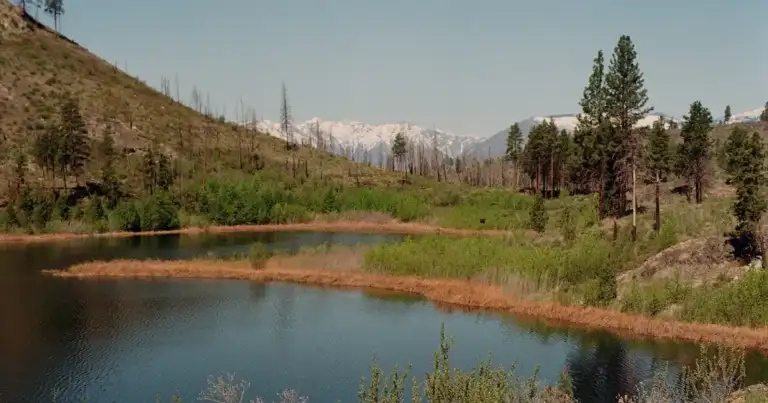
The numbers are stark: 150+ firefighters, 4 helicopters, 6 engines battling a fire likely sparked by “human activity” – read: someone’s carelessness. Level 1 “Be Ready” evacuation notices are out for the Antilon Lake area, a soft warning for a hard truth: people are already packing their “go-bags.” Incident Commander Sarah Jenkins isn’t mincing words, noting “fire behavior typical of mid-July.” It’s May. Let that sink in. Residents like Mary Peterson near Antilon Lake are already gripped by the gnawing anxiety of past infernos like the 2014 Carlton Complex and 2015 Chelan Complex. They’ve seen this movie before, and it doesn’t end well for their homes or livelihoods. The initial suppression costs are already in the hundreds of thousands, a figure that will only climb as the dry fuels and winds continue to mock containment efforts.The Blame Game and the Bottom Line
Environmental groups are quick to point fingers at climate change, pushing for more forest management. And while the planet is certainly warming, it’s a convenient, broad-brush explanation that often obscures the immediate, preventable causes. Meanwhile, local businesses in Lake Chelan, already reeling from previous blows, are watching their vital spring and summer tourism season potentially go up in smoke. Their concern isn’t just for the trees; it’s for their cash registers. The “Early Bloom Fire” isn’t an anomaly; it’s a trend. Our fire seasons are stretching, starting earlier, ending later. Reduced snowpack, higher temperatures – it’s all part of the grim forecast. But while everyone talks about the big picture, the ground-level stupidity that often ignites these blazes gets a pass.The Red Marker
Let’s be brutally honest. When officials whisper “human activity” as the probable cause, they’re often talking about an unattended campfire or a spark from someone’s recreational toy. This isn’t some grand, climate-driven inevitability *in its genesis*; it’s negligence. But instead of focusing on accountability for the sheer lack of common sense that sparks these infernos, the narrative quickly shifts to the “challenging conditions” and the “unprecedented early season.” It’s a deflection. We’re expected to shell out hundreds of thousands, soon millions, for a fire that could have been prevented with a modicum of responsibility. The “Be Ready” notices are less about preparedness and more about shifting the burden of safety onto residents, while the state grapples with the fallout of what’s often just plain carelessness. The real money is spent *after* the fact, not always on cracking down on the stupid actions that start the whole damn thing.Source: Google News