
Aloha kakahiaka, from the islands. Get ready, Hawaii: the Department of Education just dropped a bombshell announcement.
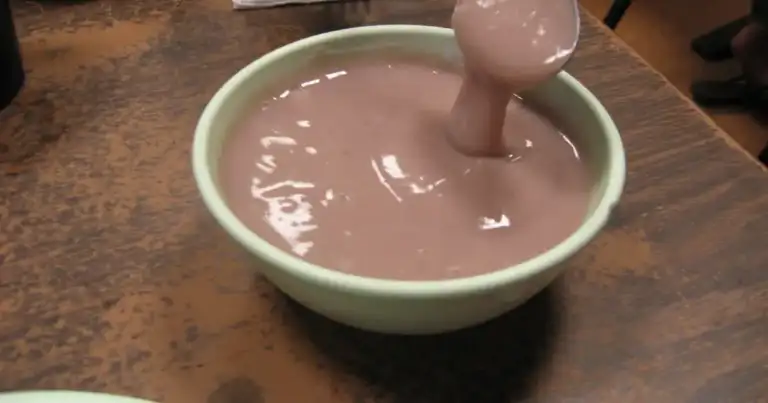
Starting May 1, 2026, poi – our foundational Hawaiian staple – will be a regular, weekly menu item across all 258 public schools statewide.
Our keiki are promised a consistent dose of heritage, a nutritional powerhouse replacing processed fare, and a lifeline for local taro farmers. On the surface, it’s a beautiful vision: children connecting with their culture, healthy, gluten-free carbs on the plate, and our precious agricultural lands revitalized. But is it too good to be true?
A Taste of Tradition, or a Garnish of Good Intentions?
Superintendent Dr. Leilani Kai, in a recent press conference, spoke passionately of feeding “bodies and souls,” strengthening connections to heritage.
“This isn’t just about food; it’s about identity,” Dr. Kai declared. “We are bringing our past into the present, nourishing our children from the inside out.”
Local taro farmers, like Kekoa Pua from Waiahole Valley, echo the sentiment, anticipating a much-needed “lifeline” that will allow them to invest and pass down ancient cultivation knowledge.
“For generations, we’ve struggled,” Pua shared, his voice thick with hope. “This program means we can keep our traditions alive, keep our lands productive.”
Parents, too, express genuine delight at the prospect of culture moving beyond the textbook and onto the lunch tray.
The HIDOE points to pilot program data: 70% of students tried poi, and over half reportedly wanted more.
The numbers, on paper, suggest an undeniable win: a staggering 15,000 to 20,000 pounds of locally-sourced poi weekly, stable contracts for over 30 farms, and federal reimbursements sweetening the deal for the department. It’s the kind of narrative that makes for glowing headlines – a seemingly flawless tale of food sovereignty and cultural renaissance.
Yet, any local worth their salt knows better than to swallow the whole story.
Look past the glossy press release, and a different picture emerges. This isn’t poi’s debut in school cafeterias.
Oahu schools have been “dabbling” since 2023, with poi making sporadic, almost ceremonial appearances – think May Day “schtick” rather than genuine integration. The “carefully curated student testimonials” from these trials often felt less like spontaneous delight and more like a well-rehearsed script, designed for a camera crew.
The Red Marker Verdict: A Bitter Taste of Reality
Let’s be brutally honest, because our keiki deserve the truth.
This “significant move” is less about a genuine cultural revolution in the cafeteria and more about performative virtue signaling dressed up as policy.
The HIDOE isn’t feeding souls; they’re feeding a narrative – a meticulously crafted one, designed to tick boxes for “cultural preservation” and “local economy support.” And let’s not forget the potential: funneling Act 175 pork-barrel cash into a system that’s already proven challenging to scale authentically.
What’s the real motive here, beyond the feel-good headlines? It’s the classic political sleight-of-hand: leverage a culturally resonant item to justify agricultural subsidies and procurement contracts, all under the convenient guise of “strengthening heritage.” Don’t be fooled.
The “logistical challenges” that nutrition experts quietly acknowledge, the whispers of “sporadic and half-assed” implementation during pilot phases, and the all-too-frequent fallback to “sweet potatoes as the sad backup” all paint a clear picture.
This program prioritizes the announcement – the grand photo op – over the sustained, meaningful impact. It’s a prime example of “decolonize the cafeteria” theater, designed to appease specific interest groups and look good on paper, rather than truly embedding poi as a consistent, beloved, and genuinely accessible staple for every child, every week. The mainstream media, eager for a heartwarming story, is missing the point entirely by celebrating the grand gesture, while the reality on the ground often involves a much messier, less consistent, and arguably more cynical implementation.
And let’s talk about this “health boost.” While poi is undeniably nutritious, it’s also expensive – often retailing for $3-5 per pound.
Questions aren’t just lingering; they’re screaming about the long-term sustainability of supply for such a massive program without significant price inflation or a drastic compromise on quality.
It’s not enough to simply get any poi into schools; it needs to be good poi, consistently available, and not just a token gesture that leaves kids wondering what the fuss is all about. Are we truly giving our children a taste of their heritage, or just a watered-down, expensive imitation?
This isn’t about the goodness of poi itself; that’s undeniable.
It’s about the machinery, the politics, and the cold hard cash behind its integration into a public system. Are we truly investing in a profound cultural shift that will nourish generations, or are we just watching another carefully orchestrated photo op that benefits a select few while offering a diluted, inconsistent version of tradition to the many?
We, the people of Hawaii, deserve better than grand announcements and empty promises.
We demand the real deal – genuine commitment, consistent quality, and an authentic connection to our heritage, not just a convenient narrative.
So, the next time you’re at your local farm stand, don’t just buy your produce. Ask the farmers, the very heart of this supply chain, what they really think about the HIDOE’s “grand plan.” Their unvarnished truth might just open your eyes to the bitter reality behind the sweet talk.
Let’s hold our leaders accountable, not just for what they say, but for what they actually deliver to our keiki.
Photo: Wikimedia Commons (query: Hawaii school)
Source: Google News