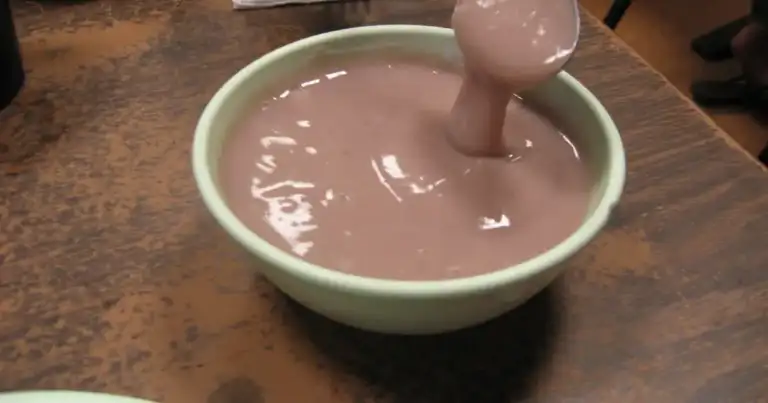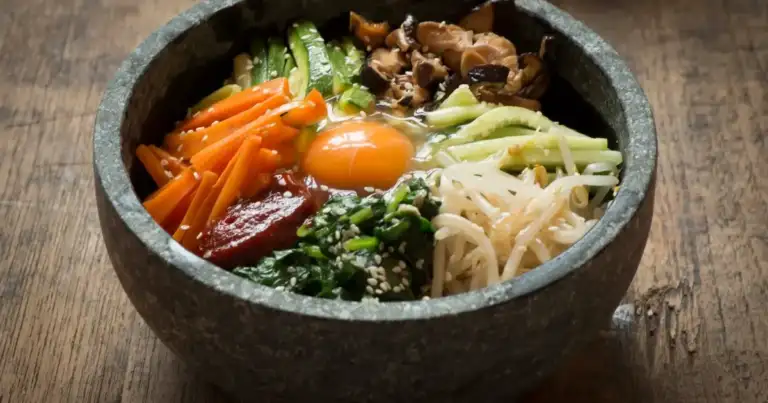

Forget the familiar scent of salt and plumeria. A new, controversial aroma is wafting from Hawaii’s school cafeterias: marinated tofu. The Hawaii Department of Education (HIDOE) is now serving up tofu poke bowls, a move they champion as a stride towards healthier eating and local sustainability for our keiki. But let’s be blunt: this isn’t just about lunch; it’s a cultural battleground.
On paper, HIDOE’s intentions sound noble: tackle childhood obesity, promote plant-based choices, and boost island agriculture. But peel back the layers of polished press releases and you’ll find a raw, seething current of local sentiment. The internet, that unfiltered mirror of public opinion, is ablaze with reactions branding this initiative everything from a “blasphemous desecration” to outright “woke virtue-signaling.” This isn’t a mere menu change; it’s a cultural flashpoint, and HIDOE seems utterly tone-deaf to the uproar.
A Meal or a Message?
HIDOE’s official line is simple, almost robotic: locally sourced tofu, brown rice, fresh vegetables. Superintendent Dr. Sarah K. Tanaka declares,
Our goal is to nourish our students’ bodies and minds.Malia Pono of the Keiki O Ka ‘Aina Food Coalition even labels it a “win-win.” But listen to the actual conversations bubbling up on X and Reddit, and you hear a different story—one of outright disdain. “Tofu poke? Next they’ll swap Spam musubi for cricket patties to ‘save the planet’,” one viral post sniped, perfectly capturing the cynical undercurrent. For many, turning a sacred raw fish ritual into “soy slop” isn’t progress; it’s cultural erasure, or worse, a top-down dictate from detached “blue-haired bureaucrats” who clearly don’t grasp what makes Hawaii, Hawaii.
Even parents like David Chang on Oahu, who acknowledge the intent, voice a stark practical concern:
It’s a good idea, but we need to make sure kids actually eat it and don’t just throw it away.This isn’t some rejection of healthy eating. It’s about authenticity. It’s about acceptance. It’s about respecting the palate and traditions of our own children, not forcing a mainland agenda down their throats.
The Red Marker Verdict
My Red Marker verdict is unambiguous: this initiative has little to do with the nutritional well-being of Hawaii’s children. It’s a cynical play for optics, federal funding, and hitting arbitrary “sustainability” targets. HIDOE has a stated goal to source at least 30% of its school lunch ingredients locally by 2030. This tofu poke conveniently—too conveniently—ticks multiple boxes on a bureaucratic checklist, no doubt unlocking grants and favorable headlines for “progressive” initiatives from distant funders.
The hypocrisy is glaring, almost laughable. To claim “cultural relevance” while utterly disregarding the deep cultural connection to authentic poke—a dish synonymous with Hawaii’s ocean bounty, our very identity—is a misstep that borders on insult. The real “villain” isn’t tofu itself, nor is it the idea of healthier eating. It’s the institutional detachment, the bureaucratic arrogance that prioritizes a pre-approved narrative over genuine community understanding and student palatability. Who wins here? Perhaps the local farmers and tofu producers who genuinely see an economic boost, a rare tangible benefit in an otherwise performative, virtue-signaling exercise.
The Plate Audit Charade
Here’s the million-dollar question, the one that exposes all the PR spin: Are our children actually eating these “healthier” options, or is it just more food waste destined for the landfill? Initial observations are, predictably, grim. While a handful of students might tolerate it, countless others, especially the younger ones, are reportedly pushing it aside. HIDOE, in its infinite wisdom, claims it’s “monitoring” food waste with plate audits and surveys. A bureaucratic smokescreen, if you ask me.
Let’s be clear: this “monitoring” is nothing but a bureaucratic fig leaf. If students aren’t eating it, it’s not healthy; it’s expensive garbage piling up in our schools. The “phased rollout” isn’t about refinement; it’s a damage control strategy, designed to manage the inevitable backlash as perfectly edible, yet unwanted, food finds its way to the trash bins. This is a textbook example of good intentions gone horribly wrong, where policy-driven financial incentives brazenly overshadow the true needs and authentic tastes of our community.
Hawaii’s children deserve genuinely nourishing, culturally resonant meals that celebrate our heritage, not erase it. This tofu poke bowl, however well-intentioned its architects claim it to be, is a forced fit, a glaring example of how institutions prioritize external validation and grant money over the authentic pulse of these islands. So, I ask you: Is HIDOE truly feeding our kids, or are they just feeding a narrative that serves themselves?
Photo: Wikimedia Commons (query: Tofu schools)
Source: Google News