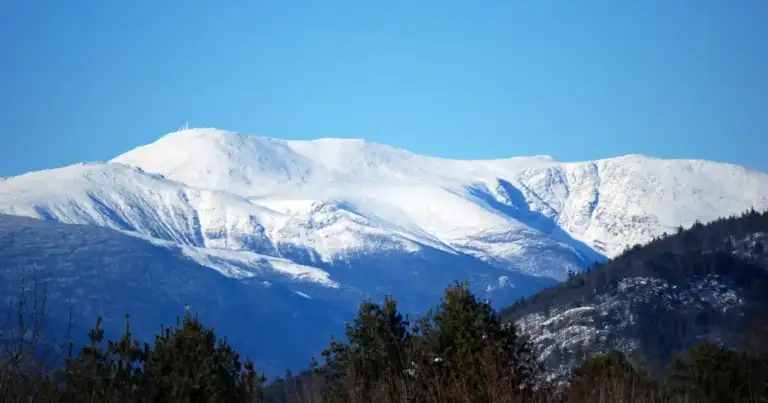

Another Friday, another preventable crisis in the Berkshires, another staggering bill for taxpayers. Last week, 42-year-old Eleanor Vance of Pittsfield became the latest statistic, found disoriented and mildly hypothermic on Mount Washington after losing the trail and watching her phone battery die a slow, agonizing death.
Massachusetts State Police Air Wing, those indispensable heroes in the sky, deployed thermal imaging to locate Vance near the Alander Mountain Trail, a mere two miles from the New York border.

Ground crews from the Mount Washington Fire Department and the DCR then undertook the arduous task of hauling her out. By 5 PM, Vance was safe, assessed, and released – no serious injuries, just a dose of exposure and dehydration.
Twenty dedicated personnel, several precious hours, all for a hike gone wrong. Sounds like a textbook rescue, right? The kind of story the local news loves to package up with a warm, fuzzy bow.
The Real Cost of “Just a Hike”
But let’s peel back that feel-good layer, shall we? This isn’t an isolated incident.
The Massachusetts DCR reported a concerning 15 hiker rescues in Berkshire County alone last year, a sharp increase from 12 the year before. That’s a steady, unsustainable drain on manpower, specialized equipment, and public funds.
Sergeant David Procopio of the State Police highlighted Vance’s luck:
“Vance was fortunate that she had cell service,” Sergeant David Procopio of the State Police stated.
Fortunate indeed. But let’s get real: relying on a rapidly draining cell phone as your sole survival tool in the wilderness isn’t preparation; it’s dangerously naive magical thinking.
Chief Robert Jenkins of the Mount Washington Fire Department rightly highlighted the “quick coordination” of our emergency services. And yes, our first responders are absolutely top-notch.
They train rigorously for these situations, they put their lives on the line without hesitation.
But when the average cost of these operations can run into the tens of thousands for complex, multi-agency efforts involving air support – a cost that often includes overtime, fuel, and equipment wear-and-tear – you have to ask: who’s footing this exorbitant bill? We are. The taxpayers.
And those Mount Washington Fire Department volunteers? They’re sacrificing their own time, their own precious Fridays, to clean up preventable messes. Is it fair to them? Is it fair to us?
Red Marker Verdict: The Price of Ignorance
Don’t let the mainstream narrative gloss over the actual cost here. This isn’t just a story about a successful rescue; it’s a story about a systemic drain on our collective resources.
Every time someone ventures into the unpredictable wilds of Massachusetts – especially in the deceptive chill of early May – without basic, non-negotiable gear like a physical map, a reliable compass, a powerful headlamp, and a fully charged external battery for their phone (not as a primary tool, but as a last resort), they’re not just risking their own neck.
They’re gambling with public funds, diverting essential services, and consuming the precious time of dedicated first responders.
The hypocrisy is glaring: we laud the rescuers as heroes, but we rarely call out the sheer negligence and lack of foresight that necessitates these rescues in the first place. The real financial and human resource burden falls squarely on emergency services and, by extension, every citizen who funds them. It’s not a “cost of doing business” in a state with great hiking; it’s an avoidable cost of widespread, stubborn, and frankly, selfish unpreparedness.
This isn’t about shaming one individual; it’s about waking up to a dangerous, costly pattern.
Our mountains aren’t theme parks where a smartphone is your only safety net. They demand respect, rigorous preparation, and a healthy dose of analog common sense.
How many more Fridays will we foot the bill for preventable mistakes? Until we get serious about personal responsibility, expect more thousands spent, and more volunteers sacrificing their weekends because someone thought a mild spring day meant they could wing it.
The mountain doesn’t care about your Instagram post. It just waits, but our patience and resources shouldn’t.
Source: Google News