
Oregonians, get ready for another dose of federal bureaucracy leaving our state out to dry. Just months after devastating winter storms ripped through the coast last December, FEMA – your Federal Emergency Management Agency – has formally slammed the door on $45 million in critical hazard mitigation funds Oregon desperately needs. Let’s be clear: this isn’t just about paperwork; it’s about leaving our communities exposed and vulnerable, again.
FEMA’s Short-Sighted ‘Analysis’
The Oregon Office of Emergency Management (OEM) got the official word on April 27: application denied. That $45 million was earmarked for projects that aren’t flashy but are absolutely essential: strengthening seawalls, fixing stormwater systems in places like Lincoln and Tillamook counties, and upgrading early warning systems. These are the kinds of investments that prevent future catastrophe, not just clean up after it.

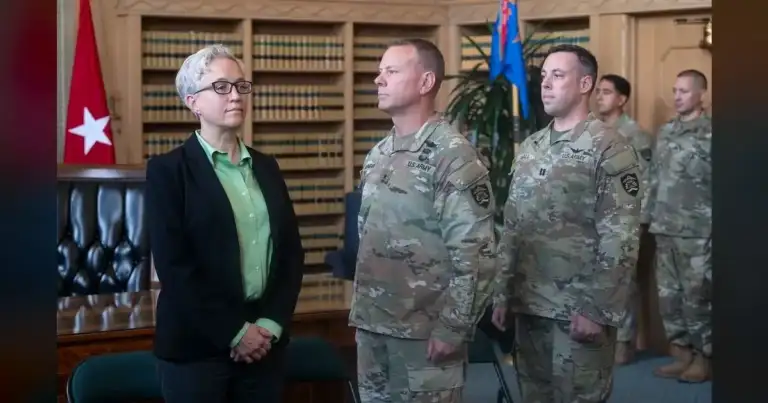
FEMA’s official line? “Insufficient cost-benefit analysis” and a “lack of direct alignment with federal priorities for immediate post-disaster recovery.” Governor Tina Kotek didn’t mince words, calling the decision “short-sighted.” OEM Director Andrew Phelps is scrambling an appeal, as if begging for common sense funding should be part of a state’s disaster response plan. Local leaders are rightly fuming, staring down the barrel of another storm season with federal help snatched away.
The Real Price of Bureaucracy
Oregon has a history with these brutal winter storms. We know the cost, both human and financial. The December 2025 storms alone racked up over $150 million in damage. Common sense dictates that spending $45 million now to prevent hundreds of millions in future damage is a no-brainer. But common sense rarely dictates federal policy.
RED MARKER VERDICT: Let’s cut through the bureaucratic fog. FEMA’s rejection isn’t about some precise, dispassionate algorithm. It’s about a federal system designed to react, not to prevent. It’s easier for Washington to approve immediate, visible recovery dollars after a disaster strikes – when the cameras are rolling and the damage is undeniable – than to fund proactive, long-term mitigation. Why? Because rebuilding looks like action, and prevention, by its very nature, means nothing happens. There’s no grand photo op for a seawall that held. This isn’t about ‘cost-benefit analysis’ for Oregon; it’s about FEMA’s internal political and budgetary calculus, shifting the burden of true resilience back onto state and local taxpayers. Oregonians are being told to pay for the cleanup later because preventing it now doesn’t fit the federal narrative of immediate, heroic response.
So, what’s next? Oregon will appeal, likely spending more taxpayer dollars just to argue for the right to protect itself. Meanwhile, coastal communities face the next storm season with the same vulnerabilities, but now with a clear message from Washington: good luck. The financial burden will land squarely on Oregonians, either through higher local taxes or devastating losses when the next big one hits. It’s a raw deal, plain and simple, and it proves that when it comes to climate resilience, the feds are still operating with their heads firmly in the sand.
Source: Google News