
Forget the pleasantries, forget the reassurances. The ghost of a conquered disease isn’t just haunting Rhode Island; it’s breathing down our necks.
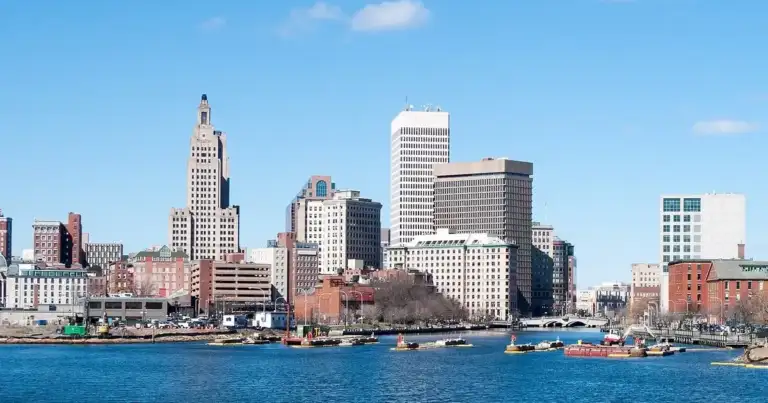
Measles, a virus we thought we’d banished to the history books, has officially resurfaced in Providence County. The Rhode Island Department of Health confirmed it on April 19, 2026.

An unvaccinated adult is now isolating at home, stable, but the damage is already done. This isn’t just a sick person; it’s a blaring siren, a stark reminder of how quickly we can slide backward when we get complacent.
The Return of the Supposedly Conquered
Measles. Remember when we stamped that out? The U.S. declared it eliminated in 2000.
Twenty-six years later, this insidious virus is making a comeback tour, one unvaccinated host at a time. It threatens to unravel decades of public health progress.
This isn’t some isolated incident we can sweep under the rug. The Rhode Island Department of Health (RIDOH) is already scrambling with urgent contact tracing.
They are pinpointing potential exposure sites that hit disturbingly close to home: a grocery store in North Providence and a public transit bus route on April 16-17. Let that sink in for a moment.
A disease once relegated to dusty history books is now potentially riding your bus route, browsing your produce aisle, lurking in the places you frequent every day. It’s not just “out there”; it’s right here, among us.
The medical community isn’t just “concerned”; they are outright exasperated, frustrated to their core. Why?
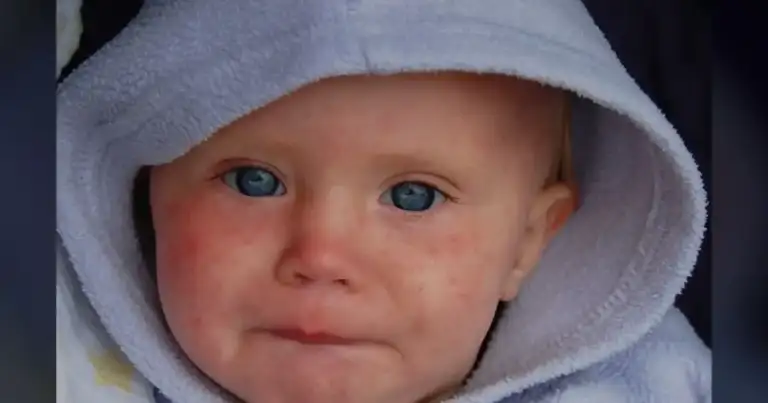
Because measles isn’t just a benign rash; it’s a highly contagious beast with an R0 of 12-18. That’s not a statistic to gloss over.
It means one infected person can easily, frighteningly, spread it to over a dozen others if they’re not immune. We’re talking about a virus that can inflict pneumonia, dangerous brain swelling, and permanent damage – even death.
This isn’t a game for the casual skeptic; it’s a grave threat. We are paying the price for complacency.
Rhode Island’s Self-Inflicted Wound
So, how, in the name of public health, did we get here? While Rhode Island generally boasts strong vaccination rates, preliminary data for 2025-2026 kindergarteners reveals a critical flaw.
Our MMR rate sits at around 93%. Sounds good, right? Wrong. Dead wrong.
The Centers for Disease Control and Prevention (CDC) unequivocally recommends a minimum of 95% for robust herd immunity. This invisible shield protects our most vulnerable.
That two-point gap isn’t just a number; it’s our glaring vulnerability. It’s the crack in the armor, an open invitation where measles can not only sneak back in but thrive, putting our entire community at risk.
Public health officials, bless their tireless efforts, are doing their job: issuing urgent alerts, pushing the proven power of vaccines.
But let’s be brutally honest: a vocal, misguided portion of the public – the vaccine-hesitant – will simply shrug this off. They’ll dismiss it as an anomaly.
They invent reasons to question the data, or cling desperately to debunked theories propagated by online echo chambers. All the while, they are willfully putting the rest of us squarely in the crosshairs.
This includes defenseless infants too young for the vaccine and our immunocompromised neighbors. Their “personal choice” becomes a public menace.
THE RED MARKER
Here’s the stark reality nobody in the mainstream wants to scream: This single measles case isn’t just a medical inconvenience; it’s a substantial financial drain directly attributable to a preventable immunity gap. Public health responses to a single measles case can cost tens, even hundreds of thousands of dollars. That’s your tax money, folks, diverted from other critical services – from education, from infrastructure, from mental health programs – all to track down a disease we already eradicated. The mainstream media will dutifully report on “a confirmed case” and “public health efforts.” But they’ll miss the glaring, infuriating point: we are literally paying – out of our own pockets – for the devastating consequences of a vocal minority’s refusal to protect the collective. This isn’t about personal choice when your “choice” forces the entire state to shell out precious cash and puts its most vulnerable citizens directly at risk. The hypocrisy is galling: those who dismiss the vaccine are often the first to demand full public health support when their “choice” inevitably leads to crisis. It’s a collective burden for individual negligence, and make no mistake, we’re all footing the bill.
So, what’s next, Rhode Island? Do we sit idly by and watch preventable diseases claw their way back, draining our resources and endangering our children?
Or do we demand accountability and ensure our communities are shielded by the robust immunity we once achieved? The choice, and the responsibility, is ours.
Let’s not let a vocal minority dictate the health and financial future of our state. Get vaccinated. Protect our state.
It’s not just a personal decision; it’s a civic duty.
Source: Google News