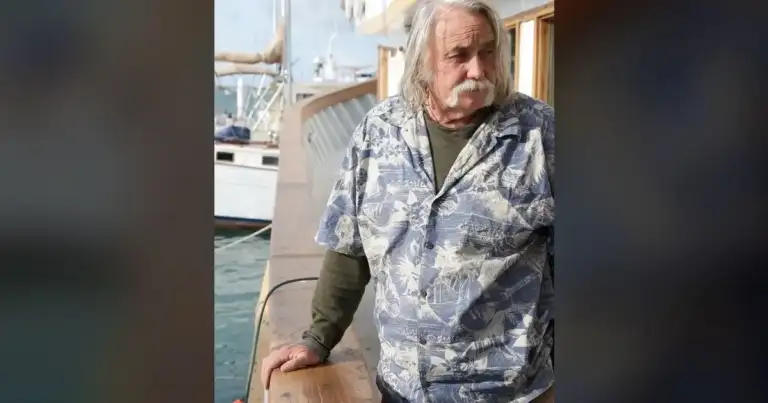

Another dark cloud hangs over New Mexico’s fight scene. Tim “The Dirty Bird” Means, the veteran UFC welterweight whose name is practically etched into Albuquerque’s rugged MMA landscape, was arrested at his home here in the state just days ago. While specifics from law enforcement remain frustratingly tight-lipped, KOAT broke the news, confirming this isn’t some minor infraction. This isn’t a parking ticket; this is a high-profile athlete facing serious allegations, and the silence only screams louder.
Means has spent over a decade inside the Octagon, carving out a respectable 33-15-1 record. He’s a true New Mexico fighter on the global stage, a product of our prominent gyms, embodying the grit our state prides itself on.

For many, he’s more than just an athlete; he’s a local legend. But let’s be blunt: local hero status offers no shield from the long arm of the law. It doesn’t erase consequences, and it certainly doesn’t excuse alleged actions, no matter how much we might wish it did for someone we’ve cheered for.
A Familiar Pattern?
This isn’t Means’ first rodeo with the law, and that’s precisely why this arrest stings differently. In 2016, he was arrested right here in Albuquerque on a battery charge tied to a domestic dispute.
The UFC, with its much-touted “Athlete Conduct Policy,” swiftly suspended him, only to quietly reinstate him once those charges were dismissed. That specific history casts a long shadow over this new situation.
It means the UFC, fans, and most importantly, law enforcement, are not just watching – they’re scrutinizing. Is this an isolated incident, or are we finally seeing a troubling pattern that was previously ignored, or worse, deliberately swept under the rug?
The UFC’s Tightrope Walk
The Ultimate Fighting Championship perpetually beats the drum about its “Athlete Conduct Policy.” Let’s be clear: this isn’t some moral compass. It’s a corporate shield, meticulously crafted to safeguard their brand and, more importantly, their bottom line.
Any arrest, particularly if it involves allegations of violence, can trigger an immediate interim suspension. It’s not about justice for the victim or rehabilitation for the fighter; it’s about public perception and mitigating colossal liability.
Means is an active fighter, which means his career, his contracts, and the significant money tied to both are now squarely in the crosshairs. The UFC isn’t watching out of genuine concern for Tim Means the man; they’re assessing Tim Means the asset, calculating precisely how much damage this latest incident might inflict on their meticulously protected empire.
The Red Marker
Let’s cut through the noise. When a local hero like Tim Means gets arrested, the mainstream narrative often leans into the tragedy, the “fall from grace,” or the “we must wait for all the facts.” That’s weak.
The reality? This isn’t just about one man’s struggles; it’s about the transactional nature of fame and how quickly public goodwill evaporates when the narrative shifts.
For the UFC, this is a raw business calculation: how much is “The Dirty Bird” worth now that he’s potentially “The Detained Bird”? His value, both as a fighter and a brand ambassador, just plummeted.
The real story isn’t the arrest itself; it’s the immediate scramble for damage control and the cold, hard assessment of financial and reputational risk that begins the second the handcuffs click. For the fans who cheered his every punch, many will now just shake their heads, conveniently forgetting the human behind the highlight reel. Justice, if it comes, will be a distant second to protecting the brand.
So, as the details slowly emerge, the question for New Mexico isn’t just what happened in Tim Means’ home. It’s about what we, as a community that champions its own, choose to value: the fleeting glory of a fighter, or the unwavering standard of accountability? The “Dirty Bird” might be grounded, but the fallout from this latest incident will ripple through our local fight scene for a long time to come, forcing us all to confront uncomfortable truths about our heroes and the institutions that profit from them.
Source: Google News