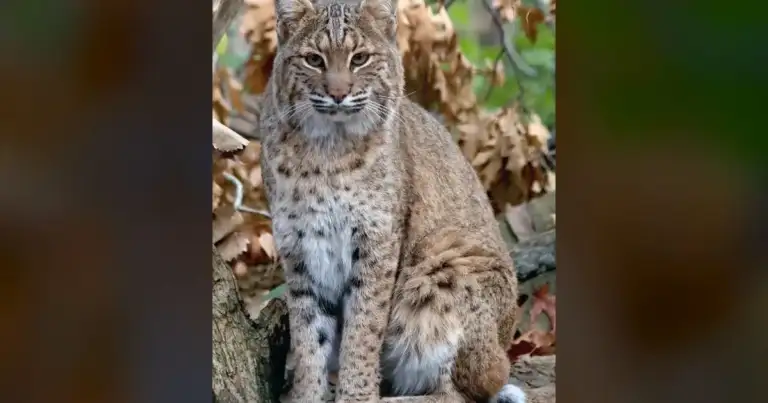

Forget the fuzzy pictures and the “awww” factor. Two bobcat kittens, once just days from death in Southwest Virginia, are now back in the wild. But this isn’t some effortless triumph of nature or a whisper of resilience; it’s a stark, expensive reminder of the relentless human fight required to keep Virginia’s wild places from becoming just another paved-over memory.
From Orphaned to Apex Predator: An 11-Month Battle
It’s been nearly a year since two female bobcats, mere bundles of fur, showed up at the Southwest Virginia Wildlife Center of Roanoke. One was found near Roanoke, the other in Montgomery County. Both were orphaned, severely underweight, and dehydrated.
Left to nature’s harsh hand, they were dead cats walking, doomed to starve. But in this critical instance, nature received a very expensive, very deliberate helping hand.
For eleven grueling months, the dedicated team at the Wildlife Center became surrogate mothers, meticulous dieticians, and wilderness coaches. Their mission was clear: prepare these fragile creatures for a brutal, independent existence. This wasn’t about cuddling; it was about survival.
Specialized food regimens, minimal human contact, and massive outdoor enclosures honed their killer instincts. This was absolutely crucial for ensuring they didn’t become some pet owner’s next mistake.
By last week, when they were finally released into a sprawling national forest in Southwest Virginia, they weren’t kittens anymore. They were 20-25 pound, instinct-driven predators, primed to hunt and thrive.
DWR officials and conservation groups are, predictably, thrilled, hailing it as a win for biodiversity and a natural check on deer and rodent populations. Locals, however, might be less thrilled, quietly wondering if their chickens will pay the price. And honestly, who can blame them for asking?
The True Cost of ‘Wild’: Beyond the Feel-Good Story
This isn’t cheap. Not by a long shot. The Southwest Virginia Wildlife Center, like countless other vital organizations across the state, runs on a shoestring budget fueled by donations and sheer grit.
Rehabilitating a bobcat for almost a year means thousands of dollars per animal – a staggering investment. This includes highly specialized food, round-the-clock veterinary care, and costly maintenance of large, predator-appropriate enclosures.
This isn’t just some casual sideline; it’s a full-time, high-stakes operation. It places immense financial and emotional demands on its staff and volunteers.
Virginia’s bobcat population is thankfully stable, even increasing since the 1970s thanks to past conservation efforts and stricter hunting regulations. However, that stability is not a given; it’s maintained, managed, and paid for.
The rigorous process, including providing live prey for hunting practice, isn’t just for show or some academic exercise. It’s the stark, brutal difference between releasing a bobcat that will starve in a week and one that stands a real chance at carving out a territory.
This isn’t just a “soft release”; it’s a calculated gamble. It’s backed by immense investment in time, expertise, and hard cash, all to ensure these magnificent animals don’t become just another forgotten statistic.
The Price of a Picturesque Wild
Let’s be blunt: When the mainstream media gushes about “nature’s resilience” and “wild beauty,” they’re often glossing over the sheer, grinding, human-funded effort behind it. These bobcats didn’t just ‘bounce back.’ Dedicated humans dragged them back from the brink, pouring thousands of donated dollars into their survival.
This isn’t some effortless ecosystem correcting itself. Instead, it highlights the fact that much of our ‘wild’ in Virginia, beautiful as it is, requires constant, active, and expensive human intervention to stay that way.
The feel-good narrative neatly sidesteps the relentless fundraising, the long hours, and the hard cash that makes these “natural” successes possible. It’s not just a win for nature; it’s a win for the people – the unsung heroes and their wallets – committed to keeping our backyard from becoming completely sterile.
Without their unwavering commitment, these stories of survival simply wouldn’t exist. It’s time we acknowledged that the wild isn’t free; it comes with a hefty price tag, and we, as a community, are continually asked to pay it.
Source: Google News