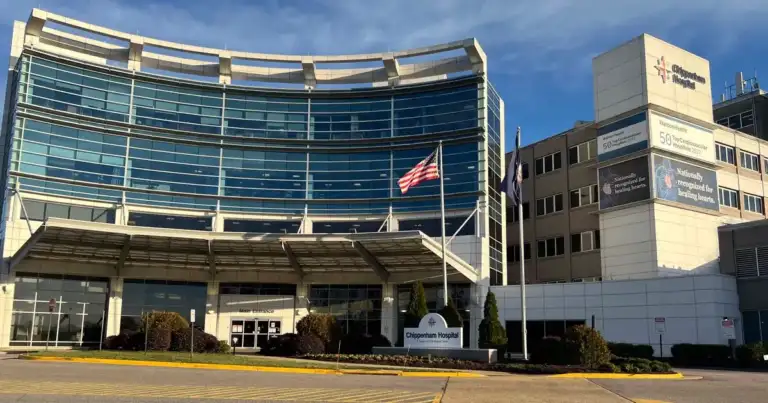

Forget the polite chatter and the hand-wringing. Virginia’s rural health crisis isn’t coming; it’s here, and we’re staring down the barrel of thirteen rural hospitals on the brink of collapse across this Commonwealth. Thirteen. That’s not a statistic; that’s a damn emergency for millions of Virginians who rely on those doors staying open.
A report from 2023 starkly detailed the brutal truth, but apparently, some folks in Richmond needed another couple of years to decide it was serious. Now, we’re hearing the familiar drumbeat of legislative debate. Just days ago, the General Assembly’s Joint Commission on Health Care finally addressed a proposed amendment to the state budget: a paltry $50 million for a “Rural Hospital Sustainability Fund.”

Band-Aid on a Gaping Artery?
Delegate Sarah Chen, bless her heart, stood up and said the quiet part out loud: “We cannot afford to let our rural communities lose access to critical care. The financial pressures on these facilities are immense, and without proactive state intervention, more closures are inevitable.”
She’s not wrong. When a rural hospital shutters, it’s not just a building that closes.
It’s an ER that’s now an hour further away. It’s a birthing center gone, forcing expectant mothers to trek county lines.
It’s mental health services evaporating into thin air. This isn’t just about healthcare; it’s about the literal survival of these communities, their very heartbeat.
But let’s be blunt: $50 million, while a start, feels like a Band-Aid on a gaping arterial wound.
The systemic issues—cripplingly low reimbursement rates, chronic staffing shortages, crumbling infrastructure—these aren’t magically fixed by one budget allocation.
These hospitals have been bleeding for years. Politicians are only now getting around to applying a tourniquet when the patient is already going into shock.
What took them so long?
The Real Price of Inaction
For too long, the rural health crisis has been treated like a distant problem, something for “those people” out in the sticks.
But the ripple effects of these closures hit everyone. It strains urban hospitals that see an influx of transferred patients, stretching their resources thin.
It stifles economic development in areas desperate for stability, turning potential growth into ghost towns.
It widens the already vast chasm between Virginia’s prosperous urban centers and its struggling rural heartland, creating two Virginias.
The truth is, this isn’t some unforeseen disaster. We’ve watched it coming, slow-motion, for years. And now, the bill is due.
Red Marker Verdict: The “Rural Hospital Sustainability Fund” is a classic political maneuver: just enough money to show they’re “doing something,” but nowhere near enough to actually solve the problem.
It’s a photo op for the lawmakers who want to look concerned, while the broken financial system that’s crushing these hospitals remains untouched.
They’re not saving these hospitals; they’re buying themselves time. They are hedging against the immediate political fallout of a complete collapse without truly committing to the costly, long-term structural changes needed.
Don’t mistake a gesture for a solution. This fund is a temporary reprieve, not a cure.
The real fight for rural Virginia’s healthcare is far from over, and $50 million won’t cut it.
Virginians deserve more than political theater; they deserve access to care. When will our leaders finally deliver?
Photo: Wikimedia Commons (query: Virginia hospitals)
Source: Google News