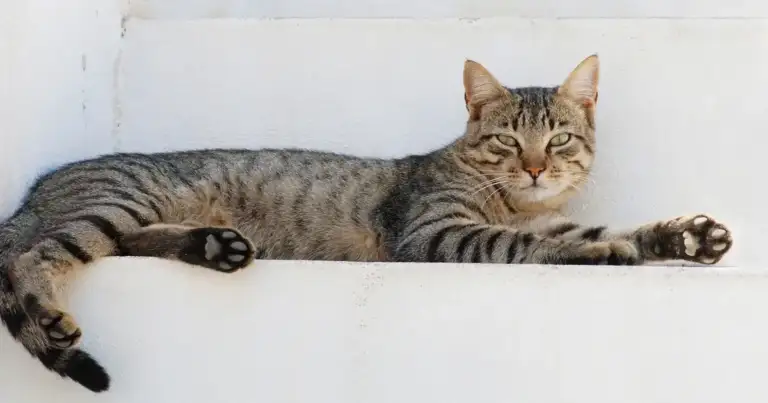

A Brooklyn cat, missing for a grueling three months, has defied all odds, turning up nearly 50 miles away in Westchester County. This improbable reunion has brought immense relief to his owners and sharply reminded us of the harsh realities of pet reunification in New York. Whiskers, a distinctive tabby from Bay Ridge, vanished in late January, leaving the Chen family clinging to a desperate hope that he’d somehow find his way back.
The Long Road Home: From Brooklyn to Yonkers
For weeks, the Chens did everything right: putting up flyers, blanketing social media, checking every local shelter. As any pet owner who’s faced this agony knows, the odds dwindle with every passing day.

Then, on April 23rd, a vigilant Yonkers resident spotted a cat matching Whiskers’ description. A quick call to the Yonkers Animal Shelter, a routine microchip scan, and suddenly, the impossible became concrete. Whiskers was identified, linked directly back to his Brooklyn family.
“When we got the call from the Yonkers shelter, we were in complete disbelief, then absolute elation,” said Maria Chen. “We honestly thought we’d never see him again. The idea that he traveled all that way, or perhaps hitched a ride, is just incredible.”
Did Whiskers walk? Unlikely. More probable, he hitched a ride, an accidental stowaway in a truck or car heading upstate.
The specifics of his journey remain a mystery. This is a common enough occurrence in the vast, complex urban sprawl of New York. But the outcome is undeniable: he made it, against all expectations.
The System at Work: Microchips Aren’t Magic, They’re Mechanics
This isn’t just a charming story; it’s a blunt reminder of how animal welfare infrastructure actually functions across New York. The Yonkers Animal Shelter’s diligence in scanning for a microchip wasn’t a miracle; it was standard, professional procedure. The microchip itself isn’t a GPS tracker; it’s a tiny, passive identifier that requires human intervention and a functional system of registries and shelters working together.
NYC Animal Care & Control and local advocacy groups don’t just suggest microchips; they practically shout it from the rooftops: a microchip is your pet’s single best chance at coming home. But that shot only lands if the contact information is current. Outdated details render the chip useless, turning a potential reunion into another lost cause for already overwhelmed shelters.
The Chen family, naturally, has updated Whiskers’ information and is urging other New Yorkers to do the same. This isn’t about sentimentality; it’s about essential precaution for pet owners and operational efficiency for the shelters tasked with managing the endless stream of lost and abandoned animals.
Red Marker Verdict: It’s Not a Fairy Tale; It’s a Transaction
Let’s be clear: Whiskers’ return isn’t some heartwarming story of destiny. It’s proof that the system works, when every piece does its job.
A responsible owner chipped their pet. A vigilant citizen saw something and acted. A diligent shelter followed protocol.
The “hope” and “enduring power” are nice sentiments. But the reality is that without that microchip and updated contact information, Whiskers would likely have become just another unidentified stray in the shelter system. This would be a strain on already stretched resources, or worse.
This isn’t about magic. It’s about a practical, albeit small, investment that pays off big when a pet inevitably vanishes. In a city like New York, animals can disappear across county lines in a single car ride.
It makes the shelters’ jobs easier, and it saves owners heartache. It’s a transaction, not a miracle. What are you waiting for? Chip your pet.
Photo: Wikimedia Commons (query: New York miles)
Source: Google News