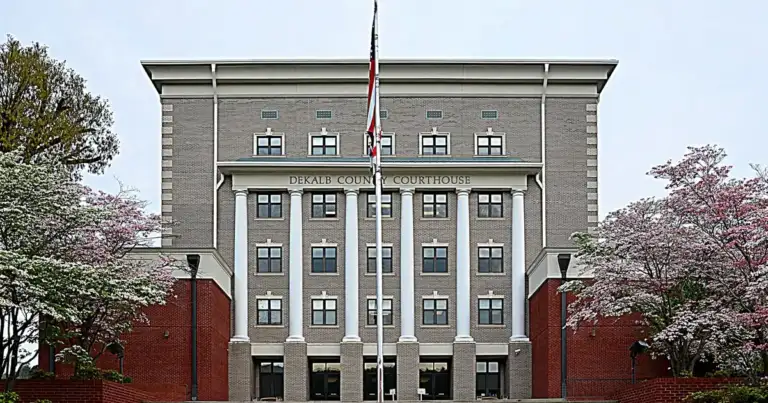

DeKalb County residents, a digital rot is eating at your peace of mind, and it’s time we faced it head-on. Your county is under attack by a relentless traffic violation scam, and while the Sheriff’s Office is doing its part with warnings, the real problem runs far deeper than a simple text message.
Since April 21st, the DeKalb County Sheriff’s Office (DCSO) has been swamped with calls from worried citizens targeted by fraudulent texts and emails. These insidious messages claim you owe an outstanding traffic ticket or court fine, threatening immediate license suspension, arrest, or worse if you don’t pay up. They come loaded with malicious links or fake phone numbers, all engineered for one purpose: to steal your personal information and drain your bank account.

The Digital Grift: How They Hook You
The scammer’s playbook is chillingly simple. You get a text out of the blue, sometimes even mimicking a government logo. It screams you owe money for some minor infraction.
Panic sets in. You click the link, or you call the number, desperate to avoid trouble. That’s exactly what these digital vultures want.
They exploit your fear of authority and your desire to avoid hassle. Let’s be crystal clear: official traffic citations arrive via postal mail or in person.
Law enforcement and courts do NOT demand immediate payment via text, email, gift cards, or crypto. Ever.
This isn’t amateur hour. These scammers are slick, professional criminals. They understand human psychology, and they know that a vague threat of “legal action” is enough to make many people drop their guard.
While the DCSO has issued an urgent public warning, the sheer volume of reports indicates that the message isn’t reaching everyone fast enough, or the fear factor is simply too strong to overcome.
Beyond the Warning: The Real Damage and Systemic Failure
The “so what” here is brutal. It’s not just about losing a few hundred bucks to a quick con. Clicking those links or giving out your info can lead to full-blown identity theft, credit nightmares, and weeks, if not months, of trying to untangle your life.
Nationally, these types of scams contribute to billions in losses every year. We’re talking about real money, taken from real people in DeKalb County, often from those who can least afford to lose it.
But there’s another insidious layer: these scams erode trust. When official-looking messages turn out to be predatory fakes, it makes people doubt all official communications. That makes it harder for legitimate agencies to reach the public with vital information, creating a dangerous cycle of skepticism and vulnerability.
Let’s cut the polite talk. The “urgent warning” from law enforcement, while absolutely necessary, is a reactive measure in a perpetually losing battle.
The real hypocrisy here isn’t just the scammers. It’s the expectation that everyday citizens, constantly bombarded by digital noise and increasingly sophisticated fraud, can always be “vigilant” enough to avoid getting fleeced.
These scammers aren’t just hitting a few gullible marks. They’re exploiting a systemic vulnerability built into our hyper-connected lives. Their financial motive is simple: easy money from targets who are either too busy, too trusting, or too afraid to verify.
What Can We Do?
Until there’s a more proactive, systemic defense against these digital predators, DeKalb County — and every other county — will remain open season for every cyber-thug with a text message and a malicious link. The onus is constantly shifted to the individual to ‘not click,’ while the criminals iterate and innovate at warp speed. It’s a game where the house always wins, and the house is run by crooks with servers offshore.
Don’t be a mark. If it smells fishy, it is. Verify everything, and remember: official business doesn’t happen through random texts demanding immediate payment.
Your money, your identity, and your peace of mind are on the line. Are we going to keep playing defense, or are we going to demand a real solution to this digital onslaught?
Source: Google News