
Washington D.C. is abuzz this evening, as it always is, with the glitter and gravitas of the White House Correspondents’ Dinner. As journalists, politicians, and luminaries from entertainment and technology converge, the event serves as a unique confluence of power, media, and celebrity. It is a night designed for reflection, humor, and a renewed commitment to the principles of a free press. Yet, beneath the veneer of celebration and amidst the heightened awareness of public safety at large gatherings, the very concept of security remains a paramount, if often unspoken, concern.
The Specter of the Unthinkable at a High-Profile Gala
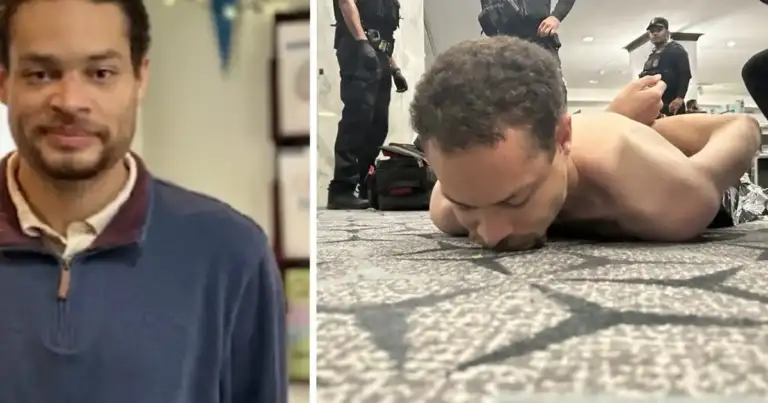
The White House Correspondents’ Dinner, occurring this year on April 26, 2026, inherently draws immense scrutiny, not only for its guest list and comedic offerings but also for the intricate security apparatus that underpins it. While specific reports of a “shooting” at this year’s event have not surfaced, the mere mention of such a scenario, as has been discussed in certain circles, immediately forces a stark reckoning. The hypothetical specter of a shooting, particularly one involving a suspect identified as a “California teacher,” casts a long shadow, prompting urgent questions about vulnerability, the unexpected nature of threats, and the layers of trust we place in individuals and institutions.
When Trust is Challenged: The California Connection
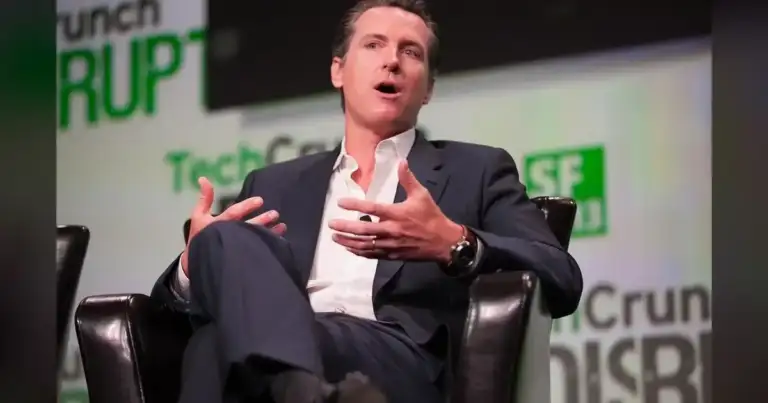
The hypothetical implication of a suspect with ties to California – specifically, a teacher from the state – adds a profound layer of complexity. California’s influence on the WHCD is consistently profound, reflecting its status as a global center for entertainment, technology, and media. A substantial contingent of attendees hails from the Golden State, from Hollywood stars to Silicon Valley moguls and prominent journalists. Governor Gavin Newsom is often a rumored guest, signifying California’s deep engagement with the national political and media landscape. Were such a grievous incident to occur, and a suspect to emerge from such a respected profession within a state so intertwined with the event, the reverberations would be felt far beyond the immediate scene.
The idea that an individual entrusted with shaping young minds could be implicated in an act of such profound violence is deeply unsettling, challenging our perceptions of safety and the very fabric of community trust.
It would force a difficult introspection, not just for the Secret Service and local law enforcement, but for California itself. The state, a leader in progressive policy, consistently grapples with its own complex relationship with gun control, public safety, and the security of its numerous large-scale events. Recent legislative efforts in California have continued to push for stricter gun safety measures and enhanced security protocols for public venues. This proactive approach, driven by a commitment to preventing potential incidents, often sets a national precedent. The hypothetical involvement of a Californian in such an act at a national event would undoubtedly intensify these debates, both within the state and across the nation.
Security in the National Spotlight: A Constant Vigilance
The underlying theme of public safety and event security is a constant consideration for organizers and law enforcement at any major gathering of prominent figures. While thankfully, no direct incident has marred this year’s dinner, the very discussion around such possibilities underscores the heightened state of alert. High-profile events like the WHCD are meticulously planned, with layers of security designed to deter and mitigate threats. Yet, the human element, both of those protecting and those potentially posing a risk, remains the most unpredictable variable.
The shadow of potential threats, though not always realized, shapes the planning and execution of gatherings that draw significant public attention. This extends from Sacramento to Los Angeles, and certainly to Washington D.C.’s premier annual media event. It is a stark reminder that in an era of heightened awareness regarding public safety, vigilance cannot waver. The ongoing national dialogue surrounding gun violence, mental health, and the security of public spaces is not merely academic; it is a critical, lived reality that infiltrates even the most celebratory of occasions.
As the evening progresses, and the last of the speeches are delivered, the true takeaway extends beyond the quips and policy discussions. It’s a moment to appreciate the peace that prevails, but also to acknowledge the invisible work of those who safeguard it. And if the unsettling prospect of an incident, even a hypothetical one, can prompt a deeper, more urgent conversation about how we protect our communities and uphold the public trust, then perhaps even its mention serves a vital, if uncomfortable, purpose.
Photo: Rolen, Sarah M. (KABC-TV)
Source: Google News