Phoenix, a city built on sunshine, was choked last Saturday, April 18, 2026, by a dense, unseasonable fog that brought its economic heart – Phoenix Sky Harbor International Airport – to a grinding, frustrating halt. Thousands were stranded, not by protest or power outage, but by a meteorological anomaly that exposed our fragile dependence on clear skies.
PHX Choked: The Real Cost of a Foggy Saturday
The Federal Aviation Administration slapped a ground stop on PHX at 10:30 AM MST. For over two brutal hours, nothing moved. No arrivals, no departures.

By the time the all-clear was given at 12:45 PM, the damage was done: 75 flights delayed, a dozen outright canceled across major carriers like Southwest, American, and Delta. Passengers reported wait times stretching past three hours, their plans shattered, their patience worn thin.
What does it mean for the average Arizonan when our primary gateway simply… stops? This wasn’t just a minor inconvenience; it showed how quickly our modern infrastructure can buckle under the most primal of forces: the weather.
PHX Director Chad Makovsky trotted out the usual line: “Passenger safety is always our top priority.” Of course it is. No one’s arguing against safety.
But what that standard corporate statement conveniently overlooks is the cascading financial hit and the silent toll. We’re talking millions of dollars in operational costs for airlines, from rerouting planes to compensating crews.
Local businesses, already reliant on the tourist and business traveler pipeline through Sky Harbor, felt the ripple directly. This wasn’t just about missing a flight to Grandma’s; it was about the engine of Arizona’s commerce sputtering in the fog, directly impacting the livelihoods of countless local businesses that rely on the constant flow of travelers.
Beyond the Official Line: What’s Really Being Done?
Arizonans are rightly asking: How often does this happen, and what exactly is being done to prevent these disruptions? The truth, as always with infrastructure and Mother Nature, is far from simple – and often inconvenient.
While April fog is unusual, PHX grapples with 5-10 significant weather-related ground stops or major delays annually. Monsoon dust storms (haboobs) and torrential rain are the usual culprits, making summer a perpetual game of atmospheric roulette.
The airport and FAA aren’t sitting idle, mind you. They’ve poured money into advanced Doppler radar and partner with the National Weather Service for hyper-local forecasts. The FAA’s NextGen air traffic control tech aims for precision.
PHX has modern runway lighting and Instrument Landing Systems (ILS) designed to guide pilots in terrible conditions. Protocols exist for managing the chaos: designated holding areas, extra customer service staff, and app alerts.
But here’s the infuriating rub: you can’t “prevent” fog or a haboob. You can only mitigate. When visibility drops below minimum safe operating standards, all the cutting-edge tech in the world takes a backseat to basic, unforgiving physics.
“Passenger safety is always our top priority,” stated Chad Makovsky, Director of Aviation Services for Phoenix Sky Harbor International Airport, in a press release issued Saturday afternoon. “We understand the frustration delays cause, and we appreciate the patience of our travelers and the hard work of our airline partners and airport staff.”
The Unseen Costs and the Perpetual Battle
The official narrative always centers on “safety first,” which is an undeniable necessity. But let’s be blunt: the real motive behind these ground stops, beyond immediate safety, is liability and financial risk avoidance for the airport and airlines.
No one wants to be on the hook for an incident in near-zero visibility. The cost of a few hours of delays, while significant, pales in comparison to the financial and reputational fallout of a major accident.
What gets conveniently glossed over is the sheer human cost to the thousands of airport ground staff and airline customer service reps who absorb the brunt of public frustration, working extended, often unpaid, hours to untangle the mess. Their unseen labor is the true shock absorber for these “unforeseen” weather events.
We build our cities in a desert, and then we’re surprised when the desert fights back. This isn’t just a weather report; it’s a stark reminder that even with all our advancements, Arizona remains tethered to the whims of its unforgiving landscape. The question isn’t if it will happen again, but when – and how much more we’ll pay, seen and unseen, for our desert dream.
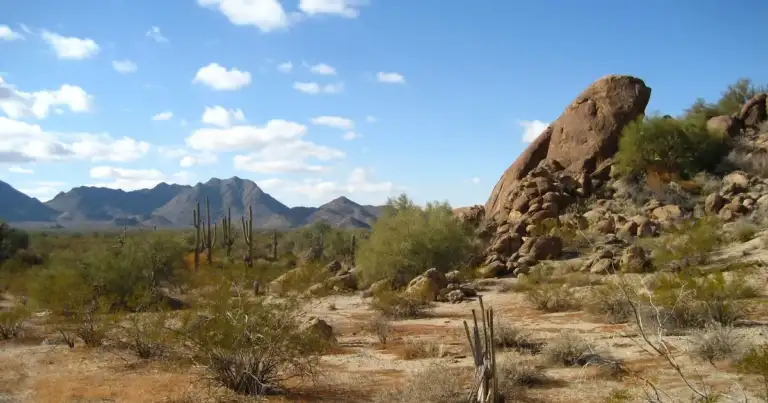
Photo: Photo by afagen on Openverse (flickr) (https://www.flickr.com/photos/51035749109@N01/2729316968)
Source: Google News