
Forget the feel-good headlines touting “no fatalities” after last Friday’s devastating tornadoes. The brutal truth for countless rural Illinois families is a story of profound loss, not relief.
Eight confirmed tornadoes, likely more, tore through central and southern parts of the state. Places like Taylorville, Shelbyville, and Effingham County were hit hard.

Here, family farms aren’t just businesses; they are generations of blood, sweat, and legacy. For far too many, that legacy now lies in splinters, ripped away in mere minutes.
The Storm’s Wake: Beyond the Clean-Up Crews and PR Wins
The National Weather Service offices in Lincoln and St. Louis are still tallying the damage. Preliminary EF ratings are being assigned, but the visuals speak for themselves.
Barns vaporized, silos twisted into abstract art, and homes reduced to rubble. Over 30,000 customers lost power Friday evening.
Five thousand are still waiting, primarily in isolated rural pockets. The mainstream media tends to forget these areas once the immediate crisis passes.
Five minor injuries were reported in Shelby County – lucky, yes. But what good is “lucky” when your livelihood is gone?
Those injuries don’t pay for a destroyed combine, a collapsed dairy barn, or a lifetime of savings invested in the land.
Governor Pritzker quickly issued a disaster proclamation for seven counties. This was a necessary move to unlock state resources.
State agencies are coordinating, and volunteer groups are pitching in. This looks good for immediate optics.
The state gets its PR win for “no fatalities” and “swift action.” But don’t let the headlines fool you.
This isn’t just about immediate rescue anymore. It’s about the relentless grind of economic recovery, which will test these towns far more than the initial storm.
The Long Road to Rebuilding Rural Illinois: A Patchwork of Pain
But let’s be blunt: a proclamation doesn’t rebuild a life. It doesn’t replace the specialized equipment needed for planting season, which is right around the corner. Sarah Jenkins, a farmer near Taylorville, summed up the devastation for a local outlet with heartbreaking clarity:
“It’s just gone. Thirty years of work, gone in minutes.”
Her sentiment echoes across hundreds of farmsteads. Insurance adjusters are on the ground, but filing a major claim is a marathon, not a sprint.
The financial burden will stretch into the tens of millions. Small towns and agricultural businesses will be hit hardest.
Many rural property owners, especially farmers, will find their insurance policies are a patchwork quilt of exclusions and insufficient coverage. This leaves them holding the bag for millions in rebuilding costs.
They’ll be left to contend with a labyrinth of state and potential federal aid. This assistance moves at a glacial pace.
Don’t expect FEMA checks to appear overnight. The wheels of bureaucracy grind notoriously slow, especially for those who need it most.
The Real Cost: A Slow, Agonizing Bleed
The “swift action” narrative masks a slow, agonizing financial bleed. These communities will endure it long after news crews have moved on.
The true, long-term cost falls squarely on the shoulders of those who can least afford it. These are the backbone communities of Illinois.
They feed our state and our nation. They deserve more than platitudes and slow-moving bureaucracy.
They deserve a system that understands the difference between a disaster declaration and actual, tangible recovery.
So, while the state pats itself on the back for avoiding fatalities, we must ask: What about the living?
What about the generations of hard work now buried under rubble? The storm may have passed, but the real fight for survival has only just begun.
This fight is for the very soul of rural Illinois. Will we stand with them, or will we let their legacy fade into the next news cycle?
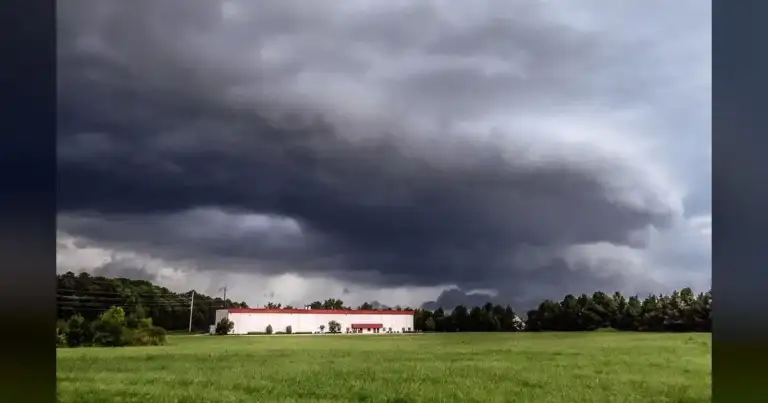
Photo: Photo by Matthew Straubmuller on Openverse (flickr) (https://www.flickr.com/photos/51344631@N06/7961911424)
Source: Google News