The numbers are in, and they’re not just staggering; they’re a full-blown economic catastrophe for Minnesota. Operation Metro Surge has single-handedly gutted between $203 million and $205 million from our state’s vibrant economic engine, according to recent court filings. This isn’t abstract accounting; it’s a brutal, direct hit to the livelihoods of our neighbors and the bedrock of our local economy.
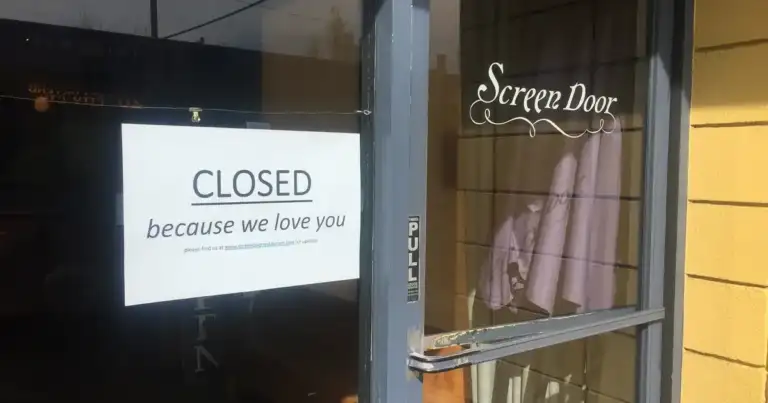
We’re staring down $47 million in lost wages, an $81 million hammer blow to small businesses, and hotel cancellations stretching well into summer. The once-familiar hum of commerce across the Twin Cities has been replaced by an unsettling, deafening silence in too many sectors.
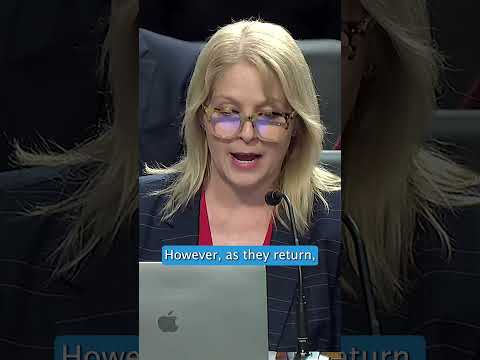
Now, Mayors Jacob Frey and Melvin Carter, along with other local leaders, are making their pilgrimage to the Capitol, practically begging for federal and state bailouts. They paint a grim picture: empty store aisles, and a devastating 65% revenue drop for Latino-owned businesses, a community hit disproportionately hard. Rep. Samakab Hussein didn’t mince words, decrying the situation as “chaos,” vividly describing a climate of terror sown by 3,000 federal agents targeting our communities.
“This chaos, this terror, from 3,000 federal agents targeting our communities, has created an economic vacuum that our local businesses simply cannot withstand,” Rep. Samakab Hussein declared, his voice echoing the frustration felt across the state.
The Minneapolis Foundation is scrambling, swamped by over a thousand pleas for emergency grants. It’s a crisis, they insist, directly attributable to aggressive federal action. But is it really that simple?
The Unseen Currents Beneath the Headlines
But scratch beneath the surface, and you find a public discourse that’s not just divided, but fractured. Online, the reaction is a polarized storm, a digital brawl.
One faction laments a “chilling effect” that has U.S.-born workers staying home, paralyzed by fear of the dragnet. The other side, less sympathetic, practically crows about an “economic cleansing,” dismissing the figures as inflated sob stories from “sanctuary-city clowns.” They sneer, asking: if these workers were truly so essential, why were their contributions to the formal economy so often obscured?
This isn’t just about economic impact; it’s about a foundational, ugly disagreement on who belongs, who contributes, and who truly builds our state.
This isn’t merely a matter of lost revenue; it’s a stark, humiliating revelation of underlying dependencies and, frankly, an unforgivable lack of strategic planning. Our local leaders now find themselves in a precarious, self-inflicted bind, demanding federal assistance while their own city payrolls balloon by $6 million.
So, where in the name of common sense was the foresight? Where was the proactive engagement, the robust strategy to safeguard our economy against such predictable, politically charged shifts? A state that prides itself on a premium market demands stability, clarity, and an unshakeable infrastructure—elements that seem to have crumbled under the slightest pressure.
Lars Lindgren’s Red Marker Verdict
Let’s be brutally honest. The “hundreds of millions” figure isn’t just a loss; it’s a potent political leverage point, skillfully deployed by every side to advance their own agendas. The mainstream narrative, caught between the wails of “chaos” and the sneers of “cleansing,” tragically misses the true financial motive at play.
Local politicians, while decrying the economic damage, are simultaneously using the crisis to justify massive bailouts and expand government spending, all while their own city payrolls swell. The federal agencies, in turn, demonstrate their reach, asserting control and shamelessly shifting the burden of economic fallout onto local communities. This isn’t about protecting the economy; it’s about power plays, resource extraction, and the age-old game of passing the buck.
The real cost to Minnesota is not just the lost dollars, but the exposed, gaping fragility of a system that allowed itself to become so dependent and then so ruthlessly politically weaponized. We, the people of Minnesota, deserve far better than to be pawns in this high-stakes, cynical game.
This situation demands more than just a clear-eyed assessment; it demands a reckoning with how Minnesota positions itself for future growth and resilience. The true premium experience in our state should include a robust, transparent economic environment, not one left vulnerable to such dramatic, politically charged swings.
It’s time to demand more than just reactive pleas for aid; we need genuine, forward-thinking strategies that secure Minnesota’s economic future, regardless of the prevailing political winds. Or are we content to simply wait for the next “surge” to gut us again?
Source: Google News