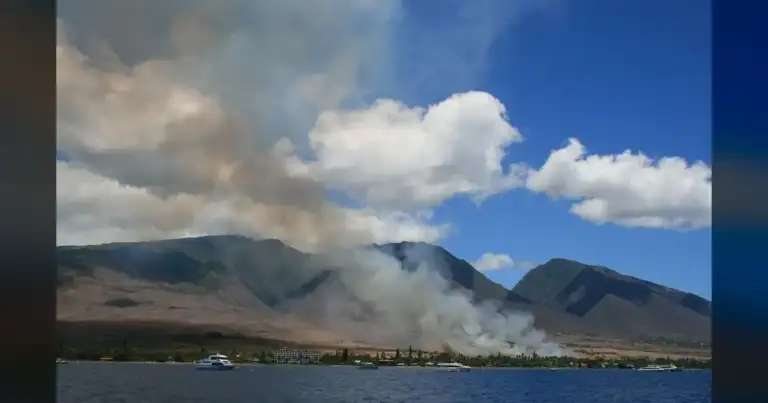

Let’s cut through the bureaucratic fog: Hawaii isn’t approaching a health emergency; we’ve been drowning in one for months, if not years. While the U.S. Department of Health and Human Services might eventually get around to stamping a formal declaration on it, the reality on the ground, especially post-Maui, has been a full-blown crisis since August 2023. The devastation of Lahaina didn’t just burn homes; it scorched the mental and physical well-being of an entire community, and the aftershocks are still rattling the islands with relentless force.
The Unseen Wounds of Lahaina
The immediate aftermath of the August 2023 wildfires was a brutal tally of lost lives and incinerated homes. But the *real* catastrophe, the one still unfolding, is the insidious erosion of mental health, the surge in substance abuse, and the chronic stress that grinds people down to their very core.
We’re talking about widespread trauma, grief, and anxiety that isn’t going away with a few feel-good press releases or token gestures.
Survivors are still displaced, locked in agonizing battles with insurance companies, and staring at empty, ash-strewn lots where their lives once thrived. Kids struggle in makeshift classrooms, families cram into temporary housing, and the vibrant sense of community that defines Hawaii has been fractured, perhaps irrevocably.
Our already fragile mental health infrastructure, a system perpetually underfunded and overwhelmed, hasn’t just stretched thin; it’s *snapped* under the immense weight of this ongoing disaster. Therapists are swamped, resources are a cruel mirage for many, and the stubborn stigma around seeking help, though slowly receding, remains a formidable barrier. This isn’t just about ‘healing’ in some abstract sense; it’s about a fundamental breakdown in the very support systems people rely on, creating an environment ripe for long-term health complications that will plague us for generations.
Federal Aid: A Trickle, Not a Flood
Sure, the feds send money. They issue carefully worded statements. But the pace of actual, impactful aid on the ground often feels like a cruel joke, a bureaucratic insult to injury.
Bureaucracy, a beast of its own making, lumbers at a glacial pace. Its complex web of applications, approvals, and regulations seems designed to ensnare and exhaust rather than to help.
Too many fall through its gaping cracks, left to fend for themselves.
A “health emergency” declaration isn’t just a label; it’s supposed to unlock critical resources and streamline processes. But if those resources aren’t getting to the people who need them most, if the processes remain clunky, frustrating, and designed for failure, then what’s the point? What good is a declaration if it doesn’t translate into immediate, tangible relief?
The ongoing health crisis isn’t some abstract problem debated in Washington D.C. It’s the families still sleeping in tents, the veterans reliving trauma with every gust of wind, the small business owners losing everything they’ve built, and the children grappling with loss they can’t possibly comprehend. It’s a compounding crisis, fed by economic instability, an acute housing shortage, and the sheer, soul-crushing exhaustion of trying to rebuild a life from ashes that refuse to settle.
When the federal government finally gets around to declaring a “health emergency” for Hawaii, don’t mistake it for a sudden awakening. This isn’t about some new, unforeseen problem. This is about the PR machine playing catch-up to a disaster that’s been festering for months. It’s about justifying sustained funding streams and preventing the optics of total abandonment. The real emergency isn’t the declaration; it’s the fact that it took this long for them to acknowledge what everyone on the ground has been screaming about since August. It’s not compassion; it’s calculated damage control for a slow-motion catastrophe that continues to unfold before our very eyes.
Photo: Photo by johnkoetsier on Openverse (flickr) (https://www.flickr.com/photos/18955080@N00/4966287216)
Source: Google News